
How to Build a Successful Career Step by Step
Building a successful career doesn’t happen overnight. It takes planning, continuous learning, determination, and the ability to adapt to changes. Whether you’re a student, recent graduate, or someone looking for a career change, having a clear roadmap can help you achieve your professional goals.
Success means different things to different people. For some, it’s earning a high salary. For others, it’s doing meaningful work, achieving work-life balance, or becoming an industry expert. No matter your definition, following the right steps will put you on the path to long-term success.
 Step 1: Discover Your Interests and Strengths
Your career should match your interests, talents, and personality.
Ask yourself:
- What activities do I enjoy?
- What subjects am I naturally good at?
- What skills do people often compliment me on?
- What type of work excites me?
Understanding yourself helps you choose a career you’ll enjoy for years.
Tip
Take career assessment tests and ask mentors or teachers for honest feedback.
Step 2: Set Clear Career Goals
Successful people know exactly what they want.
Instead of saying:
“I want a good job.”
Say:
“I want to become a software engineer within five years.”
Create:
- Short-term goals (6–12 months)
- Medium-term goals (2–5 years)
- Long-term goals (5–10 years)
Goals provide direction and motivation.
Step 3: Get the Right Education
Education provides the foundation for your career.
Depending on your chosen field, this may include:
- College or university degrees
- Technical or vocational training
- Professional certifications
- Online courses
- Workshops and seminars
Learning never stops.
Step 4: Develop Valuable Skills
Employers value skills as much as qualifications.
Hard Skills
Examples include:
- Programming
- Graphic design
- Accounting
- Data analysis
- Writing
- Digital marketing
Soft Skills
These include:
- Communication
- Leadership
- Problem-solving
- Teamwork
- Time management
- Critical thinking
- Emotional intelligence
The combination of both makes you highly employable.
Step 5: Gain Practical Experience
Experience teaches lessons that classrooms cannot.
Ways to gain experience include:
- Internships
- Volunteering
- Freelancing
- Part-time jobs
- Personal projects
- Apprenticeships
Every experience builds confidence and improves your resume.
Step 6: Build a Professional Network
Your network can create opportunities that qualifications alone cannot.
Network by:
- Attending industry events
- Joining professional groups
- Connecting with professionals online
- Participating in workshops
- Volunteering at events
Remember:
People hire people they know and trust.
Step 7: Create a Strong Personal Brand
Your reputation matters.
Build your personal brand by:
- Being professional
- Keeping your promises
- Sharing valuable knowledge
- Maintaining a positive online presence
- Creating a quality portfolio
- Staying active on professional platforms
A strong personal brand attracts opportunities.
Step 8: Master Communication Skills
Good communication can accelerate your career.
Improve your:
- Speaking
- Writing
- Listening
- Presentation skills
- Public speaking
- Negotiation
Clear communication builds trust and leadership.
Step 9: Find a Mentor
A mentor has already traveled the road you’re beginning.
A mentor can:
- Give career advice
- Help avoid common mistakes
- Introduce you to opportunities
- Encourage your growth
- Share industry insights
Learning from experienced professionals saves time.
Step 10: Stay Consistent
Career success is built daily.
Practice consistency by:
- Completing tasks on time
- Showing up prepared
- Maintaining discipline
- Continuously improving
Small daily improvements create big long-term results.
Step 11: Keep Learning
Industries change rapidly.
Stay updated through:
- Books
- Podcasts
- Online courses
- Industry blogs
- Conferences
- Certifications
Lifelong learners remain valuable.
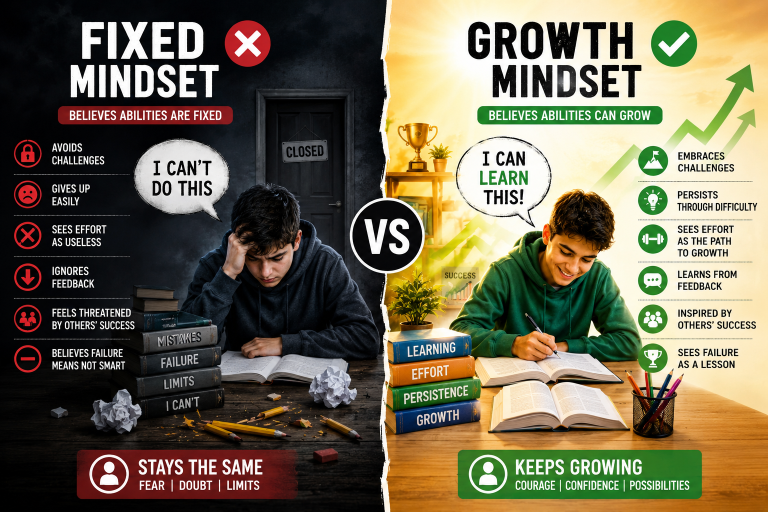
Step 12: Embrace Challenges
Growth happens outside your comfort zone.
Instead of avoiding difficult tasks:
- Volunteer for new responsibilities
- Learn unfamiliar skills
- Accept constructive criticism
- Solve bigger problems
Challenges develop confidence and leadership.
Step 13: Manage Your Time Wisely
Time is one of your greatest career assets.
Use techniques such as:
- Prioritizing important tasks
- Creating daily schedules
- Avoiding procrastination
- Limiting distractions
- Setting deadlines
Effective time management increases productivity.
Step 14: Build Financial Discipline
Career success isn’t only about earning more—it’s also about managing money wisely.
Develop habits like:
- Creating a budget
- Saving consistently
- Building an emergency fund
- Investing for the future
- Avoiding unnecessary debt
Financial stability gives you greater career flexibility and peace of mind.
Step 15: Review and Adjust Your Career Plan
Your goals may change as you gain experience.
At least once a year:
- Review your achievements
- Identify new opportunities
- Learn new skills
- Update your resume and portfolio
- Set fresh career goals
Regular reflection keeps your career moving in the right direction.
Common Mistakes to Avoid
- Waiting for opportunities instead of creating them
- Ignoring networking
- Resisting change
- Giving up after setbacks
- Neglecting soft skills
- Failing to keep learning
- Staying in an unfulfilling role without a plan
- Having no clear career goals
Benefits of Building a Successful Career
When you intentionally develop your career, you can enjoy:
- Higher earning potential
- Better job security
- Increased confidence
- Professional recognition
- Personal fulfillment
- Greater opportunities for promotion
- Improved work-life balance
- A lasting positive impact in your field

final thought
A successful career is built through intentional choices, continuous learning, and consistent effort. Focus on developing your skills, building meaningful relationships, embracing challenges, and staying committed to your goals. Success may take time, but every small step moves you closer to the career you envision.
Remember, careers are marathons—not sprints. Stay patient, keep learning, and continue growing. With determination and the right mindset, you can create a rewarding and successful professional life.