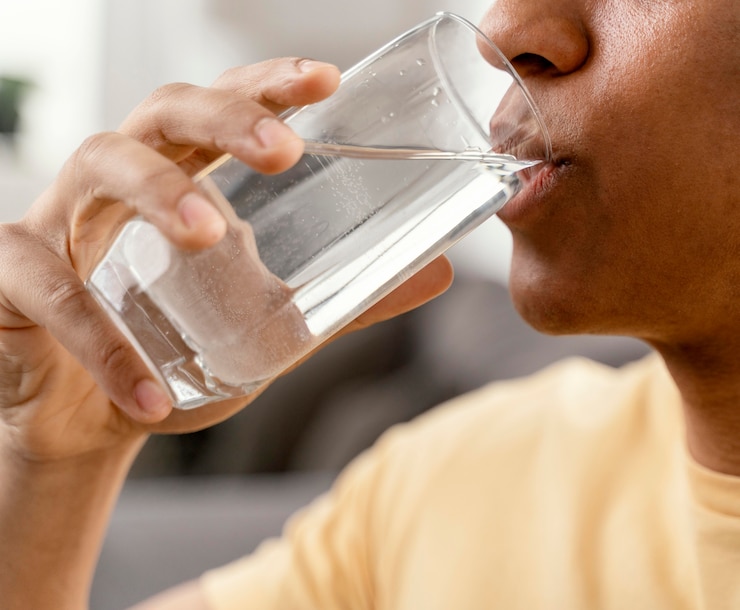
Water is often referred to as the essence of life, and for good reason. Hydration plays a fundamental role in our overall health, impacting everything from our energy levels to cognitive function. Despite its importance, many people underestimate the need to stay properly hydrated throughout the day.
This article will explore why hydration is crucial for your health and provide practical tips to ensure you’re drinking enough water.
The Vital Role of Water in Your Body
Water makes up approximately 60% of the human body, highlighting its significance in maintaining vital bodily functions. It is involved in nearly every process, including regulating body temperature, aiding digestion, and transporting nutrients to cells. Hydration is also essential for the elimination of waste products through urination, perspiration, and bowel movements.
When you are well-hydrated, your body functions more efficiently. Water acts as a lubricant for your joints, cushions your organs and tissues, and helps maintain healthy skin. Additionally, hydration plays a critical role in cognitive performance. Even mild dehydration can lead to decreased concentration, memory issues, and mood swings.
How Much Water Do You Really Need?
The common recommendation is to drink eight 8-ounce glasses of water a day, also known as the “8×8 rule.” However, individual water needs can vary based on factors such as age, weight, activity level, and environmental conditions. For example, someone who exercises regularly or lives in a hot climate may require more water to stay hydrated.
A more personalized approach to hydration is to listen to your body. Thirst is a natural indicator that your body needs water. Additionally, the color of your urine can be a useful guide; pale yellow or clear urine typically indicates proper hydration, while darker urine may suggest that you need to drink more water.
The Benefits of Staying Hydrated
Maintaining proper hydration levels offers a myriad of health benefits. Some of the most notable include:
Enhanced Physical Performance: Dehydration can significantly impair physical performance, leading to fatigue, reduced endurance, and muscle cramps. Staying hydrated ensures that your muscles receive adequate oxygen and nutrients, allowing you to perform at your best.
Improved Cognitive Function: As mentioned earlier, dehydration can negatively impact cognitive abilities. Drinking enough water helps keep your brain sharp, improving focus, memory, and overall mental clarity.
Healthy Digestion: Water is essential for digestion, as it helps break down food and absorb nutrients. It also prevents constipation by softening stools and promoting regular bowel movements.
Weight Management: Drinking water can aid in weight management by promoting feelings of fullness and reducing the likelihood of overeating. Sometimes, the body can mistake thirst for hunger, leading to unnecessary snacking.
Detoxification: Proper hydration supports the kidneys in filtering out toxins and waste products from the bloodstream, keeping your body clean and functioning optimally.
Best Practices for Staying Hydrated
Ensuring you stay hydrated doesn’t have to be complicated. Here are some practical tips to help you maintain optimal hydration levels throughout the day:
Carry a Water Bottle: Having a reusable water bottle with you at all times makes it easier to drink water regularly. It serves as a constant reminder to stay hydrated.
Infuse Your Water: If plain water feels boring, try adding natural flavors like lemon, cucumber, or mint. Infused water can make hydration more enjoyable and encourage you to drink more.
Set Hydration Goals: Establishing daily water intake goals can help you stay on track. There are various apps and smart water bottles available that can track your water consumption and send reminders to drink more.
Eat Water-Rich Foods: Incorporate fruits and vegetables with high water content into your diet, such as watermelon, cucumbers, oranges, and strawberries. These foods contribute to your overall hydration.
Drink Water Before Meals: Having a glass of water before meals can not only help with hydration but also aid in digestion and prevent overeating.
Special Considerations for Active Individuals
For those who lead an active lifestyle, hydration is even more critical. During exercise, the body loses water through sweat, and it’s important to replenish these losses to maintain performance and avoid dehydration. In addition to drinking water, consider consuming electrolyte-rich beverages if you’re engaging in prolonged or intense physical activity. Electrolytes, such as sodium and potassium, help maintain fluid balance and prevent cramps.
LadaUp
Hydration is a simple yet powerful way to support your overall health and well-being. By understanding the importance of staying hydrated and implementing the best practices, you can ensure your body and mind function optimally. Whether you’re looking to boost your physical performance, enhance cognitive function, or simply feel your best, staying properly hydrated is key. Make hydration a priority, and your body will thank you for it