Every business owner faces it at some point. One month sales are flowing, customers are calling, and money is moving. The next month feels dry. Phones go quiet. Orders reduce. You start checking your messages again and again, hoping to see a new customer inquiry. This is the reality of business, especially in today’s economy.
Slow sales do not mean your business is failing. They simply mean you are in a season that requires patience, strategy, and adjustment. In Ghana, slow sales happen often. It can be caused by the economy, school reopening, festive seasons ending, fuel prices, inflation, or even weather. Many businesses collapse not because they are bad, but because the owner panics when sales slow down.
This article is written to help you stay strong during slow sales. It explains why slow sales happen, what mistakes to avoid, and how to keep your business alive until things pick up again. If you are currently struggling or want to prepare for the future, this guide will help you think clearly and act wisely.
Understanding Why Slow Sales Happen
Slow sales are part of the business cycle. No business grows in a straight line forever. There are seasons of abundance and seasons of slowdown. In Ghana, these seasons are very clear. After Christmas, many businesses struggle. During school reopening, parents focus on fees and supplies instead of extra spending. When fuel prices go up, transport and food costs affect customer spending power.
Sometimes slow sales are external and beyond your control. Other times, they are internal. Poor marketing, lack of visibility, bad customer service, or outdated products can all contribute to slow sales. The key is to understand that slow sales are not a personal failure. They are signals telling you to pause, reflect, and adjust.
When business owners understand this, they stop making emotional decisions. Panic causes people to quit too early, sell assets cheaply, or abandon a business that only needs small changes.
Why Panic Is the Biggest Enemy During Slow Sales
When sales slow down, fear enters the mind. Bills are waiting. Rent is due. Suppliers are calling. The pressure is real. But panic leads to bad decisions. Some business owners reduce quality just to save money. Others increase prices without value, pushing customers away. Some stop marketing completely, thinking it saves money, when it actually kills visibility.
Slow sales require calm thinking. This is the time to manage emotions before managing money. Businesses that survive slow seasons are owned by people who stay level-headed. They accept the situation and focus on solutions instead of complaints.
Staying calm allows you to see opportunities hidden inside slow sales. It gives you time to fix mistakes, build systems, and prepare for growth.
Managing Cash Flow When Sales Are Low
Cash flow is the heartbeat of any business. When sales slow down, cash flow becomes even more important. Many businesses in Ghana collapse because money coming in can no longer support money going out.
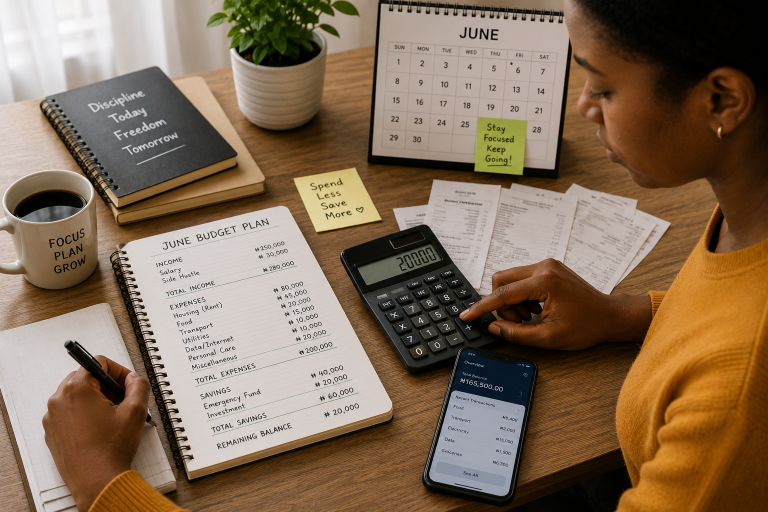
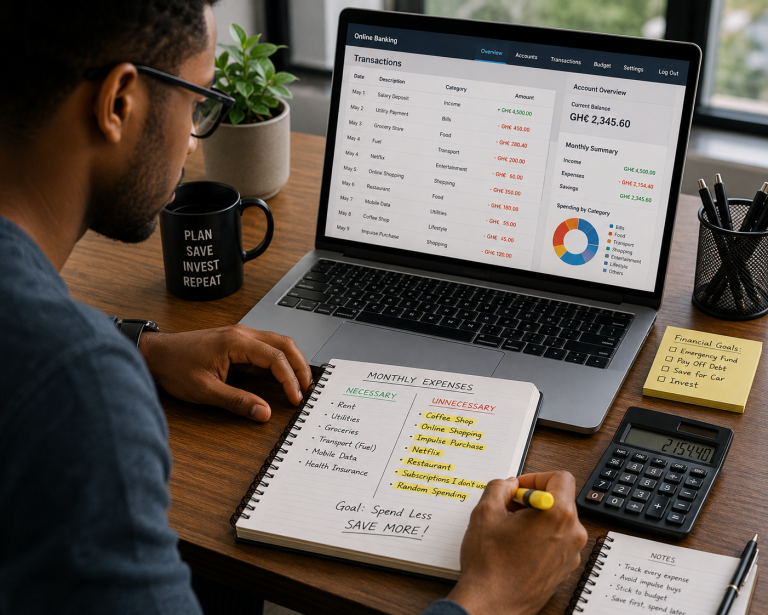
During slow sales, smart business owners cut unnecessary expenses without destroying the business. They delay non-essential purchases and focus only on what keeps the business running. This does not mean shutting down operations. It means being intentional with spending.
Separating business money from personal money is critical here. When business funds are mixed with personal expenses, slow sales become more painful. Clear boundaries help you see the real situation and plan properly.
Keeping Customers Close During Slow Sales
One mistake many business owners make during slow sales is disappearing. They stop posting online. They stop following up with customers. They withdraw emotionally. This pushes customers further away.
Slow sales are the best time to reconnect with your customers. Reach out to old clients, ask how they are doing, and remind them that your business still exists. Not every conversation will lead to a sale, but every conversation keeps your brand alive.
Customers are more likely to buy from businesses they feel connected to. When sales are slow, relationships become your strongest asset.
Improving Customer Experience Instead of Chasing New Customers
When sales slow down, many businesses rush to find new customers. While growth is important, improving the experience of existing customers is often more effective.
Happy customers return and refer others. Improving how you respond to messages, deliver products, and handle complaints can increase repeat sales even during slow periods. Customer trust becomes a steady source of income when random sales are not coming in.
In Ghana, word of mouth is powerful. One satisfied customer can keep a business alive during slow sales simply by recommending it to friends and family.
Using Slow Sales as a Learning Season
Slow sales give you time. Time to analyze, learn, and improve. When business is busy, owners rarely stop to reflect. When things slow down, reflection becomes possible.
This is the season to review pricing, packaging, branding, and communication. Ask yourself honest questions. Are customers confused about your product? Is your pricing realistic? Does your business look trustworthy online?
Learning during slow sales prepares you for the next growth phase. Businesses that use slow periods wisely come back stronger.
Staying Visible Even When Money Is Tight
Visibility keeps businesses alive. When sales slow down, visibility becomes even more important. Many people stop marketing during slow sales, thinking it saves money. In reality, it makes recovery harder.
Visibility does not always require money. Social media posts, WhatsApp status updates, customer engagement, and storytelling all keep your brand present in people’s minds. When customers are ready to buy again, they remember the brands they kept seeing.
Slow sales should reduce noise, not silence your business completely.
Adjusting Offers Without Losing Value
Discounts can help during slow sales, but they must be used wisely. Constant price cuts can make customers doubt your value. Instead of cheapening your product, add value.
This could mean offering better service, flexible payment options, or small bonuses. Customers respond better to value than desperation. The goal is to stay attractive without destroying your brand image.
Smart adjustments help businesses survive slow sales while protecting long-term reputation.
Diversifying Income Streams Slowly
One reason slow sales hurt badly is dependence on one income source. When that source dries up, everything stops. Diversifying income does not mean abandoning your main business. It means creating small support streams.
A fashion seller can add styling services. A food vendor can offer delivery or catering. A service provider can create digital products or training. These additions do not need to be big. They simply reduce pressure during slow sales.
Diversification brings balance and stability over time.
Protecting Your Mental Health as a Business Owner
Slow sales affect the mind as much as the bank account. Stress, self-doubt, and anxiety are common. Many business owners suffer silently because they feel pressure to appear strong.
Taking care of your mental health during slow sales is essential. Rest, reflection, and honest conversations help prevent burnout. A tired and broken mind cannot build a strong business.
Remember that your business is part of your life, not your entire identity. Slow sales do not define your worth or intelligence.
Learning From Businesses That Survived Slow Sales
Many successful businesses today survived long seasons of slow sales. They stayed consistent, improved gradually, and refused to quit. Their stories show that slow sales are temporary, but quitting makes failure permanent.
In Ghana, many well-known brands started small and struggled for years before becoming stable. What kept them going was resilience, not luck.
Studying these stories builds confidence and patience.
Preparing for the Next Busy Season
Slow sales will not last forever. When business improves, preparation matters. Businesses that survive slow periods without learning often repeat the same mistakes.
Use this time to build systems, save small profits, and plan ahead. Preparation turns recovery into growth. Businesses that prepare during slow sales grow faster when demand returns.
The Role of Faith, Patience, and Discipline
For many business owners, faith and discipline provide strength during slow sales. Believing in your vision, staying patient, and maintaining discipline separate survivors from quitters.
Slow sales test character more than skill. Those who endure grow wiser and stronger.
Final Thoughts
Slow sales are not the end of your business story. They are chapters that teach resilience, strategy, and maturity. Businesses fail when owners panic, withdraw, or give up too soon.
Keeping your business going during slow sales requires calm thinking, customer connection, visibility, learning, and patience. When handled well, slow sales become preparation for future success.
Your business does not need perfect conditions to survive. It needs commitment, adaptability, and belief. Stay present. Stay learning. Stay consistent. Sales will rise again.