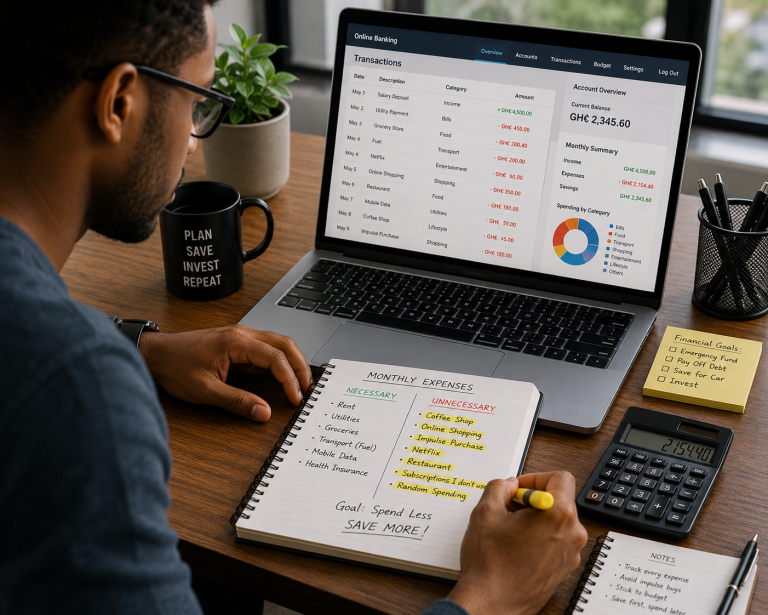
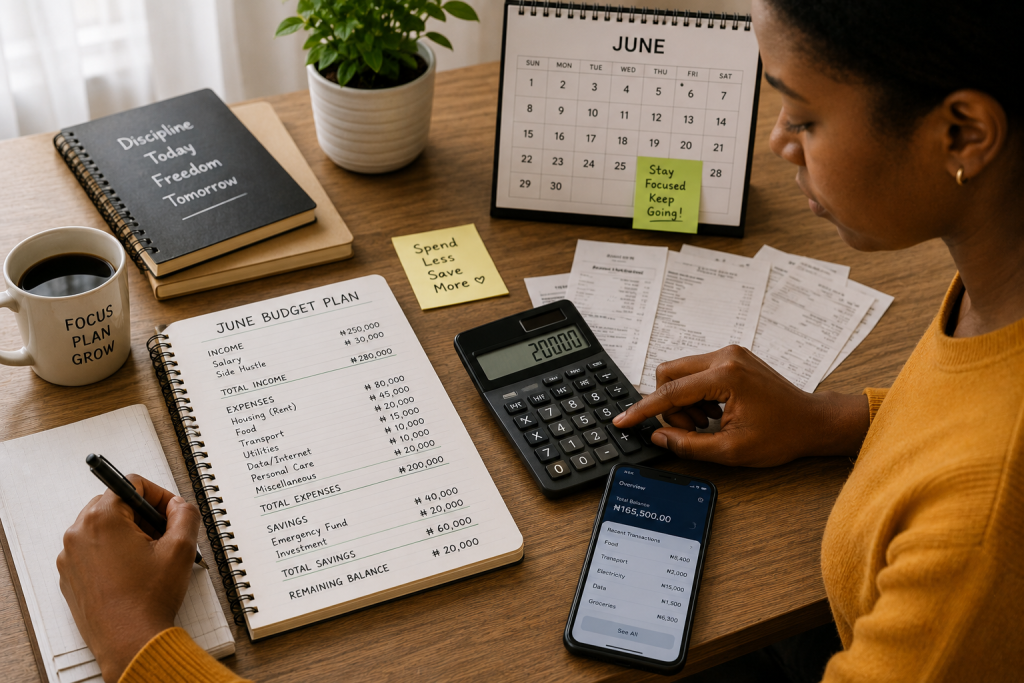
June is a good time to pause and look at your money again.
By this time of the year, many people already know whether their financial habits are working or not. Maybe you started the year with plans to save more money, reduce unnecessary spending, pay off debt, start a side hustle, or manage your salary better. But somehow, expenses came in, emergencies happened, and old habits returned.
If that sounds like you, you are not alone.
The good thing is that June gives you a chance to reset before the year goes too far. You do not need to wait until January to take your finances seriously again. You can use this month to review what has been happening, correct your money mistakes, and prepare better for the rest of the year.
A financial reset does not mean you must suddenly become rich. It means you are taking back control. It means you are ready to know where your money is going, reduce waste, save what you can, and make better decisions moving forward.
If your finances have been stressful, confusing, or disorganized, this guide will help you reset your finances in June and build better money habits for the months ahead.
What Does It Mean to Reset Your Finances?
To reset your finances means to pause, review your money situation, and make a fresh plan.
It is like cleaning your room after things have become scattered. You look at what is working, what is not working, what needs to stop, and what needs to improve.
When you reset your finances, you check your income, expenses, savings, debts, spending habits, and financial goals. You also decide what changes you need to make so that your money can serve you better.
A financial reset is not about perfection. It is about awareness and action.
You may not have a lot of money right now, but you can still manage what you have wisely. You may not be able to save huge amounts, but you can start with something small. You may not clear all your debts immediately, but you can create a plan and stop making the situation worse.
The goal is to move from confusion to clarity.
Start by Reviewing Your Current Money Situation
Before you can reset your finances, you need to know where you stand.
Many people feel broke or stressed about money, but they do not sit down to check the real numbers. They know money comes in and goes out, but they cannot clearly explain where it went.
This is one of the first things to fix.
Take a notebook, your phone, or a simple spreadsheet and write down your current financial situation. Start with your income. How much money do you receive every month? This may include salary, business income, side hustle income, allowances, commissions, or any other regular money you receive.
Then write down your expenses. Include rent, food, transport, utilities, data, school fees, debt payments, family support, subscriptions, personal care, and other spending.
After that, check your savings. Do you have any money saved? How much? Is it easy for you to access in case of an emergency?
Also check your debts if you have any. Who do you owe? How much do you owe? When are you expected to pay? Are you paying interest?
This step may feel uncomfortable, especially if your finances are not where you want them to be. But it is necessary. You cannot fix what you refuse to face.
Look at Where Your Money Has Been Going
After checking your income and expenses, the next step is to look at your spending habits.
Sometimes the problem is not that we earn nothing. The problem is that we do not know how the little we earn disappears. Small daily expenses can quietly add up and affect your money more than you realize.
Think about your spending in the past few months. What do you spend money on most? Are you spending too much on food outside? Are you buying things you do not really need? Are subscriptions taking money from your account every month? Are you always sending money without planning? Are you spending because of pressure from friends, family, or social media?
This is not about judging yourself. It is about understanding your pattern.
When you know where your money is going, you can make better choices. You may realize that cutting down on small but frequent expenses can free up money for savings, debt payment, or something more important.
A good June financial reset should help you identify the habits that are draining your money.
Create a Simple June Budget
A budget is one of the most important tools for resetting your finances.
Many people avoid budgeting because they think it is complicated. But a budget does not have to be difficult. It is simply a plan for how you will use your money.
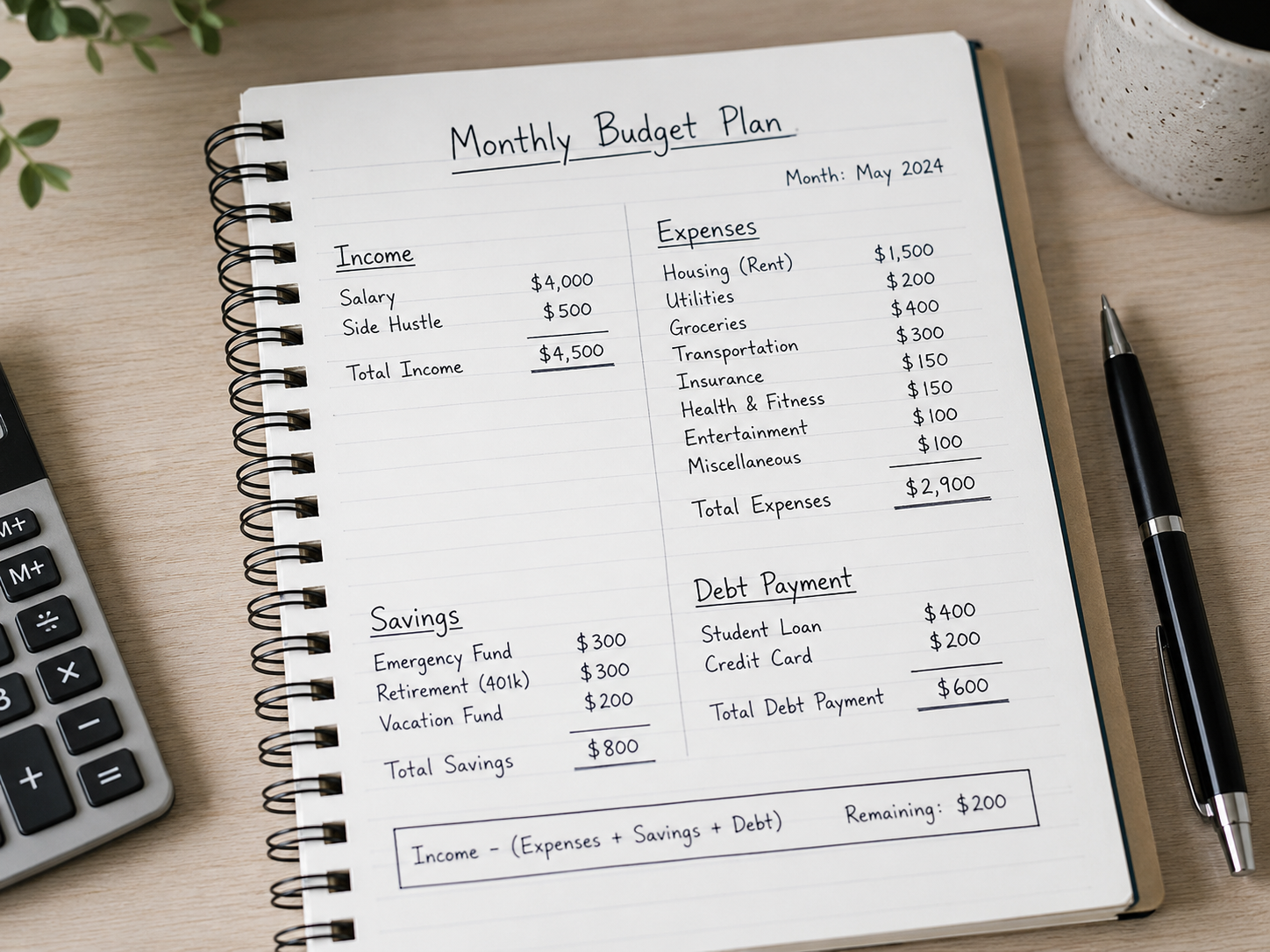
Your budget should show your income, important expenses, savings, debt payments, and personal spending. The goal is to make sure your money has direction before you spend it.
Start with your income for the month. Then list your most important expenses first. These may include rent, food, transport, bills, school fees, and debt payments. After that, decide how much you can save, even if it is small. Then set aside a reasonable amount for personal needs.
The mistake many people make is that they spend first and try to save what remains. But often, nothing remains. A better habit is to decide your savings amount early, then manage the rest of your money around your needs.
Your budget should be realistic. Do not create a budget that looks good on paper but is impossible to follow. If your income is small, be honest about it. If your expenses are high, look for where you can reduce them.
A simple budget you can follow is better than a perfect budget you will abandon.
Cut Down on Unnecessary Spending
One of the easiest ways to reset your finances in June is to reduce unnecessary spending.
This does not mean you should stop enjoying life. It means you should become more intentional about what you buy.
Before spending money, ask yourself: Do I really need this? Can it wait? Is there a cheaper option? Am I buying this because I need it or because I am under pressure? Will this spending help me or hurt my financial goals?
These questions can save you from many poor money decisions.
Unnecessary spending can come in many forms. It may be impulse buying, eating out too often, buying clothes you do not need, subscribing to services you do not use, overspending on entertainment, or trying to impress people.
You do not have to cut everything at once. Start with one or two areas.
For example, you can decide to reduce eating out, limit impulse purchases, cancel unused subscriptions, plan your transport better, or stop buying things just because they are trending.
The money you save from reducing waste can go into savings, debt repayment, or a useful investment in yourself, such as learning a new skill.
Start or Rebuild Your Emergency Fund
An emergency fund is money you set aside for unexpected situations.
Life can be unpredictable. A medical bill, job loss, urgent family need, phone repair, transport emergency, or sudden expense can happen at any time. Without emergency savings, you may be forced to borrow money or use money meant for important bills.
Your emergency fund does not have to be big at the beginning. Start small.
If you can save a little every week or every month, do it. The important thing is to build the habit. Over time, small savings can become helpful.
For example, if your income is tight, you can start by saving a small fixed amount every week. If your income is more stable, you can aim to save a percentage of your monthly income.
Keep your emergency fund separate from your daily spending money. If it is mixed with your normal money, you may spend it without realizing it.
An emergency fund gives you peace of mind. It helps you handle unexpected situations without destroying your entire financial plan.
Review Your Debts and Make a Payment Plan
If you owe money, June is a good time to review your debts.
Debt can become stressful when you ignore it. The longer you avoid it, the more pressure it can create. But when you face it and create a plan, you begin to regain control.
Write down all the debts you owe. Include the amount, the person or institution you owe, the payment date, and whether there is interest involved.
After that, decide how much you can pay each month. If you owe multiple debts, you can start by paying the most urgent one first or the one with the highest pressure. If you are behind on payments, communicate honestly with the person or institution involved and try to agree on a realistic payment plan.
Avoid borrowing more money to maintain a lifestyle you cannot afford. Also avoid using loans for unnecessary spending.
Debt is not always bad, but unmanaged debt can slow your progress and keep you under pressure. A financial reset should help you reduce that pressure step by step.
Set New Money Goals for the Rest of the Year
After reviewing your income, expenses, savings, and debts, set new money goals for the rest of the year.
Your goals should be clear and realistic.
Instead of saying, “I want to save money,” say, “I want to save a specific amount by December.” Instead of saying, “I want to stop wasting money,” say, “I will reduce impulse buying and track my spending every week.” Instead of saying, “I want to make more money,” say, “I will start a side hustle or learn a skill that can increase my income.”
Good money goals give you direction.
Your goals may include building an emergency fund, saving for school fees, paying off debt, reducing unnecessary spending, increasing your income, starting a side hustle, buying an important item, or supporting your family better without hurting your own finances.
Do not set too many money goals at once. Choose the most important ones and focus on them.
When your goals are clear, your spending choices become easier. You will know what to say yes to and what to say no to.
Find Ways to Increase Your Income
Sometimes budgeting alone is not enough. If your income is too small to cover your basic needs, you may also need to think about increasing your income.
This does not mean you should chase every opportunity blindly. It means you should look for practical ways to earn more based on your skills, time, and resources.
You can consider a side hustle, freelance work, selling a product, offering a service, learning a digital skill, taking extra work, or improving your career so you can qualify for better-paying opportunities.
The best income ideas are usually connected to something people need and something you can do well or learn to do well.
For example, you can learn skills like graphic design, writing, social media management, website management, sales, photography, video editing, tutoring, baking, hair styling, or any service people around you are willing to pay for.
Increasing your income may take time, but it can change your financial situation if you stay consistent.
Track Your Spending Every Week
A monthly budget is good, but weekly tracking makes it stronger.
At the end of every week in June, check how much you spent and compare it with your budget. Did you overspend? Did you save what you planned to save? Did an unexpected expense come up? What can you do better next week?
This weekly review helps you catch mistakes early.
If you wait until the end of the month, you may realize too late that your money is gone. But when you check weekly, you can adjust quickly.
Tracking your spending also helps you become more aware. You begin to notice patterns. You may realize that weekends make you overspend, or that small mobile money transactions add up, or that unplanned purchases are affecting your savings.
Awareness is powerful. Once you know your pattern, you can improve it.
Avoid Comparing Your Finances to Others
One major reason people make poor money decisions is comparison.
You may see someone buying a new phone, wearing expensive clothes, travelling, eating at nice places, or posting a comfortable lifestyle online. If you are not careful, you may start feeling behind and spend money you do not have just to feel equal.
But everyone’s financial journey is different.
Some people have support you do not see. Some people are in debt. Some people are earning more. Some people are pretending. And some people are simply at a different stage of life.
Your goal is not to compete with others. Your goal is to manage your money wisely and build a better future for yourself.
A financial reset requires honesty. You must know what you can afford and what you cannot afford. There is no shame in living within your means.
Peace of mind is better than pretending to be financially okay.
Prepare for July Before June Ends
A good financial reset does not end in June. It should prepare you for July and the rest of the year.
Before June ends, review your progress. Did you follow your budget? Did you reduce unnecessary spending? Did you save something? Did you pay part of your debt? Did you learn anything about your money habits?
Use what you learn to plan July better.
If your June budget did not work, adjust it. If you overspent in one area, reduce it next month. If you saved less than expected, try again. If an emergency affected your plan, rebuild slowly.
Financial growth is not about getting everything right immediately. It is about improving month by month.
The more you review and adjust, the better you become at managing your money.
Final Thoughts
Resetting your finances in June is one of the best decisions you can make for the rest of the year.
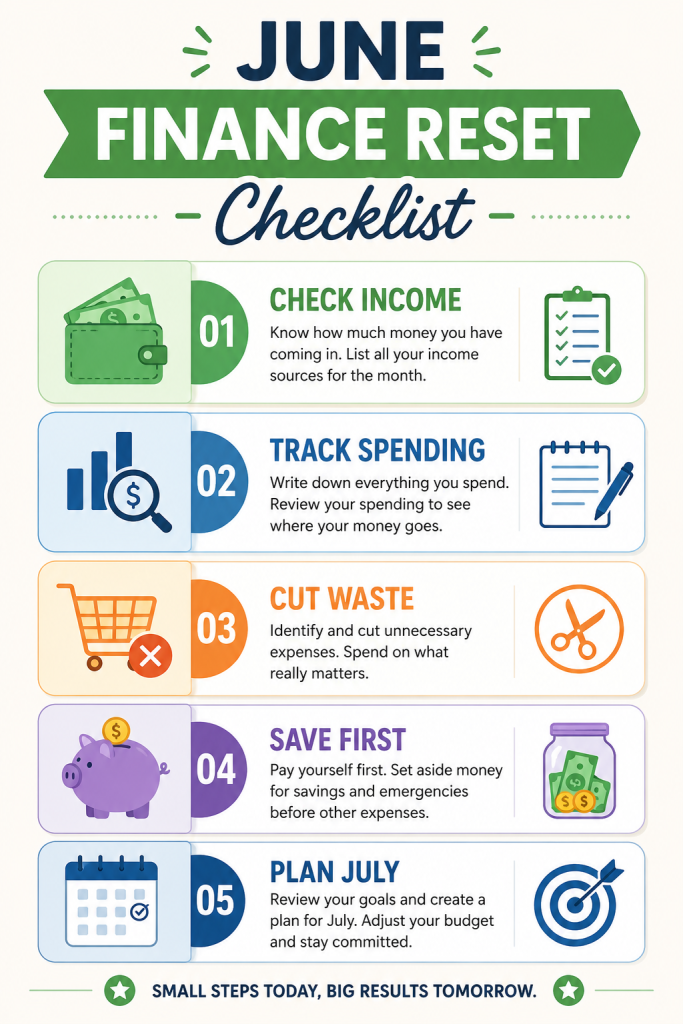
You may not be where you want to be financially, but you can start making better choices from today. You can review your income, track your spending, create a simple budget, reduce waste, build savings, manage debt, and set new money goals.
Do not wait until your finances become perfect before you take action. Start with what you have.
Even small changes can make a big difference when you stay consistent. Saving a little, spending wisely, avoiding unnecessary debt, and planning your money can help you feel more in control.
June can become the month you stop ignoring your finances and start building better money habits.
Your financial reset begins with one honest step: look at your money clearly, then make a better plan.