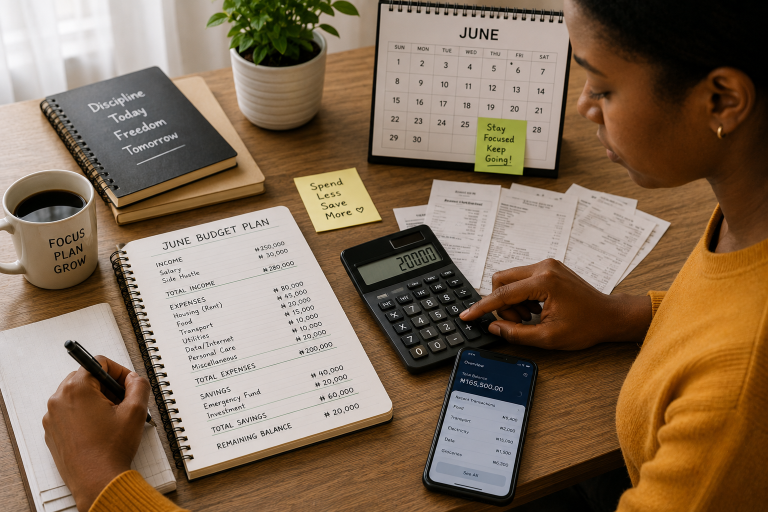
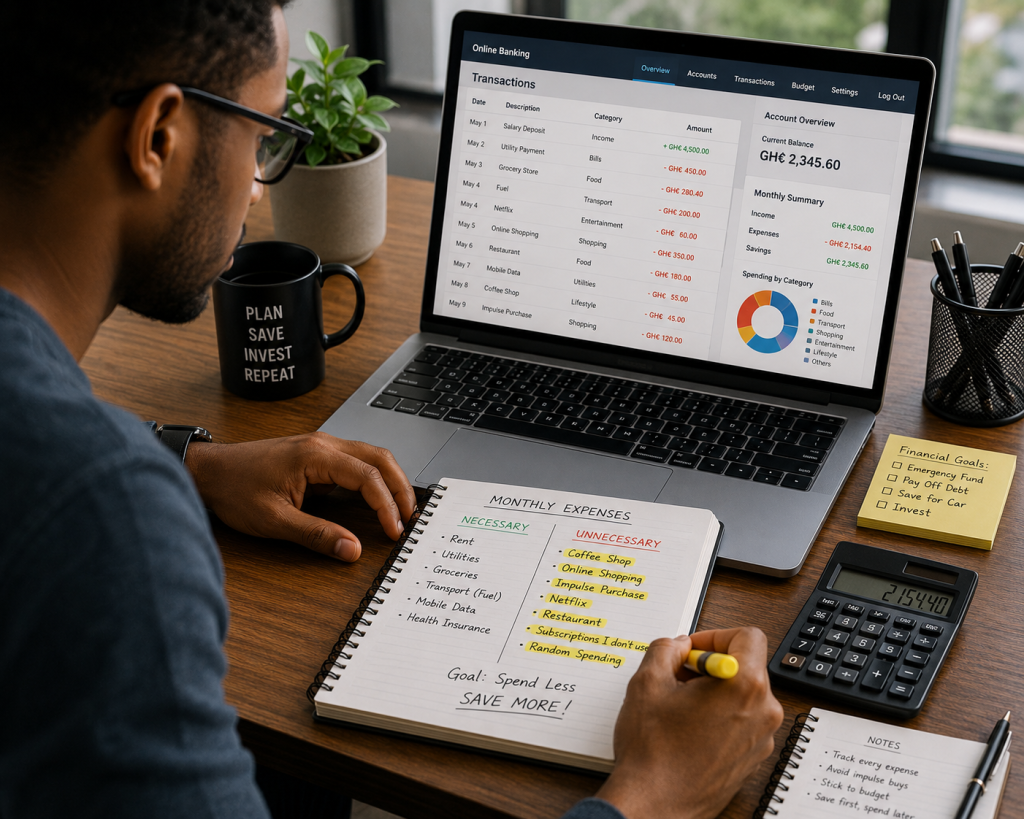
How tostop wasting money every month many people earn a decent income but still struggle to save because small, unnecessary expenses quietly drain their finances. Daily spending habits often seem harmless at the time, but over weeks and months they can add up to significant amounts of money.
The truth is that wasting money is usually not caused by one large purchase. Instead, it happens through repeated spending decisions that provide little long-term value.
The good news is that you do not need to earn more money to improve your finances. In many cases, you simply need to become more intentional with the money you already have.
By identifying spending leaks and developing better financial habits, you can save more, reduce stress, and make faster progress toward your financial goals.
Why Most People Waste Money
Money is often wasted because of:
- Impulse purchases
- Poor budgeting
- Lack of financial goals
- Emotional spending
- Convenience spending
- Untracked expenses
- Lifestyle inflation
Many people spend without realizing how much their habits are costing them.
The first step toward improving your finances is becoming aware of where your money is going.
Track Every Expense
You cannot fix a problem you cannot see.
For one month, track every expense.
This includes:
- Food
- Transportation
- Mobile data
- Entertainment
- Online purchases
- Snacks
- Subscriptions
Many people are surprised when they discover how much money disappears through small daily purchases.
Tracking creates awareness and helps identify unnecessary spending.

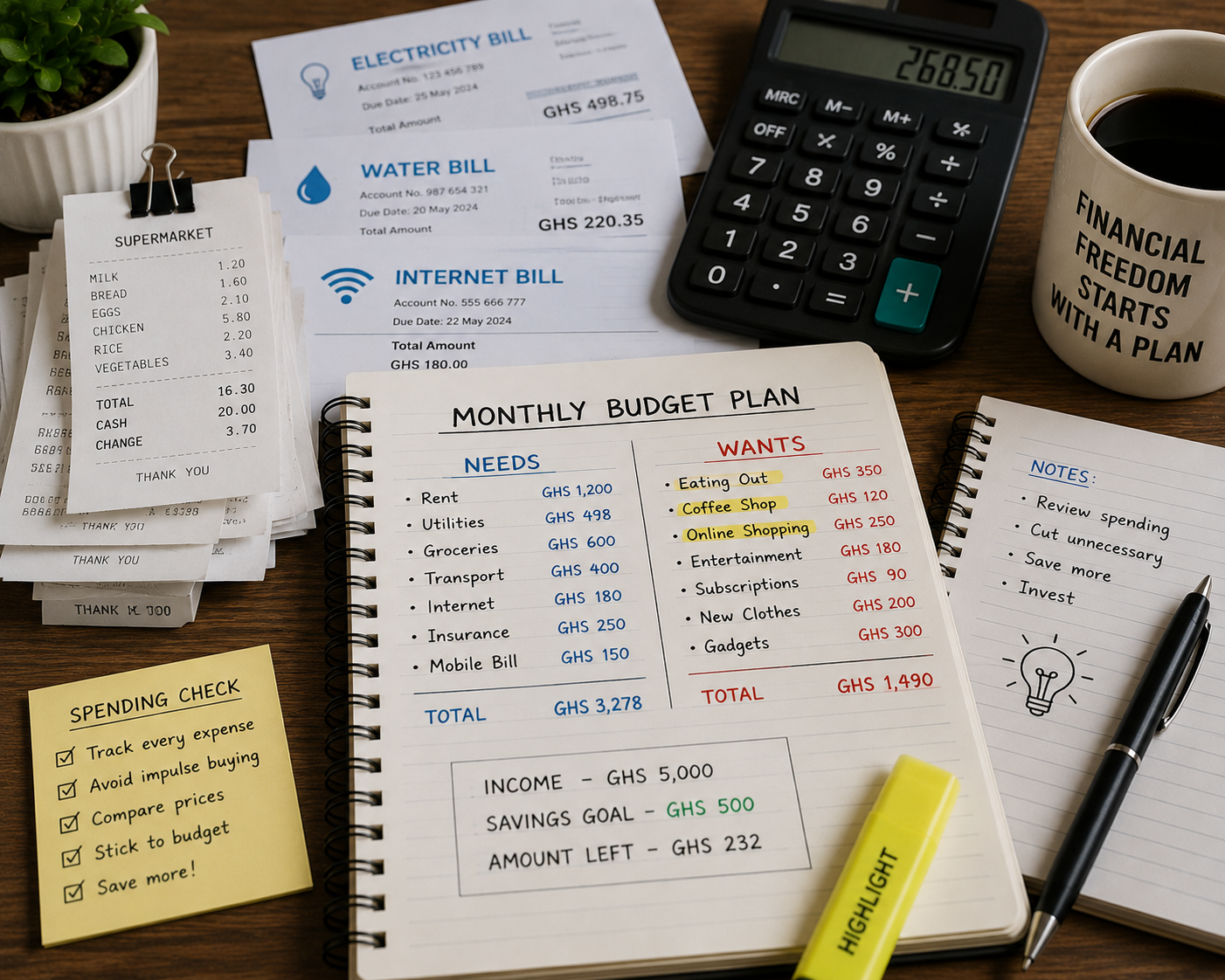
Create a Monthly Budget
A budget gives your money a purpose.
Before the month begins, decide:
- How much you will spend
- How much you will save
- How much you will allocate to bills
- How much you will use for personal expenses
A budget helps prevent random spending and improves financial discipline.
Stop Impulse Buying
Impulse purchases are one of the biggest causes of wasted money.
Before buying something, ask:
- Do I need this?
- Will I still want it next week?
- Does it fit my budget?
- Is there a cheaper alternative?
Consider using the 24-hour rule.
Wait at least one day before making non-essential purchases.
Many buying urges disappear with time.
Avoid Shopping Without a List
Whether shopping online or in a store, always use a list.
A shopping list helps you:
- Stay focused
- Avoid distractions
- Reduce unnecessary purchases
- Spend less money
People who shop without a plan often spend more than intended.
Reduce Eating Out Frequently
Convenience can be expensive.
Buying lunch, snacks, and drinks every day can consume a large portion of your income.
Preparing meals at home can significantly reduce expenses.
This does not mean eliminating all restaurant visits.
It simply means being more intentional about how often you spend on food outside the home.
Cancel Unused Subscriptions
Many people pay monthly for services they rarely use.
Review your subscriptions:
- Streaming platforms
- Apps
- Software services
- Memberships
- Online tools
Ask yourself:
“Do I use this regularly?”
If the answer is no, consider canceling it.
Small monthly subscriptions can add up quickly over a year
Set Clear Financial Goals
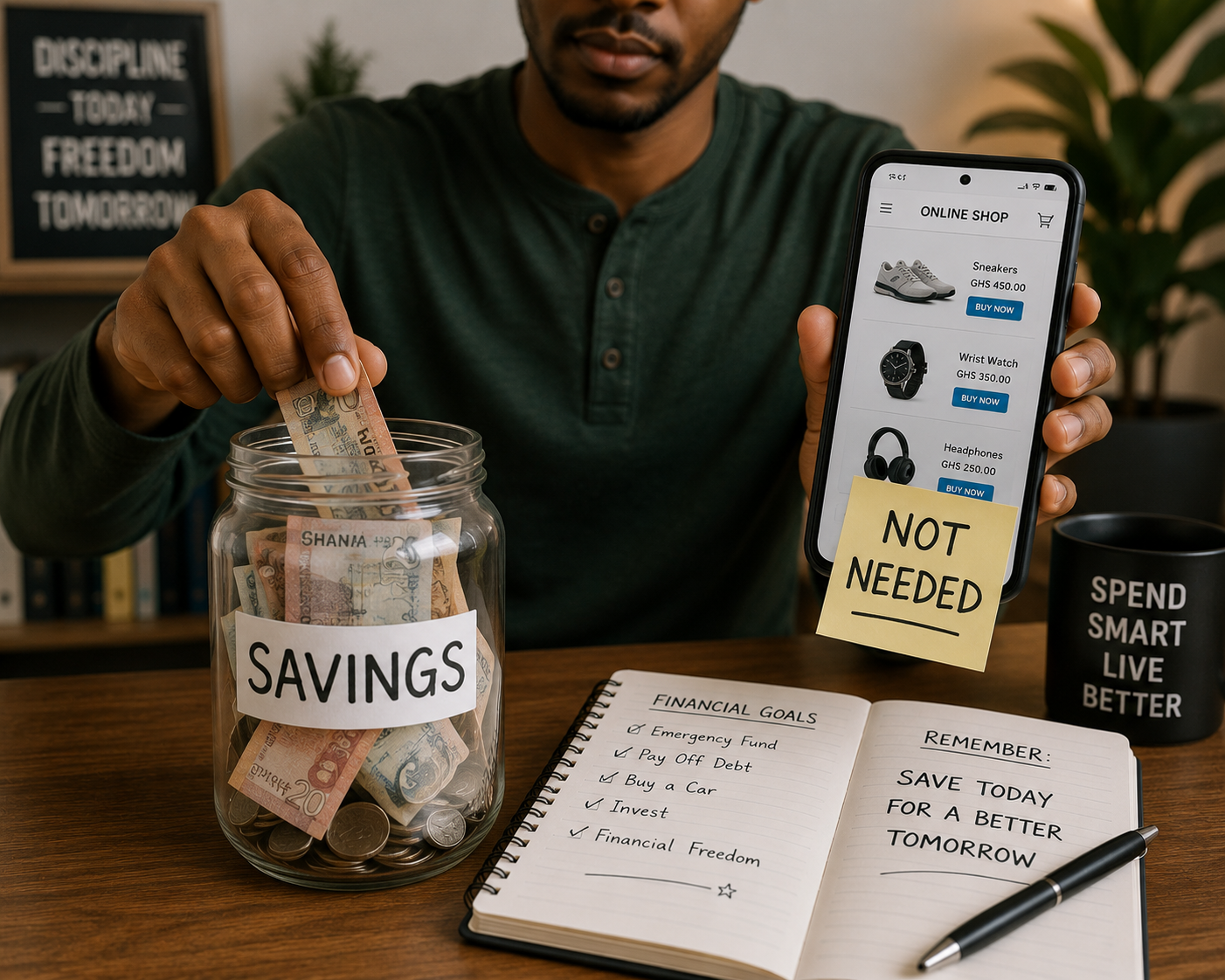
Money is easier to manage when you have a purpose for it.
Examples include:
- Building an emergency fund
- Paying off debt
- Buying a car
- Starting a business
- Saving for a house
- Investing
Clear goals make it easier to resist unnecessary spending.
When you know what you are working toward, every spending decision becomes more intentional.
Avoid Emotional Spending
Many people spend money when they feel:
- Stressed
- Bored
- Lonely
- Frustrated
- Excited
While spending may provide temporary satisfaction, it rarely solves the underlying problem.
Instead of shopping, consider healthier alternatives:
- Exercise
- Reading
- Journaling
- Walking
- Talking with a friend
Learning to manage emotions without spending money can significantly improve your finances.
Compare Prices Before Buying
Before making purchases:
- Compare different stores
- Check online prices
- Look for discounts
- Consider alternatives
A few minutes of research can save substantial amounts of money over time.
Smart shoppers rarely buy the first option they see.
Build an Emergency Fund
Unexpected expenses often lead to financial problems.
Examples include:
- Medical bills
- Car repairs
- Family emergencies
- Home repairs
An emergency fund helps prevent these situations from disrupting your finances.
Even small monthly contributions can build financial security over time.
Use Cash for Certain Expenses
For some people, spending cash feels more real than using cards or mobile payments.
Consider using cash for:
- Entertainment
- Dining out
- Personal spending
When the cash is gone, spending stops.
This method can improve spending awareness and self-control.
Avoid Lifestyle Inflation
As income increases, many people immediately increase spending.
They buy:
- More expensive phones
- More expensive clothes
- More expensive cars
- More expensive lifestyles
While it is reasonable to enjoy financial progress, increasing expenses too quickly can prevent wealth building.
Instead of spending every extra cedi you earn, direct part of it toward savings and investments.
Review Your Spending Monthly
At the end of each month, ask:
- What did I spend money on?
- What was necessary?
- What was unnecessary?
- Where can I improve?
Regular reviews help you make better financial decisions moving forward.
Signs You Are Improving Financially
You may notice:
- More money remaining at month-end
- Increased savings
- Reduced debt
- Better spending decisions
- Less financial stress
- Greater financial confidence
Small improvements can create significant long-term results.
Final Thoughts
Learning how to stop wasting money every month is one of the most important financial skills you can develop.
You do not need to become extremely frugal or eliminate everything you enjoy. The goal is simply to spend intentionally and avoid purchases that do not add meaningful value to your life.
Track your expenses, create a budget, avoid impulse purchases, reduce unnecessary spending, and focus on your financial goals.
Remember that every cedi saved is a step toward greater financial freedom.
Small changes today can lead to a much stronger financial future tomorrow.