
When people look at top performers, it often feels like they are built differently. They seem to have more time, more energy, and more control over their lives. They manage businesses, careers, families, and personal goals without always looking overwhelmed. Many people assume they are just naturally disciplined or unusually motivated.
The truth is far less mysterious. Top performers don’t rely on motivation alone. They rely on productivity systems.
A productivity system is not about working harder or filling every minute of the day. It is about having a clear way to decide what matters, when to do it, and when to stop. Productivity systems remove chaos from daily life and replace it with structure that supports focus and calm.
In this article, we’ll explore what productivity systems top performers actually use, why they work, and how these systems quietly shape success over time. No hype. No complicated theories. Just real-life principles that make productivity feel human and sustainable.
Why Productivity Systems Matter More Than Motivation
Motivation is unreliable. It comes and goes depending on mood, energy, and circumstances. Top performers understand this early. Instead of waiting to feel motivated, they build productivity systems that work even on low-energy days.
A productivity system acts like a guide. It tells you what to do next without forcing you to think too much. This reduces decision fatigue, which is one of the biggest productivity killers.
When decisions are already made through a system, action becomes easier. This is why productivity systems matter more than talent or inspiration. They create consistency, and consistency is what drives long-term results.
Simplicity Is the Foundation of All Productivity Systems
One thing that surprises many people is how simple the productivity systems of top performers are. They don’t rely on dozens of apps or complex routines. In fact, complexity usually destroys productivity.
Top performers design productivity systems that are easy to follow. They know that if a system feels heavy, it won’t last. The goal is not perfection. The goal is reliability.
Simple productivity systems reduce friction. They allow the brain to focus on meaningful work instead of managing tools. This simplicity makes it easier to stay consistent even during busy or stressful periods.
Clear Priorities Drive Every Effective Productivity System
At the heart of every strong productivity system is clarity about priorities. Top performers know what matters most, and they protect those priorities fiercely.
Instead of reacting to every message, request, or distraction, their productivity systems guide attention toward high-impact work. This doesn’t mean they ignore everything else. It means they decide intentionally.
Without clear priorities, productivity systems collapse. You end up busy but unfulfilled. Top performers avoid this by aligning their systems with long-term goals, not daily noise.
Time Blocking as a Core Productivity System
Many top performers rely on time blocking as a central part of their productivity systems. Time blocking means assigning specific periods of the day to specific types of work.
This approach removes guesswork. Instead of deciding what to do in the moment, the decision is already made. This protects focus and reduces stress.
Time blocking also creates boundaries. It reminds top performers that rest is just as important as work. Their productivity systems include time for recovery, reflection, and personal life.
This balance prevents burnout and keeps performance sustainable.
The Role of Daily Planning in Productivity Systems
Top performers don’t wake up and hope for a productive day. They plan it. Daily planning is a quiet but powerful part of their productivity systems.
Planning doesn’t mean filling every minute. It means identifying the few tasks that truly matter. This gives the day direction.
Daily planning also builds confidence. When you know what needs to be done, anxiety decreases. Productivity systems create mental calm by replacing uncertainty with clarity.
Even when days don’t go as planned, having a system makes it easier to adjust without feeling lost.
Weekly Reviews Keep Productivity Systems Aligned
Top performers regularly review their productivity systems. They reflect on what worked, what didn’t, and what needs adjustment.
Weekly reviews help prevent drift. Without review, productivity systems slowly lose relevance. Tasks pile up. Goals become unclear.
Reviewing keeps the system alive. It allows top performers to adapt without starting over. This flexibility is why their productivity systems last for years, not weeks.
Reflection turns experience into improvement.
Task Capture Prevents Mental Overload
One common trait among top performers is their ability to clear their minds. Their productivity systems include a way to capture tasks, ideas, and commitments outside the brain.
When tasks live only in your head, stress increases. You’re constantly afraid of forgetting something. Productivity systems solve this by providing a trusted place to store information.
This frees mental space for creative and strategic thinking. Top performers don’t waste energy remembering tasks. Their systems remember for them.
Mental clarity is one of the biggest benefits of strong productivity systems.
Focused Work Is Protected by Productivity Systems
Top performers value deep focus. Their productivity systems are designed to protect uninterrupted work time.
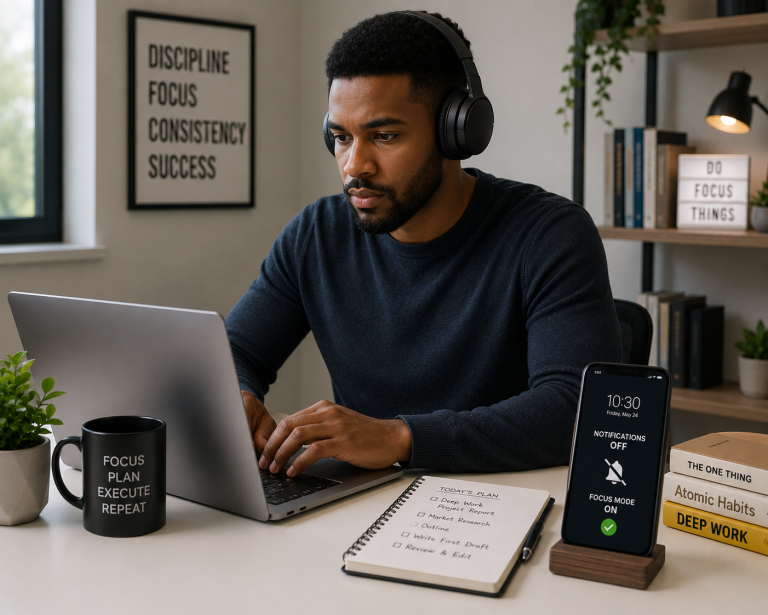
This often means reducing distractions intentionally. Notifications are controlled. Meetings are limited. Work is grouped into focused sessions.
Productivity systems don’t eliminate distractions completely, but they reduce their power. Over time, this allows top performers to produce higher-quality work in less time.
Focus compounds. Small periods of deep work, repeated consistently, create massive results.
Productivity Systems Reduce Decision Fatigue
Decision fatigue drains energy quickly. Every small decision consumes mental resources. Top performers understand this and design productivity systems that minimize unnecessary choices.
They standardize routines. They automate recurring decisions. This saves energy for important work.
When productivity systems handle the basics, the mind stays fresh longer. This is one reason top performers appear calm under pressure.
Their energy is protected by design.
Habit Integration Strengthens Productivity Systems
Productivity systems work best when they align with habits. Top performers don’t rely on willpower alone. They embed productive behaviors into routines.
Morning routines, work-start rituals, and end-of-day reflections are common features of their productivity systems. These habits signal the brain when to focus and when to rest.
Habit-based productivity systems feel natural over time. They require less effort and deliver more consistency.
This is how productivity becomes a lifestyle, not a struggle.
Rest Is Part of Every Successful Productivity System
Contrary to popular belief, top performers rest intentionally. Their productivity systems include downtime.
Rest supports focus, creativity, and emotional balance. Without rest, productivity systems break down. Burnout replaces progress.
Top performers schedule rest the same way they schedule work. This protects their long-term performance and mental health.
Rest is not a reward. It is a requirement.
Flexibility Keeps Productivity Systems Sustainable
Life is unpredictable. Top performers design productivity systems that can adapt.
Instead of rigid rules, they build flexible frameworks. When something unexpected happens, the system bends instead of breaking.
This flexibility reduces guilt and frustration. Productivity systems should support life, not fight it.
Adaptable systems last longer and feel more humane.
Technology Supports But Does Not Control Productivity Systems
Many top performers use digital tools, but tools are never the system itself. Productivity systems come first. Tools simply support them.
Top performers avoid tool overload. They choose a few reliable platforms and use them consistently.
The goal is not to find the perfect app. It is to create a workflow that feels natural and sustainable.
Technology serves the system, not the other way around.
Why Most Productivity Systems Fail
Most productivity systems fail because they are copied blindly. What works for one person may not work for another.
Top performers customize their productivity systems. They experiment, adjust, and refine over time.
Failure also happens when systems are too ambitious. When expectations are unrealistic, consistency disappears.
Successful productivity systems grow gradually. They respect human limits.
Productivity Systems and Emotional Wellbeing
Strong productivity systems support emotional health. They reduce stress by creating order and predictability.
When you know what matters and when to do it, anxiety decreases. Productivity systems replace overwhelm with structure.
This emotional stability is one reason top performers sustain high output over long periods.
Productivity is not just about doing more. It’s about feeling better while doing what matters.
The Long-Term Power of Productivity Systems
Productivity systems compound over time. Small improvements, repeated daily, create massive change.
Top performers don’t chase quick wins. They invest in systems that grow with them.
Over months and years, productivity systems shape identity. You become someone who follows through, not someone who struggles to start.
This identity shift is one of the most powerful outcomes of a strong system.
How Top Performers Stay Consistent
Consistency is the true measure of productivity systems. Top performers show up even on imperfect days.
Their systems lower the barrier to action. Even small progress counts.
Consistency beats intensity every time. Productivity systems make consistency possible.
Final Thoughts
Top performers don’t rely on motivation or talent alone. They rely on productivity systems that support focus, clarity, and balance.
These systems are simple, flexible, and human. They protect energy, reduce stress, and guide attention toward what truly matters.
Anyone can build effective productivity systems. You don’t need to copy someone else perfectly. You just need a system that works for you.
When productivity systems are in place, progress becomes natural instead of forced.