
Let’s talk about something almost nobody warns you about when you start earning more money. It feels good to get a raise. It feels exciting to land a better job. It feels rewarding to grow your business. But right behind that excitement is a quiet trap called lifestyle inflation.
Lifestyle inflation happens when your spending rises as your income rises. You make more money, so you spend more money. It feels natural. It feels deserved. But over time, lifestyle inflation can quietly destroy your ability to build wealth.
You might think, “I’m earning more, so I’m doing fine.” But if your expenses grow at the same speed as your income, your financial freedom stays exactly where it was.
In this article, we will walk through how to avoid lifestyle inflation in a real, practical way. No extreme advice. No unrealistic rules. Just simple strategies you can actually use in daily life.
What Is Lifestyle Inflation and Why It Happens
Lifestyle inflation is the gradual increase in spending that happens when your income increases. You get a raise, so you upgrade your apartment. You start earning more from your business, so you buy a better car. You earn bonuses, so you dine out more often.
None of these things are bad by themselves. The problem is when lifestyle inflation becomes automatic and unexamined.
According to research discussed by the Federal Reserve, many households struggle to cover unexpected expenses even during periods of economic growth. That tells us something important. Higher income does not always equal higher financial security.
Lifestyle inflation happens for emotional reasons too. We compare ourselves to friends. We reward ourselves for hard work. We believe higher income means we should “level up” our lives.
The key is not avoiding joy. The key is controlling lifestyle inflation before it controls you.
The Hidden Danger of Lifestyle Inflation
At first, lifestyle inflation feels harmless. You still pay your bills. You still save a little. Nothing seems wrong.
But over time, lifestyle inflation raises your monthly obligations. Higher rent. Higher car payments. Higher subscriptions. Higher expectations.
Now imagine you lose your job. Or your business slows down. Suddenly, your fixed expenses are too high. The life that once felt comfortable now feels stressful.
Financial experts like Dave Ramsey often warn that large fixed expenses create long-term pressure. When lifestyle inflation locks you into expensive commitments, you lose flexibility.
Flexibility is freedom. Lifestyle inflation reduces flexibility.
The Difference Between Upgrading and Inflating
It’s important to understand something. Avoiding lifestyle inflation does not mean staying stuck. It does not mean never improving your quality of life.
There is a difference between intentional upgrading and mindless lifestyle inflation.
Intentional upgrading is when you choose improvements that align with your values. Maybe you move closer to work to reduce commute stress. Maybe you invest in better equipment for your business.
Lifestyle inflation is when spending increases simply because income increased.
The question is simple. Are you spending with purpose, or are you reacting to income growth without thinking?
Why Lifestyle Inflation Delays Wealth Building
When your income grows and your expenses grow at the same rate, your savings rate stays the same.
But wealth building is not about income alone. It is about the gap between income and expenses.
The larger that gap, the faster you build assets.
Investors like Warren Buffett are famous not just for earning, but for disciplined spending. Even with enormous wealth, Buffett is known for relatively modest personal spending habits.
Lifestyle inflation shrinks your wealth gap. Avoiding lifestyle inflation widens it.
The wider the gap, the faster you reach financial independence.
Social Media and Lifestyle Inflation
Modern life makes lifestyle inflation harder to avoid. Social media constantly shows upgraded lives. Better vacations. Bigger homes. Luxury experiences.
Platforms like Instagram amplify comparison. You scroll and see curated lifestyles. You feel behind, even if you are doing well.
Lifestyle inflation often begins with comparison. You see others upgrading, so you feel pressure to match.
But remember this. Social media shows highlights, not balance sheets.
Avoiding lifestyle inflation means protecting your financial goals from external pressure.
The Emotional Side of Lifestyle Inflation
Money is emotional. Lifestyle inflation is emotional too.
After years of hard work, you feel you deserve rewards. That feeling is valid. The problem is when rewards become permanent cost increases.
A one-time vacation is different from a permanent car payment upgrade. One is temporary. The other is fixed.
When avoiding lifestyle inflation, it helps to separate emotional rewards from long-term financial commitments.
Reward yourself wisely. Just do not trap yourself.
How to Avoid Lifestyle Inflation When You Get a Raise
The moment you receive a raise is the most important time to act.
Instead of adjusting your lifestyle immediately, pause. Create a rule for yourself. For example, automatically direct a large portion of your raise into savings or investments.
Many financial planners, including insights shared by Vanguard, suggest increasing your savings rate whenever your income increases.
If your income goes up by ten percent, consider saving at least half of that increase. You still enjoy more money, but you also build wealth faster.
This single habit can protect you from lifestyle inflation for years.
Automating Wealth to Fight Lifestyle Inflation
Automation is powerful. When money moves automatically into savings or investments, you reduce temptation.
Lifestyle inflation thrives on available cash. If extra money sits in your checking account, it feels spendable.
But if it moves automatically into a retirement account or investment portfolio, it stops feeling like spending money.
Automation turns good intentions into consistent behavior. It removes emotion from the equation.
Avoiding lifestyle inflation becomes easier when decisions happen before you feel the urge to spend.
Fixed Costs Are the Real Risk
Small purchases matter, but fixed costs matter more.
Rent, mortgage, car payments, insurance, subscriptions. These are recurring commitments. Once you increase them, reducing them becomes difficult.
Lifestyle inflation often shows up in fixed costs first.
Before upgrading to a more expensive apartment or car, ask yourself a simple question. Will this decision limit my freedom later?
Freedom is the ability to choose. High fixed costs reduce choices.
Redefining Success to Avoid Lifestyle Inflation
Many people connect success with visible upgrades. Bigger house. Newer car. Designer brands.
But true success can also mean low stress, strong savings, and flexibility.
Avoiding lifestyle inflation requires redefining what success looks like to you.
Is success about appearances, or about options?
Options mean you can leave a job you dislike. Options mean you can take a career risk. Options mean you can handle emergencies calmly.
Lifestyle inflation trades options for appearances.
The Power of a Savings Rate
Income gets attention. Savings rate builds wealth.
If you earn more but save the same percentage, progress is slow. If you increase your savings rate as income grows, wealth compounds faster.
Compounding is powerful. Even basic investment principles discussed by institutions like Securities and Exchange Commission emphasize the long-term impact of consistent investing.
Avoiding lifestyle inflation allows you to invest more. More investing means more compounding. More compounding means more freedom later.
Lifestyle Inflation and Debt
Lifestyle inflation often leads to debt. You upgrade before cash flow can support it. You justify it because income increased.
Credit cards and financing options make it easy to spend ahead of income.
But debt increases pressure. It reduces flexibility. It amplifies stress.
Avoiding lifestyle inflation reduces the need for borrowing. It keeps your financial foundation strong.
Living Below Your Means Is Still Powerful
Living below your means may sound old-fashioned, but it remains one of the strongest defenses against lifestyle inflation.
It does not mean living poorly. It means spending less than you earn, even when you could spend more.
When you live below your means, raises become wealth accelerators, not lifestyle upgrades.
This mindset separates high earners who struggle from moderate earners who build wealth steadily.
Intentional Enjoyment Without Lifestyle Inflation
Avoiding lifestyle inflation does not mean denying enjoyment.
You can enjoy better food, travel, or experiences. The key is keeping upgrades proportional and intentional.
Maybe you upgrade travel once a year but avoid upgrading your housing every time income rises.
Choose areas that truly add happiness. Research often cited by behavioral economists suggests experiences tend to create longer-lasting happiness than material upgrades.
So if you increase spending, increase it in ways that bring meaning, not just status.
Tracking Your Spending Awareness
You cannot fight lifestyle inflation if you do not see it.
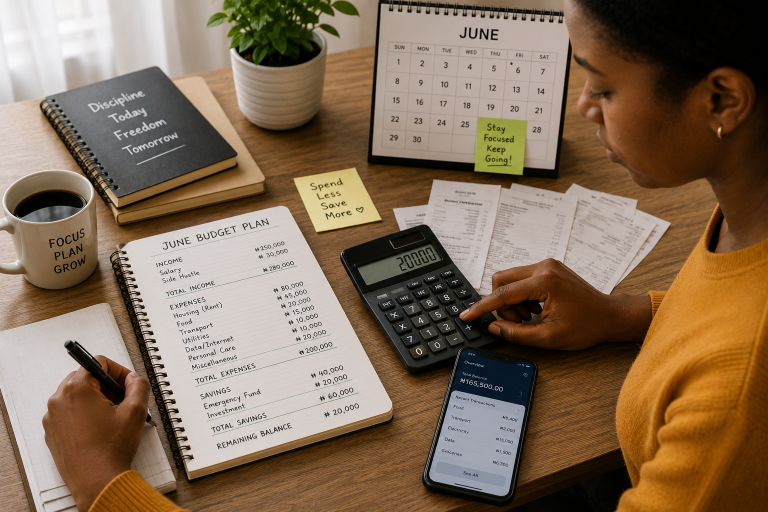
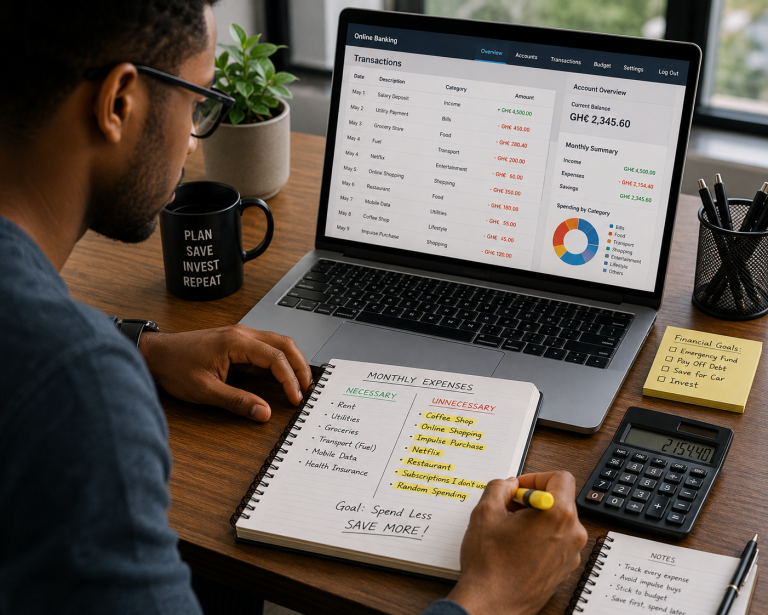
Track your spending at least occasionally. Notice patterns. Compare income growth to expense growth.
If your expenses are rising at the same speed as income, lifestyle inflation is likely happening.
Awareness creates control.
Without awareness, lifestyle inflation feels invisible.
Building a Long Term Vision
One powerful way to avoid lifestyle inflation is having a clear long-term goal.
Do you want early retirement? Financial independence? Business freedom? Travel flexibility?
When your goals are clear, lifestyle inflation becomes easier to resist.
It is easier to say no to upgrades when you are saying yes to a bigger future.
Your future freedom should be more exciting than temporary upgrades.
Surrounding Yourself With the Right Influence
Your environment matters. If everyone around you constantly upgrades their lifestyle, resisting lifestyle inflation becomes harder.
Seek influence from people who value financial discipline. Read books about investing and wealth building. Listen to voices that prioritize long-term thinking.
Your mindset is shaped by what you consume daily.
Choose influences that support your financial growth.
Conclusion
Lifestyle inflation is quiet. It does not feel dangerous. It feels deserved. It feels normal.
But over time, lifestyle inflation can trap you in higher expenses, reduce flexibility, and delay wealth building.
Avoiding lifestyle inflation does not mean avoiding joy. It means being intentional. It means saving more when you earn more. It means protecting your future freedom.
Income growth is powerful. But only if you keep control of lifestyle inflation.