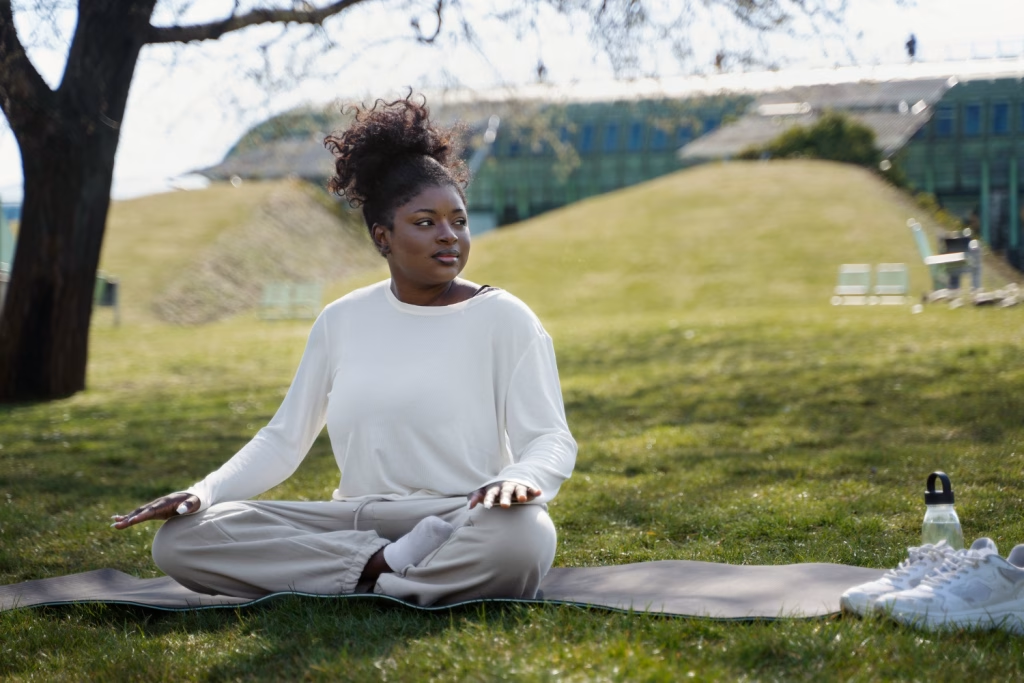
If you have ever said, “I want to meditate, but I don’t know where to start,” you are not alone. Meditation for beginners can feel confusing at first. You hear people talk about mindfulness, breathing techniques, silent retreats, and inner peace. It sounds powerful, but also a little intimidating.
Maybe you tried once. You sat down, closed your eyes, and within ten seconds your mind started racing. You thought about work, school, messages, dinner, and random memories from five years ago. Then you said, “This is not for me.”
Here is the truth. That experience is completely normal. Meditation for beginners is not about stopping your thoughts. It is about learning how to notice them without being controlled by them.
You do not need to be spiritual. You do not need special equipment. You do not need hours of free time. You just need a simple approach and consistency.
In this guide, we will break down meditation for beginners in a relatable way. Simple language. Practical steps. Realistic expectations. And research-backed insights so you know this is not just a trend.
What Is Meditation for Beginners Really About
At its core, meditation for beginners is about awareness. It is about training your attention.
Most of us live on autopilot. We react quickly. We worry often. We scroll constantly. Our minds rarely rest. Meditation gives your brain a pause.
Research from Harvard Medical School has shown that meditation can reduce stress and improve emotional regulation. It is not magic. It is mental training.
When you practice meditation for beginners, you are learning to focus on the present moment. Usually, that begins with your breath.
It sounds simple. But simple does not mean easy.
Why Meditation for Beginners Feels Difficult
One of the biggest misunderstandings about meditation for beginners is that you are supposed to empty your mind.
That is not the goal.
Your brain is designed to think. Thoughts will come. The practice is noticing them and gently bringing your attention back to your breath or chosen focus.
At first, your mind may feel louder than ever. That is because you are finally paying attention to it.
Think of meditation for beginners like going to the gym for the first time. The muscles feel weak. The movement feels awkward. But over time, strength builds.
Mental strength builds the same way.
The Science Behind Meditation for Beginners
Meditation is not just a wellness trend. It has been studied for decades.
Researchers at Johns Hopkins University reviewed studies suggesting that meditation can help reduce symptoms of anxiety and depression in some people. It is not a replacement for medical treatment, but it can be a supportive practice.
Brain imaging studies, including those discussed by neuroscientists affiliated with Massachusetts General Hospital, have shown changes in brain regions linked to stress and attention after consistent meditation practice.
For meditation for beginners, this means something simple but powerful. Small daily practice can create measurable mental changes over time.
How to Start Meditation for Beginners Step by Step
Let’s make this practical.
When starting meditation for beginners, choose a quiet space. It does not have to be perfectly silent. Just a place where you will not be interrupted for a few minutes.
Sit comfortably. You can sit on a chair or on the floor. Your back should be upright but relaxed. You do not need a special pose.
Close your eyes or soften your gaze.
Now focus on your breath. Notice the air moving in and out. Do not control it. Just observe it.
When your mind wanders, and it will, gently bring your attention back to your breath.
That is meditation for beginners in its simplest form.
Start with five minutes. That is enough.
How Long Should Meditation for Beginners Last
Many people think they need to meditate for thirty minutes or an hour.
For meditation for beginners, shorter is better.
Five to ten minutes a day is powerful when done consistently. The key is regular practice, not long sessions.
Think of it like brushing your teeth. You do not brush for an hour once a week. You brush for a few minutes every day.
Meditation for beginners works the same way.
Consistency builds the habit. The habit builds the benefit.
Common Mistakes in Meditation for Beginners
One common mistake in meditation for beginners is judging yourself.
You might think, “I am bad at this.” But there is no bad meditation. If you sat down and tried, you succeeded.
Another mistake is expecting instant calm. Sometimes meditation makes you more aware of stress at first. That is normal. Awareness comes before improvement.
Also, many beginners quit too early. The benefits of meditation for beginners often appear after weeks of practice, not days.
Patience matters.
Using Guided Meditation for Beginners
If sitting in silence feels hard, guided meditation can help.
Apps and online platforms offer beginner-friendly sessions. Even organizations like Mayo Clinic provide educational content explaining meditation techniques.
A guided voice can give structure. It can remind you to breathe and refocus.
For many people, guided meditation for beginners makes the process less intimidating.
Over time, you may feel comfortable practicing without guidance.
Breathing Techniques for Meditation for Beginners
The most common method in meditation for beginners is simple breath awareness.
But there are variations.
You can count breaths from one to ten and then repeat. You can focus on the feeling of air at your nose. You can place your hand on your stomach and notice the rise and fall.
Breathing anchors your attention. It brings you back to the present moment.
The breath is always available. That is why it is central in meditation for beginners.
Dealing With Restlessness in Meditation for Beginners
Restlessness is normal. You may feel like checking your phone. You may feel bored.
That is part of the training.
Meditation for beginners teaches you to sit with discomfort instead of reacting immediately.
In daily life, this skill is powerful. Instead of reacting with anger or stress, you pause. You breathe. You respond more thoughtfully.
This emotional regulation is one reason why meditation is recommended by many mental health professionals.
How Meditation for Beginners Reduces Stress
Stress often comes from thinking about the past or worrying about the future.
Meditation for beginners brings you back to now.
When you focus on your breath, you are not reliving old arguments. You are not worrying about tomorrow’s meeting. You are simply breathing.
Over time, this habit trains your brain to stay grounded.
Chronic stress has been linked to many health problems, and stress management programs often include mindfulness practices. While meditation is not a cure-all, it can be part of a healthy stress-reduction strategy.
Building a Daily Meditation for Beginners Routine
Habits stick when they are connected to existing routines.
Try pairing meditation for beginners with something you already do. For example, meditate right after brushing your teeth in the morning. Or right before bed.
Keep it simple. Same place. Same time.
Your brain loves patterns. When meditation becomes routine, resistance decreases.
Missing a day is not failure. Just return the next day.
Meditation for Beginners and Focus Improvement
In a world full of notifications, attention is fragile.
Meditation for beginners strengthens attention like exercise strengthens muscles.
Each time you notice your mind wandering and bring it back, you are training focus.
Over time, this practice can improve concentration at work, school, or creative projects.
You may find it easier to finish tasks without constant distraction.
That is a practical benefit of meditation for beginners that many people appreciate.
Emotional Awareness in Meditation for Beginners
Meditation for beginners also increases emotional awareness.
When you sit quietly, you may notice feelings you usually ignore. Frustration. Sadness. Anxiety.
Instead of pushing them away, you observe them.
Observation creates space. Space reduces impulsive reactions.
This does not mean emotions disappear. It means you relate to them differently.
That shift can improve relationships, communication, and self-understanding.
Meditation for Beginners and Sleep
Many beginners start meditating because they struggle with sleep.
Even a short evening session of meditation for beginners can calm racing thoughts.
Focusing on breathing slows the nervous system. Your body moves from a state of alertness toward relaxation.
While meditation is not a medical treatment for insomnia, many people report improved sleep quality after consistent practice.
Calm mind often leads to calmer nights.
Keeping Expectations Realistic
Meditation for beginners is not about becoming perfectly calm all the time.
You will still feel stress. You will still have bad days.
The difference is subtle but important. You may recover faster. You may react less intensely. You may notice stress sooner.
Think of meditation for beginners as building resilience, not perfection.
Resilience means bouncing back. And that is a powerful skill.
Long Term Benefits of Meditation for Beginners
With consistent practice, meditation for beginners can shift how you experience daily life.
You may feel more present in conversations. You may notice small joys more clearly. You may handle challenges with greater steadiness.
The benefits build gradually.
Just like physical fitness, mental fitness requires repetition.
Five minutes today. Five minutes tomorrow. Over months, the impact compounds.
Conclusion
Meditation for beginners does not require special skills. It requires willingness.
Sit down. Breathe. Notice. Return.
That is the practice.
You will have wandering thoughts. You will have restless days. That is normal. The goal is not to stop thinking. The goal is to relate differently to your thoughts.
Science supports its benefits. Experience confirms its impact.
If you are starting meditation for beginners, keep it simple. Five minutes a day. One breath at a time.