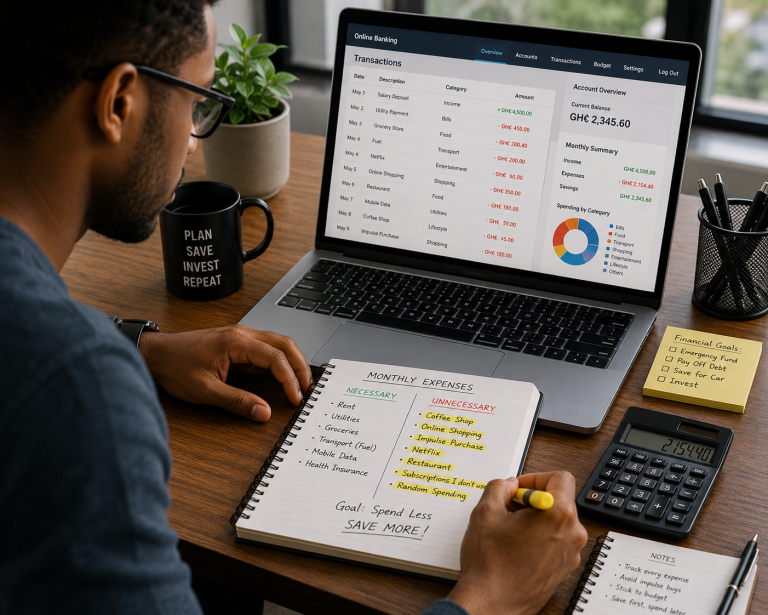

In our fast-paced world, decision-making is a constant. From simple choices like what to wear to complex decisions like career changes, our brains work tirelessly to navigate through myriad options.
However, there’s a hidden factor that can significantly influence the quality of our decisions—decision fatigue. This phenomenon sheds light on why we tend to make subpar choices when we’re mentally drained.
Understanding Decision Fatigue:
Decision fatigue is the mental exhaustion that arises from making numerous decisions, depleting our cognitive resources over time. Imagine decision-making as a muscle—the more it’s used, the more fatigued it becomes. Research suggests that as we make choices throughout the day, the quality of our decisions declines, leading to impulsivity, avoidance, or choosing the easiest option.
Effects on Decision-Making:
When fatigued, our brains tend to opt for shortcuts or default choices, known as decision avoidance. This explains why, after a taxing day, we might resort to familiar, albeit not necessarily optimal, choices. For instance, grabbing fast food for dinner instead of cooking a healthier meal can be a result of decision fatigue.
Moreover, decision fatigue affects our self-control. Studies reveal that resisting temptation becomes harder when we’re mentally exhausted. This is evident in instances where individuals, after a long day, may give in to impulsive buying or indulge in unhealthy habits they’d typically resist.
Workplace Implications:
In professional settings, decision fatigue can be detrimental. CEOs, judges, and professionals who make critical decisions daily are susceptible to its effects. The quality of their decisions might decline as the day progresses, impacting businesses, legal judgments, and overall productivity.
Strategies to Combat Decision Fatigue:
Recognizing the presence of decision fatigue is the first step in mitigating its impact. Implementing strategies like prioritizing important decisions in the morning when cognitive resources are highest can be beneficial. Creating routines, automating trivial choices, and taking regular breaks to recharge can also help preserve mental energy.
Lada thoughts
Decision fatigue is a silent influencer of our choices, affecting various aspects of our lives. Acknowledging its presence empowers us to take proactive steps to alleviate its effects. By understanding the triggers and employing coping mechanisms, we can optimize our decision-making, leading to better outcomes and a more balanced life. Remember, a well-rested mind is better equipped to make sound choices amidst life’s endless array of decisions.