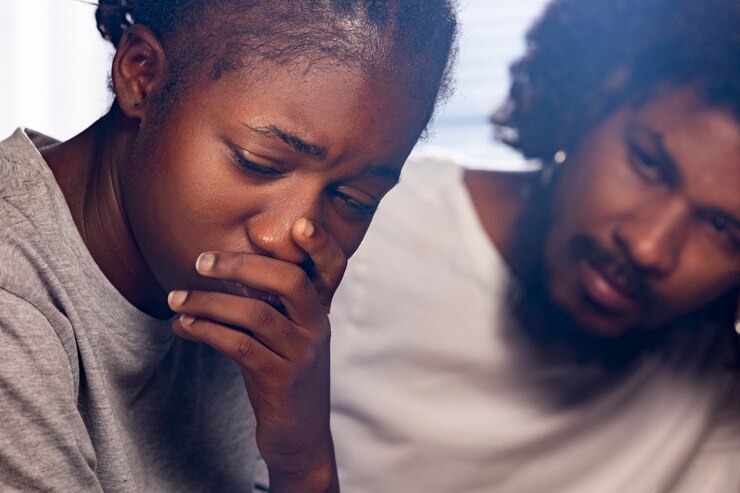
A toxic relationship is one that harms your well-being, lowers your self-esteem, or makes you feel drained, unhappy, or unsafe. Toxic relationships can occur in any area of your life, such as with family, friends, romantic partners, or coworkers.
They can have serious negative effects on your physical and mental health, such as increased stress, anxiety, depression, or even physical illness. Therefore, it is important to recognize the signs of a toxic relationship and take steps to protect yourself and end the unhealthy connection.
Some common signs of a toxic relationship are:
- You feel like you have to walk on eggshells around the other person, or you are constantly afraid of upsetting them or triggering their anger.
- You feel like you have to change yourself or hide your true feelings, opinions, or interests to please the other person or avoid their criticism.
- You feel like you are always giving more than you are receiving in the relationship, or you are always the one who has to compromise, apologize, or make sacrifices.
- You feel like you are being manipulated, controlled, or coerced by the other person, or they use threats, ultimatums, guilt-trips, or blackmail to get their way.
- You feel like you are being isolated from your other friends, family, or support network by the other person, or they discourage you from pursuing your own goals, hobbies, or passions. You feel like you are being verbally, emotionally, physically, or sexually abused by the other person, or they disrespect your boundaries, privacy, or consent.
If you recognize any of these signs in your relationship, you should know that you deserve better and that you have the right to end the relationship. Ending a toxic relationship can be difficult and painful, but it can also be liberating and empowering.
Here are some steps you can take to end a toxic relationship and heal yourself:
Seek professional help.
A therapist, counselor, or support group can help you cope with the emotional trauma of a toxic relationship and provide you with guidance and resources to end it safely and effectively.
– Reach out to your trusted friends and family. They can offer you emotional support, practical assistance, and a different perspective on your situation. They can also help you stay away from the toxic person and avoid their attempts to contact you or lure you back.
Cut off all contact with the toxic person.
Block their phone number, email address, social media accounts, and any other means of communication. Delete their messages, photos, and any other reminders of them. Do not respond to their calls, texts, emails, or visits. Do not give them any opportunity to manipulate you or make you doubt yourself.
Focus on yourself and your well-being.
Take care of your physical health by eating well, sleeping well, exercising regularly, and avoiding drugs and alcohol. Take care of your mental health by engaging in activities that make you happy, calm, and fulfilled. Learn new skills, pursue new hobbies, join new groups, or volunteer for a cause that matters to you. Rediscover yourself and your strengths.
Forgive yourself and move on.
Do not blame yourself for the toxic relationship or for staying in it for too long. Recognize that you did the best you could with what you knew at the time. Acknowledge your feelings of anger, sadness, guilt, or regret, but do not let them consume you. Forgive yourself for any mistakes you made and learn from them. Accept that the past is over and that you have a new future ahead of you.
Remember that ending a toxic relationship is not a sign of weakness or failure. It is a sign of courage and self-respect. You are not alone in this process. There are many people who have gone through similar experiences and who can offer you support and encouragement.
You are not defined by your toxic relationship. You are a valuable and worthy person who deserves to be treated with kindness and respect. You have the power to create a healthier and happier life for yourself.