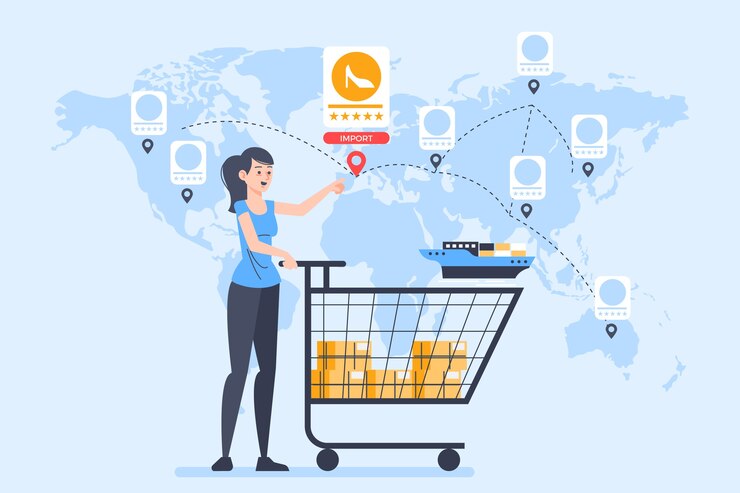
The world of shopping has expanded far beyond local borders, thanks to the rise of cross-border e-commerce. This rapidly growing sector allows consumers to purchase products from around the globe with ease, breaking down traditional barriers to international trade.
At the forefront of this revolution are innovative startups that are making global shopping more seamless and accessible than ever before. These companies are leveraging cutting-edge technology to solve the complexities of cross-border transactions, logistics, and regulations, enabling consumers to enjoy a truly global marketplace.
The Growth of Cross-Border E-commerce
Cross-border e-commerce has seen exponential growth over the past decade. According to industry reports, the global cross-border e-commerce market is expected to reach over $4 trillion by 2027. The demand for international goods, coupled with advancements in technology and logistics, has fueled this expansion.
Consumers are no longer confined to purchasing goods within their own countries; instead, they can shop from retailers across the world, often accessing products that are unavailable in their local markets.
However, this growth has not been without challenges. Issues such as currency conversion, shipping costs, customs duties, and language barriers have traditionally made cross-border shopping a complex and sometimes frustrating experience. This is where startups have stepped in, using innovation to simplify and streamline the process.
How Startups Are Making Global Shopping Seamless
Startups in the cross-border e-commerce space are tackling the various pain points associated with international shopping, making it easier for consumers to buy products from anywhere in the world. Here are some of the key areas where these companies are making a difference:
1. Currency Conversion and Payment Solutions
One of the biggest challenges in cross-border e-commerce is currency conversion. Many consumers are hesitant to make purchases in foreign currencies due to concerns about exchange rates and hidden fees. Startups like TransferWise (now Wise) and Revolut have developed solutions that allow consumers to convert currencies at competitive rates, ensuring transparency and saving them money on international purchases.
Additionally, payment gateways such as PayPal, Stripe, and Adyen have integrated features that simplify cross-border transactions. These platforms support multiple currencies and offer protection against fraud, making it easier for consumers to shop with confidence.
2. Logistics and Shipping Innovations
Shipping is another major hurdle in cross-border e-commerce. High shipping costs, long delivery times, and the risk of lost or damaged goods have deterred many consumers from shopping internationally. Startups like Shippo and Easyship are addressing these issues by offering solutions that optimize shipping routes, reduce costs, and provide real-time tracking information. These companies partner with multiple carriers to give consumers and retailers more choices and better control over the shipping process.
Some startups are even experimenting with drone deliveries and autonomous vehicles to further reduce shipping times and costs, bringing the concept of seamless global shopping closer to reality.
3. Customs and Compliance Management
Navigating the complexities of international customs and regulations can be daunting for both consumers and retailers. Startups like Zonos and Avalara are making it easier to manage customs duties, taxes, and compliance. These companies offer software solutions that automatically calculate the necessary fees and ensure that shipments comply with local regulations. This reduces the likelihood of unexpected charges or delays at customs, making the shopping experience smoother for consumers.
4. Language and Localization
Language barriers have long been a challenge in cross-border e-commerce, but startups are developing solutions to overcome this. Companies like Weglot and Smartling offer translation services that enable retailers to localize their websites and product descriptions for different markets. This not only helps consumers understand what they are buying but also builds trust and enhances the overall shopping experience.
5. Returns and Customer Support
Returning a product purchased from another country can be complicated and costly. Startups like ZigZag Global and ReBOUND are transforming the returns process by offering solutions that make it easier and more affordable for consumers to send back unwanted items. These companies partner with local logistics providers to facilitate returns and ensure that customers are satisfied with their purchases.
The Future of Cross-Border E-commerce
As technology continues to advance, the future of cross-border e-commerce looks promising. Startups will play a crucial role in driving this growth by continuing to innovate and address the challenges associated with global shopping. With the right solutions in place, consumers will increasingly view the world as their shopping mall, leading to a more interconnected and accessible global marketplace.
Conclusion
Cross-border e-commerce is no longer a niche market; it is becoming the norm for consumers who want access to a wider range of products and better prices. Startups in this space are leading the charge, making global shopping more seamless, efficient, and enjoyable. By addressing the key pain points of currency conversion, shipping, customs, and language, these companies are helping to create a truly global marketplace where consumers can shop with confidence, no matter where they are in the world.
As the sector continues to grow, we can expect even more innovative solutions that will further simplify the cross-border shopping experience.