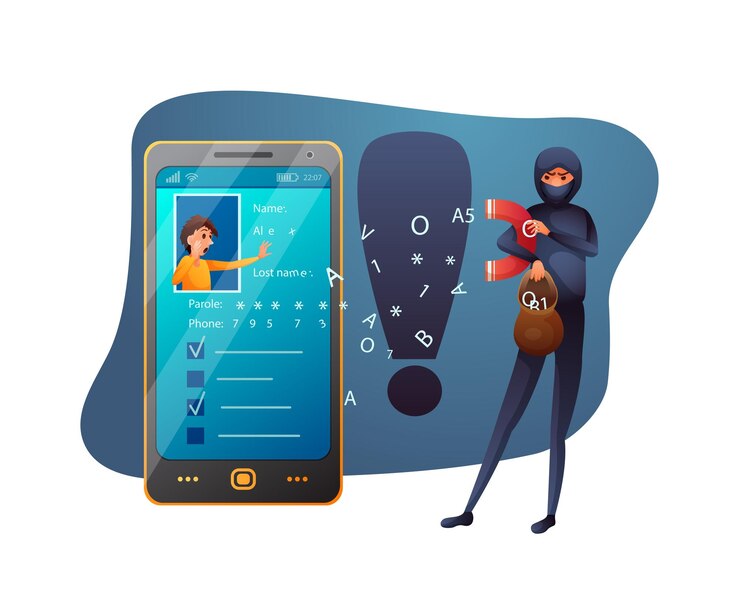
Identity theft has become a significant concern for individuals worldwide. As technology advances, so do the methods used by identity thieves to steal personal information and commit fraud.
Understanding these common identity theft schemes is crucial to safeguarding your data and avoiding financial and emotional distress.
- Smart Money Management for Students: How to Handle Finances and Avoid Debt
- Achieving Financial Freedom: Your Roadmap to Independence
Phishing Scams: Hooking Victims with Fake Communications
Phishing is one of the most widespread identity theft schemes, where attackers trick victims into divulging personal information through fake emails, text messages, or websites. These fraudulent communications often appear to come from legitimate sources, such as banks, social media platforms, or government agencies.
For instance, you might receive an email that looks like it’s from your bank, asking you to verify your account details by clicking on a link. The link then leads you to a fake website designed to capture your login credentials, which the thief then uses to access your real account.
How to Protect Yourself:
- Be wary of unsolicited emails or messages that ask for personal information.
- Avoid clicking on links or downloading attachments from unknown sources.
- Verify the legitimacy of the communication by contacting the organization directly through official channels.
Social Engineering: Exploiting Human Trust
Social engineering is a psychological manipulation technique used by identity thieves to trick people into giving away confidential information. This can happen over the phone, through emails, or in person. Thieves might pose as trusted figures, such as IT support, government officials, or even family members, to gain access to your data.
A common example is the “tech support” scam, where a caller pretends to be from a reputable tech company and convinces you that your computer is infected with a virus. They then ask you to provide remote access to your device, allowing them to steal sensitive information stored on your computer.
How to Protect Yourself:
- Be cautious when sharing personal information, especially if the request seems urgent or unexpected.
- Confirm the identity of the person requesting the information before proceeding.
- Educate yourself on common social engineering tactics to better recognize them.
Data Breaches: When Companies Fail to Protect Your Information
Data breaches occur when hackers infiltrate a company’s database and steal sensitive information, such as names, addresses, Social Security numbers, and credit card details. Even large, well-known companies are not immune to data breaches, and when they happen, the stolen data is often sold on the dark web, where identity thieves can purchase it and use it to commit fraud.
For example, if your personal information is exposed in a data breach, a thief could use it to open credit accounts in your name, leaving you with debt and a damaged credit score.
How to Protect Yourself:
- Monitor your credit report regularly for any suspicious activity.
- Use strong, unique passwords for online accounts and change them frequently.
- Consider placing a fraud alert or credit freeze on your credit files to prevent unauthorized access.
Skimming: Stealing Information from Physical Cards
Skimming involves using a small device to capture information from the magnetic stripe of your credit or debit card when it is swiped. Skimmers are often placed on ATMs, gas station pumps, or point-of-sale terminals, where they can discreetly record your card details. Once the information is captured, the thief can create a clone of your card and use it for fraudulent purchases.
How to Protect Yourself:
- Inspect card readers for any unusual or loose parts before using them.
- Use ATMs located in well-lit, secure areas.
- Consider using contactless payment methods or chip-enabled cards, which are harder to skim.
Synthetic Identity Theft: Creating a New Identity from Fragments
Synthetic identity theft is a more complex scheme where thieves combine real and fake information to create a new identity. For example, they might use a child’s Social Security number (which is often unmonitored) and pair it with a fake name and birthdate. This synthetic identity can then be used to open credit accounts, take out loans, or commit other types of fraud.
Victims of synthetic identity theft often don’t realize they’ve been targeted until they encounter issues with their credit, making this a particularly insidious form of theft.
How to Protect Yourself:
- Monitor your credit report and that of your children for any unusual activity.
- Be cautious about sharing your Social Security number, especially for your children.
- Consider using identity theft protection services that can help detect synthetic identity fraud.
Account Takeover: Hijacking Your Financial Accounts
Account takeover occurs when a thief gains access to your online accounts, such as banking, email, or social media accounts, and uses them for fraudulent purposes. This can happen through phishing, social engineering, or by obtaining your login credentials through a data breach. Once they have control of your accounts, thieves can transfer money, make purchases, or even lock you out of your accounts.
How to Protect Yourself:
- Use two-factor authentication (2FA) for your online accounts to add an extra layer of security.
- Regularly update your passwords and use different passwords for different accounts.
- Be vigilant about monitoring your account activity for any unauthorized transactions.
LadaUp
Identity theft is an ever-evolving threat, with thieves constantly developing new ways to steal your personal information. By understanding the most common schemes and taking proactive steps to protect yourself, you can reduce the risk of becoming a victim. Stay informed, stay vigilant, and take control of your personal information to keep it out of the hands of identity thieves.