In today’s competitive business world, choosing the best employee management system is crucial. It not only improves the efficiency of day-to-day operations but also plays a significant role in employee satisfaction and retention. So, how do you decide which system works best for your business? This guide will walk you through everything you need to know about employee management systems, from their key features to the best options available today.
What Is an Employee Management System?
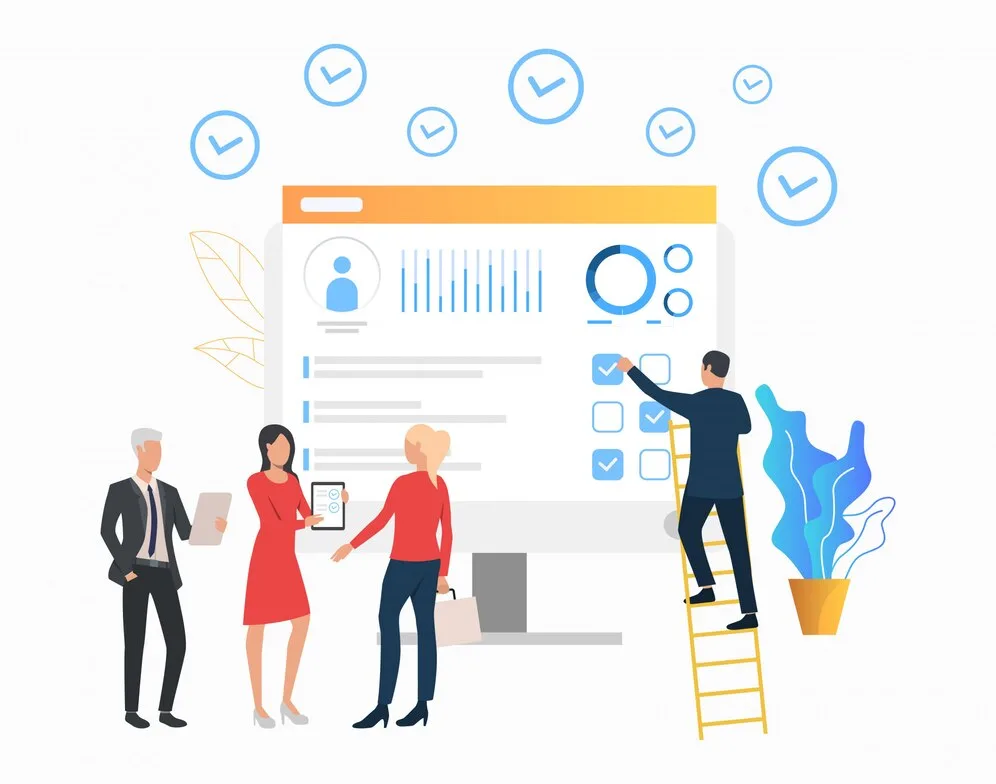
An employee management system is a software platform designed to help businesses manage, track, and optimize employee-related tasks. From attendance tracking to performance evaluations and payroll processing, an EMS integrates multiple HR functions into one cohesive tool.
But it’s more than just a tool to monitor employees. The best employee management systems empower businesses to streamline HR processes, improve communication with employees, and ensure compliance with regulations.
Why Your Business Needs an Employee Management System
Gone are the days of manually tracking work hours on paper or juggling multiple platforms for payroll and performance reviews. An effective employee management system automates these processes, reducing the chances of human error and freeing up valuable time for you to focus on growing your business.
Beyond time savings, an EMS brings these crucial benefits:
- Centralized Information: All employee data—whether it’s attendance, payroll, or performance—is stored in one place. This makes it easier to access and analyze.
- Improved Decision-Making: Real-time data provided by the system allows HR managers to make more informed decisions regarding employee performance, scheduling, and even future hiring.
- Employee Engagement: With features like self-service portals, employees can view their schedules, request time off, and access important documents, improving their overall experience with the company.
- Compliance and Risk Management: Many EMS platforms ensure compliance with labor laws and regulations, minimizing the risk of errors or penalties for your business.
How to Choose the Best Employee Management System
Choosing the right EMS depends on the specific needs of your business. Here are a few key factors to consider before making a decision:
- Business Size and Growth Potential: Small businesses might need a simpler system with basic features like payroll and attendance management. However, if your business is rapidly growing, look for a scalable solution that can handle more complex tasks like performance reviews, goal setting, and advanced reporting.
- Integration with Other Tools: Make sure the system can integrate with your existing tools, such as accounting software, customer relationship management (CRM) systems, or communication platforms like Slack or Microsoft Teams.
- Customization: Not all businesses are the same. Some might prioritize scheduling and attendance, while others need more emphasis on performance tracking. Choose a system that offers flexibility and can be tailored to your needs.
- Ease of Use: A user-friendly interface is essential. Both your HR team and your employees need to find the system intuitive. A clunky, hard-to-use system can create frustration rather than solve problems.
- Security: Handling sensitive employee data comes with a responsibility to protect it. Look for systems that offer strong encryption, regular security updates, and compliance with privacy regulations like GDPR.
Top Employee Management Systems in 2024
While many tools promise efficiency, the best employee management systems stand out due to their features, ease of use, and the value they add to businesses. Here are a few top contenders:
BambooHR
BambooHR is a leading choice for small and medium-sized businesses looking for an easy-to-use platform that handles core HR functions. It provides features like time-off tracking, employee data management, and performance tracking, all in one place. BambooHR is ideal for businesses that want a straightforward, intuitive tool to manage employee information, conduct performance reviews, and generate useful reports.
Zenefits
Zenefits is another popular EMS, particularly well-suited for growing businesses. It integrates HR, payroll, and benefits administration into one platform. Zenefits offers seamless employee onboarding, benefits management, and compliance tools, making it a valuable asset for businesses scaling their operations.
ADP Workforce Now
ADP Workforce Now is a robust, enterprise-grade system designed for larger businesses with more complex HR needs. From payroll processing to talent management, ADP Workforce Now provides everything a large corporation would need to manage its workforce efficiently. The platform’s detailed reporting and analytics help businesses make data-driven decisions about employee performance and development.
Workday
Workday is renowned for its flexibility and scalability, making it a favorite for businesses of all sizes. Workday’s workforce planning tools help businesses manage their global workforce with ease, while its real-time reporting and analytics allow managers to track employee performance and engagement effectively.
Key Features to Look for in an Employee Management System
When evaluating different systems, keep an eye out for these essential features:
- Time and Attendance Tracking: This automates the process of logging work hours, tracking employee attendance, and managing shift schedules.
- Payroll Management: An effective EMS will automatically calculate wages, taxes, and deductions, ensuring that employees are paid accurately and on time.
- Performance Tracking: Many systems offer features to track employee performance, set goals, and provide feedback, improving engagement and productivity.
- Employee Self-Service: This feature allows employees to access their schedules, payroll information, and benefits, fostering transparency and trust.
- Compliance Tools: From tracking employee work hours to ensuring payroll accuracy, compliance features ensure that your business adheres to local labor laws and regulations.
Best Workforce Management Software for Call Centers
Call centers have unique workforce management needs due to their reliance on shift scheduling, real-time tracking, and performance monitoring. Workforce management tools designed for call centers help ensure optimal staff allocation, minimize wait times, and maximize customer satisfaction.
NICE inContact is a top solution for call centers, offering real-time workforce optimization tools that help managers schedule agents, track call performance, and manage workloads.
Final Thoughts
Choosing the best employee management system is an investment that will pay off in improved productivity, streamlined operations, and happier employees. Whether you’re running a small startup or managing a large corporation, there’s a system designed to meet your specific needs.
As you evaluate different options, consider your business’s size, industry, and long-term goals. Whether it’s a flexible solution like Workday or a more focused platform like BambooHR, the right system can help your company grow while making workforce management easier and more efficient.