Inflation is a term we hear a lot, especially when prices at the grocery store or gas station start rising. But what does it really mean, and why should you care about it? In this article, we’ll break down everything you need to know about inflation—what it is, what causes it, how it affects your life, and what you can do to stay financially secure during periods of rising costs.
How Inflation Works: The Basics Explained
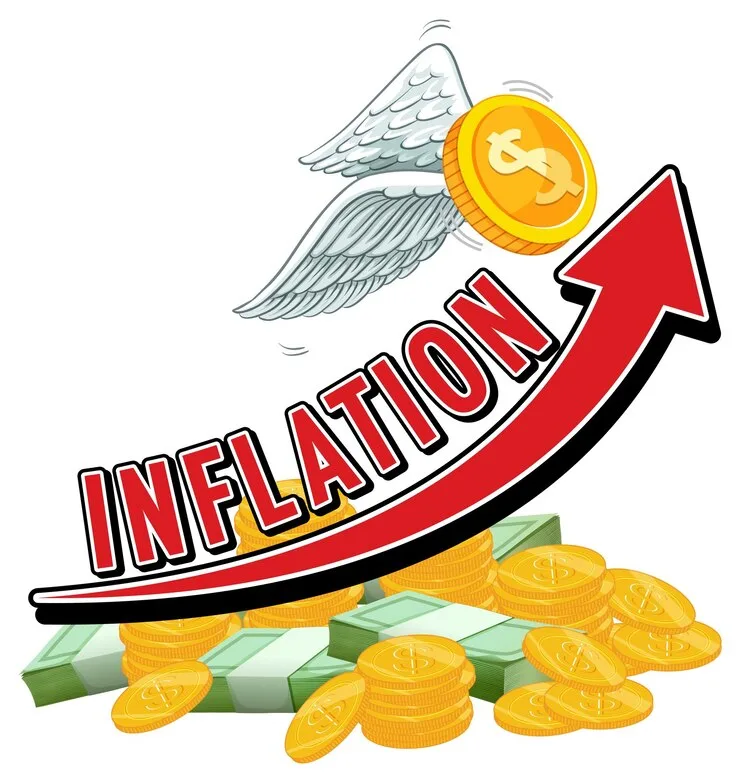
At its core, inflation is the rate at which the prices of goods and services increase over time. When inflation occurs, your money loses purchasing power, meaning you need more cash to buy the same things.
For example, if a loaf of bread cost $2 last year and now it costs $2.20, that’s inflation in action—a 10% increase. While small amounts of inflation (around 2% annually) are normal and even healthy for the economy, excessive inflation can create serious financial challenges for businesses and individuals alike.
Key Inflation Metrics
- Consumer Price Index (CPI): This measures the average change in prices paid by consumers for goods and services.
- Producer Price Index (PPI): This tracks the average change in prices received by producers, which often trickles down to consumers.
Inflation’s Effect on Wages, Housing, and Energy Costs
Inflation doesn’t just make things more expensive—it has ripple effects throughout the economy:
1. Wages
While employers may raise wages to keep up with inflation, these increases often lag behind price hikes, reducing workers’ purchasing power. For instance, a 5% salary increase might sound great, but if inflation is at 6%, you’re effectively losing money.
2. Housing
Rising inflation often leads to higher mortgage rates and rent costs. This makes homeownership less affordable for first-time buyers and strains renters who face annual rent increases.
3. Energy and Utilities
Inflation heavily impacts the cost of energy, including gasoline, electricity, and heating. During inflationary periods, fluctuating oil prices can lead to higher bills, making it harder for families to manage their budgets.
What Causes Inflation?
Inflation doesn’t happen randomly; it’s driven by specific factors:
1. Demand-Pull Inflation
This occurs when demand for goods and services outpaces supply. For example, during economic booms, consumers might spend more freely, leading to shortages and price hikes.
2. Cost-Push Inflation
This happens when the costs of production (e.g., labor, raw materials) increase, forcing businesses to raise prices. A recent example is supply chain disruptions during the COVID-19 pandemic, which caused prices for many products to skyrocket.
3. Built-In Inflation
Sometimes called “wage-price inflation,” this happens when businesses increase wages to meet employee demands, which leads to higher prices for goods and services.
Inflation vs. Deflation: What’s the Difference?
While inflation refers to rising prices, deflation is its opposite—a decrease in prices. At first glance, deflation might sound good, but it can actually harm the economy. Falling prices often lead to lower profits for businesses, which can result in job cuts and reduced consumer spending.
Central banks, like the U.S. Federal Reserve, aim to maintain a balance between inflation and deflation by setting monetary policies. Ideally, they aim for a stable inflation rate of around 2%, which is considered healthy for economic growth.
The Role of Central Banks in Managing Inflation
Central banks play a crucial role in controlling inflation. They use tools like interest rates to influence economic activity. For example:
- Raising Interest Rates: This makes borrowing more expensive, slowing down consumer spending and reducing demand, which can help lower inflation.
- Lowering Interest Rates: This encourages borrowing and spending, which can stimulate the economy but might also increase inflation.
The Federal Reserve’s actions in recent years, including rate hikes to combat rising inflation, highlight how delicate this balancing act can be.
How Inflation Impacts Your Daily Life
Even small increases in inflation can significantly affect your finances. Here are some ways you might feel its impact:
1. Groceries and Essentials
You might notice that your weekly grocery bill keeps getting higher, even if you’re buying the same items. This is one of the most visible effects of inflation.
2. Savings and Investments
Inflation erodes the value of money over time. For example, if inflation is at 3%, your savings account earning 1% interest effectively loses value. Investing in stocks, real estate, or inflation-protected securities can help hedge against this.
3. Debt Payments
For people with fixed-rate loans, inflation can actually work in their favor by reducing the “real” value of debt over time. However, those with variable-rate loans may see their payments increase.
Tips to Protect Yourself from Inflation
While you can’t stop inflation, you can take steps to minimize its impact:
- Invest Wisely: Diversify your portfolio with assets that historically perform well during inflation, like real estate, stocks, or commodities.
- Save Strategically: Consider high-yield savings accounts or inflation-protected securities like Treasury Inflation-Protected Securities (TIPS).
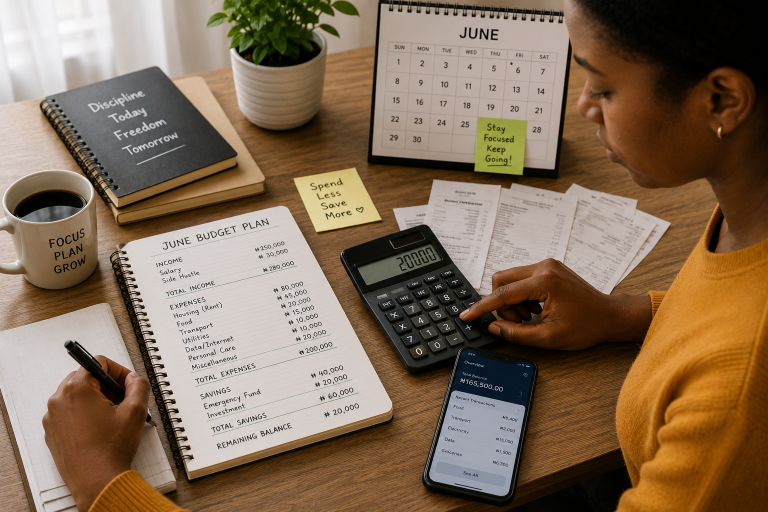
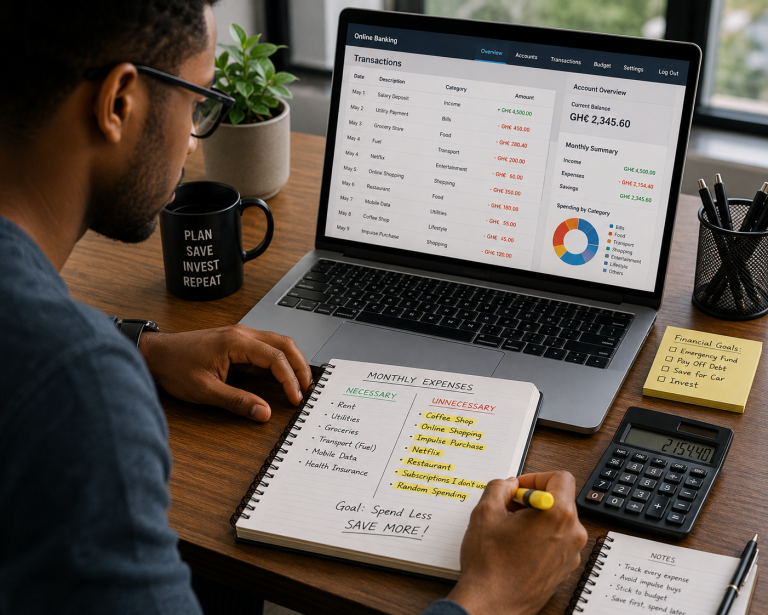
- Cut Unnecessary Expenses: Reassess your budget and prioritize essential spending.
- Boost Your Income: Look for ways to increase your earning potential, whether through side hustles or skill development.
The Future of Inflation
As we move through 2024, inflation trends remain a hot topic. Economists predict that inflation may stabilize if central banks maintain steady policies, but factors like geopolitical tensions and global supply chain issues could still cause volatility.
Understanding inflation and its impact on your life is crucial for making informed financial decisions. By staying educated and proactive, you can better navigate the challenges of rising costs and maintain your financial stability.
What’s your experience with inflation? Share your thoughts in the comments!