Ever noticed how you feel more awake and clear-headed after a short walk or a quick stretch? That’s no coincidence. Movement doesn’t just strengthen your body—it wakes up your mind. Whether you’re sitting behind a desk all day or scrolling endlessly on your phone, being still too long drains your energy faster than you think.
Moving more, even in small ways, is one of the simplest and most powerful ways to recharge both your physical and mental batteries. You don’t need to be a gym person, run marathons, or lift weights to feel the difference. You just need to move—regularly and intentionally.
Let’s explore how movement works its magic and how you can make it part of your daily life (without feeling forced).
1. Movement Gets Your Blood Flowing — and Wakes You Up
When you move, your blood circulates faster, delivering oxygen and nutrients throughout your body, including your brain. That’s why even a five-minute stretch can make you feel more awake than another cup of coffee.
Think of your body like a river. When it’s still, the water stagnates; when it flows, it stays fresh. Movement keeps your “river” flowing, clearing out fatigue and improving alertness.
So next time you feel sluggish at work, don’t just reach for caffeine—try standing up, walking around, or doing a few shoulder rolls. You’ll be surprised how much sharper and more awake you feel.
2. It Boosts Mood and Mental Clarity
When you move, your brain releases feel-good chemicals like endorphins, dopamine, and serotonin. These are the same chemicals that reduce stress, boost mood, and help you focus better.
That’s why exercise is often called a “natural antidepressant.” But here’s the best part: you don’t need an hour-long workout to feel the effect. A 10-minute walk outside, dancing to your favorite song, or doing light yoga can shift your mood and clear mental fog.
Movement gives your brain the reset button it sometimes desperately needs.
3. Movement Reduces Stress and Anxiety
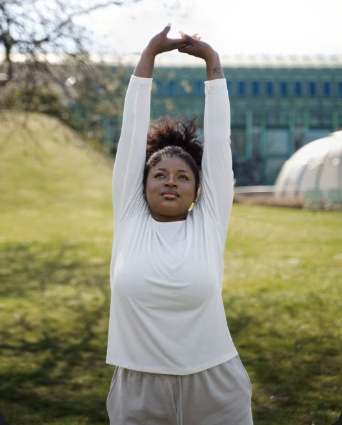
Ever felt tense after a long day and noticed your shoulders creeping up toward your ears? That’s your body storing stress. Movement—especially stretching and mindful exercises like walking or yoga—helps release that built-up tension.
When you move, your muscles relax, your breathing deepens, and your nervous system starts to calm down. The result? A clearer mind and a calmer heart.
Even just standing up and taking a few slow breaths can turn a stressful moment into a manageable one.
4. It Increases Focus and Creativity
If you’ve ever felt stuck trying to solve a problem, here’s a simple trick: take a walk. Research shows that physical movement, especially walking, boosts creative thinking and problem-solving skills.
Movement frees your mind from clutter and helps ideas flow more easily. That’s why many successful people—from writers to entrepreneurs—swear by “thinking walks.”
So if your brain feels stuck, get your body moving. Your best ideas might be waiting on the other side of a short stroll.
5. It Helps You Sleep Better
Ironically, moving more during the day helps you rest better at night. Physical activity regulates your body’s internal clock and reduces stress hormones like cortisol, which interfere with sleep.
When you’re active, your body builds a healthy sleep-wake rhythm, making it easier to fall asleep faster and wake up refreshed.
Just avoid intense exercise too close to bedtime—it might keep you awake. Gentle stretching or a calm evening walk is perfect.
6. It Fights Fatigue (Even When You’re Tired)
It sounds strange, but moving more actually helps when you’re tired. When you’re inactive for too long, your muscles stiffen, your circulation slows, and your brain gets less oxygen. This makes you feel even more drained.
But if you push through that initial sluggishness and get moving—even lightly—you’ll notice a surge of energy afterward.
You don’t have to overdo it. A quick walk, some jumping jacks, or simply cleaning your space can give you that energy kick you need.
7. Movement Builds Confidence and Self-Respect
Every time you choose to move, you’re telling yourself, “I care about my well-being.” That simple act of self-respect builds confidence.
You start feeling more in control, not just of your body, but your mindset. You walk taller, breathe deeper, and show up with more energy.
It’s not about perfection or performance—it’s about progress.
8. You Don’t Need the Gym — Just Intention
Here’s the truth: you don’t need fancy equipment or long hours at the gym to benefit from movement. Everyday actions count too.
Try things like:
- Taking the stairs instead of the elevator.
- Doing a few squats while brushing your teeth.
- Walking during phone calls.
- Stretching for five minutes before bed.
Small, intentional actions done consistently matter more than big, rare efforts.
9. The Mind-Body Connection
Your body and mind are constantly talking to each other. When your body feels good, your mind follows. When you sit for hours, your body tells your brain it’s time to slow down—sometimes too much.
Movement changes that signal. It tells your brain, “We’re alive. We’re strong. We’re capable.”
That’s why moving more doesn’t just make you physically healthier—it also helps you think more clearly, manage emotions better, and feel more in tune with yourself.
10. Make Movement a Habit, Not a Chore
The key is to make movement a natural part of your day, not something you “have” to do.
Find what feels good. It could be dancing, cycling, walking your dog, gardening, or cleaning your room to music. When you enjoy it, you’ll keep doing it without forcing yourself.
Think less about “exercise” and more about “staying active.” Consistency beats intensity every time.
Conclusion
Movement is one of the most underrated ways to recharge your energy—both mentally and physically. It’s not about being fit; it’s about feeling alive.
When you move, you breathe better, think clearer, sleep deeper, and live happier. The best part? It doesn’t take much. You just have to start.
Your body is designed for movement. Give it what it craves, and it will reward you with more energy, focus, and joy every single day.
How much should I move daily to feel more energetic?
Even 20–30 minutes of light activity a day can make a noticeable difference in your energy levels.
What kind of movement is best for boosting mental energy?
Walking, yoga, stretching, or dancing—anything that increases blood flow without overexertion.
What if I work a desk job and can’t move much?
Take micro-breaks every 30–60 minutes. Stand, stretch, or walk to refill your water. Small breaks add up.