
Everyone talks about being “the best version of yourself,” but what does that actually mean? It’s one of those phrases that sounds great on paper but often feels vague or even intimidating in real life. You might imagine someone who wakes up early, exercises every morning, eats healthy meals, meditates daily, and manages life perfectly. But let’s be honest — that’s not reality for most people. Being the best version of you isn’t about perfection or fitting into someone else’s idea of success. It’s about authenticity, balance, and progress — becoming someone you’re genuinely proud of, not just someone others admire.
At its core, being the best version of yourself means living in alignment with your values, goals, and true identity. It’s when your actions, thoughts, and emotions are in sync with who you want to be. It’s not about comparing yourself to others; it’s about comparing who you are today to who you were yesterday. Growth is the keyword here. And growth doesn’t happen overnight — it happens slowly, quietly, through choices made every single day.
Understanding the “Best Version” Concept
To understand what it means to be your best self, think of it like leveling up in a video game. Every level brings new challenges, but it also gives you new tools and experiences that make you stronger. The goal isn’t to reach a final level where you’ve “completed life.” It’s to keep evolving. Every time you learn something, overcome a fear, or break a bad habit, you’re building a stronger, wiser version of yourself.
Your best version is not a single point in time — it’s a moving target. Life changes, and so do you. What “best” means at 20 may be very different from what it means at 40. At one point, your best self might be focused on building a career; at another, it might mean slowing down to care for your mental health. The key is flexibility — allowing yourself to evolve without guilt or comparison.
Why Being the Best Version of You Matters
When you commit to being your best self, you take responsibility for your happiness and future. It’s easy to drift through life reacting to situations, but becoming your best self means living with intention. It brings a sense of direction and purpose that makes life feel meaningful.
Research published in the Journal of Positive Psychology shows that people who set personal growth goals experience greater well-being and life satisfaction. It’s not about achieving everything at once, but about knowing you’re improving, learning, and moving forward. That feeling — of progress — is deeply rewarding.
When you work toward your best self, you also influence others. Your energy, mindset, and habits can inspire friends, family, and even coworkers. People are drawn to authenticity and positivity. By growing yourself, you become a catalyst for growth in others.
How Self-Awareness Shapes the Best Version of You
You can’t become your best self if you don’t know who you are now. Self-awareness is the foundation of growth. It means being honest about your strengths, weaknesses, habits, and emotions — without judgment.
Take time to reflect on questions like:
- What kind of person do I want to be?
- What habits make me proud?
- What triggers negative emotions or stress?
Keeping a journal helps you see patterns in your thoughts and behaviors. For example, if you notice that social media makes you feel unproductive or insecure, it might be time to set limits. Self-awareness helps you identify what aligns with your best self and what doesn’t.
Mindfulness is also a powerful tool here. When you’re mindful, you notice your thoughts and emotions in real time. Instead of reacting automatically, you choose how to respond. That choice — that pause — is where growth happens.
Building Habits That Reflect Your Best Self
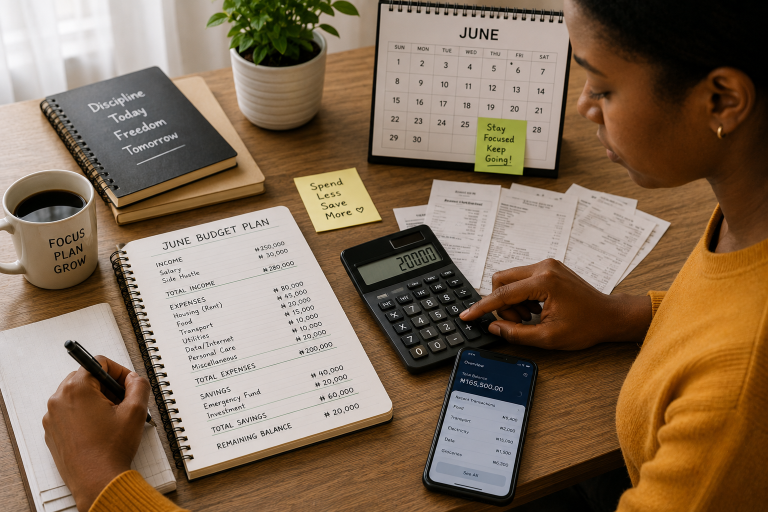
Your daily habits determine the direction of your life. You can’t expect to change your future if your habits stay the same. Small, consistent habits compound over time into major results.
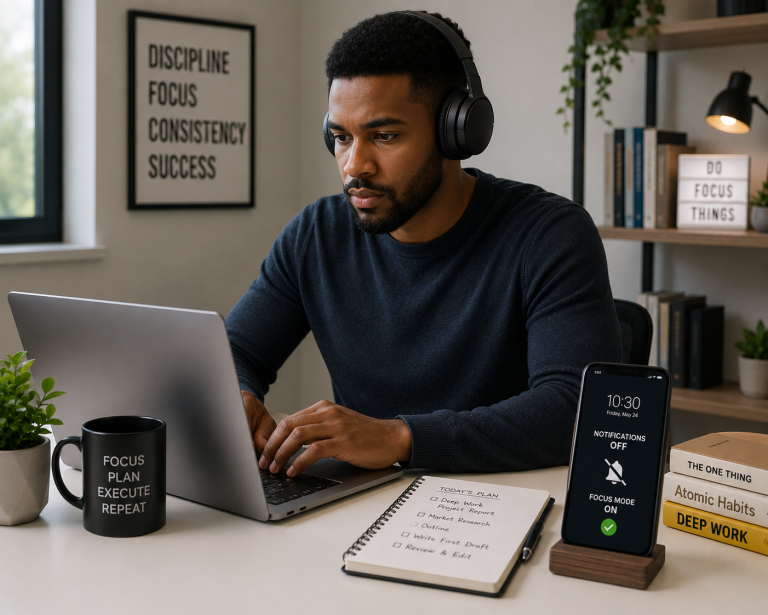
Start with what matters most to you. If your best self is calm and focused, build habits that promote peace — like meditating or journaling. If your best self is fit and energetic, commit to moving your body every day, even for 15 minutes. The goal isn’t to do everything perfectly, but to stay consistent.
James Clear, author of Atomic Habits, explains that success is the product of daily systems, not massive goals. When you make small improvements every day, your identity begins to shift. You start to see yourself as capable, strong, and disciplined — and your best self starts to feel real, not distant.
Letting Go of Comparison
One of the biggest barriers to being your best self is comparison. It’s natural to look at others and feel like you’re behind. Social media makes it worse by showing everyone’s highlight reel. But comparison is a trap that steals your joy and focus.
Remember: your journey is unique. You can’t compare your beginning to someone else’s middle. Instead of competing with others, compete with your past self. Celebrate your progress — even if it’s small. Growth doesn’t have to be loud or visible. Sometimes, the quiet victories are the most powerful.
Emotional and Mental Growth
Being the best version of you isn’t just about achievements; it’s also about emotional resilience and mental clarity. Emotional intelligence — the ability to understand and manage your emotions — is key to personal growth.
It means learning to pause before reacting, forgiving yourself for mistakes, and treating others with empathy. When you work on emotional growth, you handle challenges better. You stop letting stress or anger control your life.
According to the American Psychological Association, emotional intelligence can improve relationships, decision-making, and overall mental health. So being your best self isn’t just about doing more — it’s about being more: more compassionate, more patient, and more grounded.
Physical Health and Self-Care
Your physical well-being directly affects your ability to grow and thrive. You can’t be your best self if your body is constantly tired or neglected. Exercise, sleep, and nutrition aren’t luxuries — they’re foundations.
You don’t need to become a gym enthusiast or follow a strict diet. Start simple. Walk daily, stretch, drink more water, and get enough rest. Physical care is a form of self-respect. When you treat your body kindly, you send a message to yourself that you matter.
Sleep, in particular, plays a huge role. Studies from Harvard Health show that lack of sleep can affect mood, focus, and decision-making. If you want to feel more motivated and confident, start by improving your sleep routine.
Surrounding Yourself with Growth
The people you spend time with can either lift you higher or drain your energy. Surround yourself with those who encourage you to grow. Positive relationships can make a huge difference in how you see yourself and what you believe is possible.
If your circle is full of negativity or constant drama, it’s okay to set boundaries. Growth sometimes requires space — and that’s perfectly fine. You deserve people who celebrate your progress, not those who guilt you for changing.
As motivational speaker Jim Rohn once said, “You are the average of the five people you spend the most time with.” So choose wisely.
Redefining Success
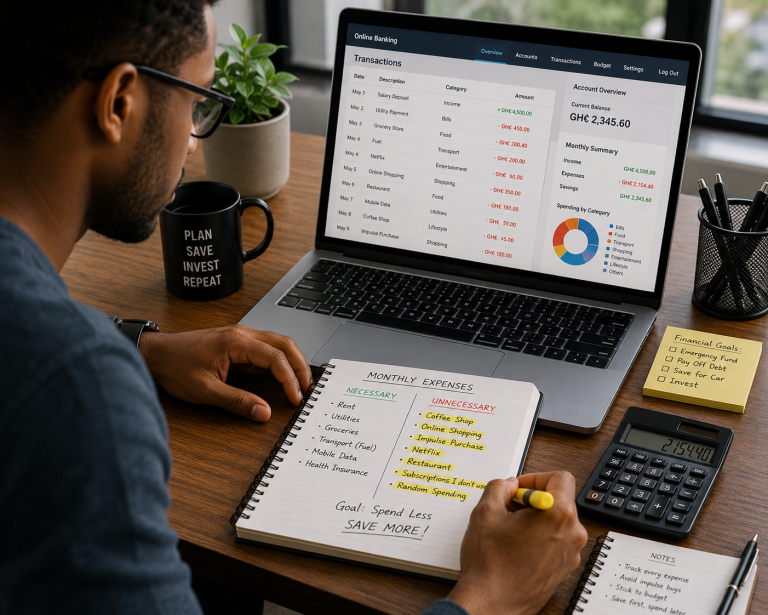
Many people tie the idea of their “best self” to material success — more money, fame, or followers. But real success is much deeper. It’s about feeling fulfilled, living with purpose, and being at peace with who you are.
Ask yourself what success truly means to you. Maybe it’s spending more time with your family, doing creative work, or helping others. The best version of you isn’t about how much you have — it’s about how aligned you feel with your values.
When you stop chasing other people’s definitions of success, you gain freedom. You start living for yourself, not for approval.
Overcoming Setbacks
Even when you’re doing your best, life will throw challenges your way. Setbacks don’t mean failure — they’re part of growth. Every mistake, every delay, teaches you something valuable.
When things go wrong, ask: what can I learn from this? How can I handle it better next time? Growth happens in these moments of discomfort. Your best self isn’t someone who never falls — it’s someone who gets back up every time.
Living Authentically
At the end of the day, being your best self is about authenticity. It’s about living in a way that feels true to who you are. When your actions match your beliefs, you feel balanced and confident.
Authenticity doesn’t mean being perfect — it means being real. It means owning your story, flaws and all, and still choosing to show up fully.
When you live authentically, you attract the right opportunities, people, and experiences. You stop pretending and start thriving.
Conclusion
Being the best version of yourself isn’t a destination — it’s a journey. It’s about making small choices each day that align with your values, goals, and happiness. It’s about progress, not perfection.
You grow when you choose honesty over fear, self-discipline over comfort, and self-love over doubt. You become your best self not by being flawless, but by being real.
So take one small step today — read that book, call that friend, take that walk, or simply rest. Each choice builds the version of you that feels more confident, fulfilled, and alive.
Because the best version of you isn’t someone you have to find. It’s someone you create, one choice at a time.