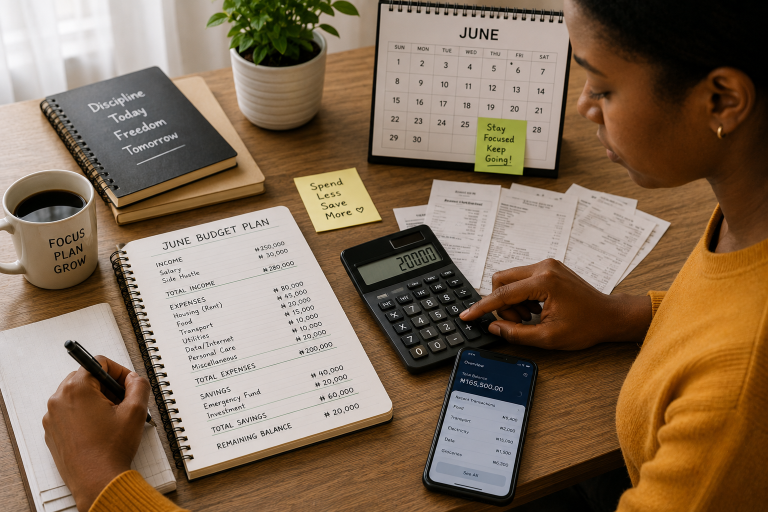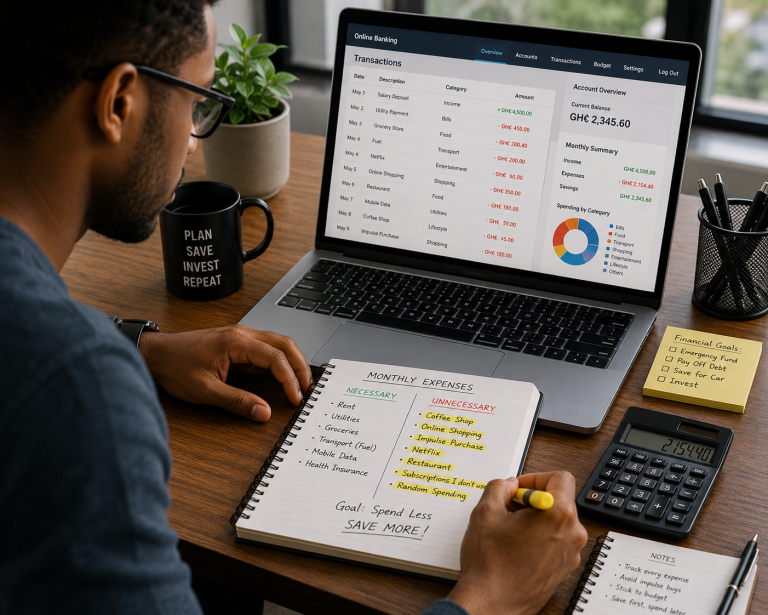

Managing money effectively is one of the biggest challenges people face today. Many struggle to save, not because they don’t earn enough, but because they lack a simple system to organize their finances. This is where the 50/30/20 rule comes in. It’s a straightforward budgeting framework that helps you allocate your income in a balanced way so you can cover necessities, enjoy life, and save for the future. By applying this rule, you can reduce financial stress, improve money habits, and gradually grow your savings—even if you feel like you’re barely making ends meet.
The beauty of the 50/30/20 rule is its simplicity. It doesn’t require complex calculations, expensive apps, or financial degrees to implement. All it requires is a clear understanding of your income, your spending habits, and your priorities. Once you get the hang of it, you’ll see how small, consistent actions can make a huge difference in your financial health.
Understanding the 50/30/20 Rule
The 50/30/20 rule divides your after-tax income into three main categories. Fifty percent goes to necessities, thirty percent to wants, and twenty percent to savings and debt repayment. This framework helps you maintain a balance between covering essential expenses, enjoying life, and preparing for the future.
Necessities include rent, utilities, groceries, transportation, insurance, and anything that is essential for your day-to-day living. Wants are discretionary expenses like dining out, entertainment, hobbies, or non-essential shopping. Savings and debt repayment cover building an emergency fund, contributing to retirement accounts, and paying off high-interest debt.
By visually allocating your money this way, the 50/30/20 rule gives you a clear structure. It prevents overspending, encourages disciplined saving, and ensures that you’re not neglecting any important aspect of your financial life.
Calculating Your Budget
The first step to using the 50/30/20 rule is understanding your net income—your take-home pay after taxes. Once you know this number, you can divide it according to the rule. For example, if your monthly income is $3,000, you would allocate $1,500 for necessities, $900 for wants, and $600 for savings or debt repayment.
While these percentages are guidelines rather than strict rules, they provide a starting point. You may need to adjust based on your personal situation. For instance, if you live in a city with high rent, your necessities might take up more than 50%, meaning you would need to adjust your wants or find ways to save elsewhere. The key is to stay flexible while keeping the general balance in mind.
Managing Necessities
The necessities category, which accounts for fifty percent of your income, is the foundation of the 50/30/20 rule. To maximize your budget, it’s important to control these costs wherever possible. Consider strategies like cooking at home instead of ordering takeout, using public transportation or carpooling, and comparing insurance plans for the best rates.
Even small adjustments can free up money for savings. For example, swapping a premium cable subscription for a cheaper streaming service or negotiating your rent can reduce expenses significantly. The goal isn’t to deprive yourself but to make necessities more manageable, ensuring you can comfortably stick to the 50/30/20 allocation.
Allocating for Wants
The thirty percent allocated to wants is where you get to enjoy life. This category is important because a budget that’s too restrictive can lead to burnout or overspending elsewhere. You can use this portion for hobbies, dining out, travel, or entertainment.
To stay within this allocation, it helps to track discretionary spending. Use apps, spreadsheets, or even a simple notebook to monitor how much you spend on wants each month. You might be surprised at how quickly small purchases like coffee runs, subscription services, or impulse shopping add up. Keeping this in check ensures that your budget remains balanced and you don’t overshoot your spending limits.
Saving and Debt Repayment
The twenty percent for savings and debt repayment is arguably the most powerful part of the 50/30/20 rule. This portion helps you build an emergency fund, save for retirement, and reduce high-interest debt. Even if twenty percent seems small, consistent contributions compound over time, leading to financial security and freedom.
If you’re broke or living paycheck to paycheck, start small. Even setting aside $50 or $100 a month is a good beginning. Automating your savings ensures consistency, and over time, you can gradually increase the percentage as your income grows or expenses decrease.
Paying off high-interest debt first is also essential. By reducing interest payments, you free up more money for actual savings, accelerating your financial progress. This combination of saving and debt repayment ensures that your financial growth is steady and sustainable.
Adjusting the 50/30/20 Rule to Your Life
While the 50/30/20 rule provides a simple framework, personal circumstances might require adjustments. For example, if you have student loans, medical bills, or other significant obligations, your savings percentage might temporarily decrease. The important thing is to maintain a mindset of progress, not perfection.
Flexibility is key. Adjust your allocations based on changing circumstances while keeping the principle of balancing necessities, wants, and savings intact. The goal is consistency, not rigid adherence to percentages. Even a modified 40/30/30 or 50/20/30 distribution can work as long as it supports your financial health.
Tracking Your Progress
To make the 50/30/20 rule effective, you need to track your spending and savings. Keep a monthly log of all expenses, categorize them, and compare them to your planned allocations. This not only helps you stay on track but also highlights areas for improvement.
Many budgeting apps, like Mint, YNAB (You Need a Budget), or PocketGuard, provide built-in tracking and analysis tools. These apps can show you where your money is going in real time and help you make adjustments before overspending occurs. Visualizing your progress also provides motivation and reinforces good financial habits.
Benefits of Using the 50/30/20 Rule
The 50/30/20 rule simplifies budgeting and brings clarity to your financial life. By following it, you avoid the stress of overspending, make consistent progress toward financial goals, and maintain a healthy balance between living for today and planning for tomorrow.
This rule is particularly effective for beginners because it removes guesswork. Instead of trying to track every dollar obsessively or sticking to a rigid budget, you use a simple framework that is easy to remember and implement. Over time, this builds a habit of disciplined financial management.
Combining the Rule with Other Savings Strategies
The 50/30/20 rule works best when combined with other smart money habits. For instance, creating an emergency fund ensures you are prepared for unexpected expenses. Tracking subscriptions and eliminating unused services frees up money for savings. Negotiating bills, meal prepping, and avoiding impulse purchases complement the 50/30/20 allocations and maximize their effectiveness.
Additionally, consider automating your savings and investing in low-cost options like index funds or retirement accounts. This ensures that your savings grow over time, not just sit idle in a checking account. By layering strategies, you turn a simple budgeting rule into a comprehensive financial plan.
Real-Life Application
Take Anna, a graphic designer earning $3,500 per month after taxes. Using the 50/30/20 rule, she allocates $1,750 for necessities, $1,050 for wants, and $700 for savings and debt repayment. By monitoring her spending, she finds that she spends $200 less on wants monthly by meal prepping and cutting unnecessary subscriptions. She uses the freed-up money to pay down credit card debt faster, freeing her from interest payments and boosting her savings.
Similarly, Mark, a college student, applies the 50/30/20 rule to manage a part-time job income. He uses $600 for essentials like food and transportation, $360 for social activities, and $240 for savings. Small actions, like automating transfers to a savings account, help him build an emergency fund gradually while still enjoying his life.
These examples show that the 50/30/20 rule is practical and adaptable, whether you’re starting from zero or trying to optimize an existing budget.
Overcoming Challenges
Even with a clear system, challenges will arise. Unexpected bills, fluctuating income, or lifestyle changes can disrupt the 50/30/20 allocations. The key is to view budgeting as a flexible tool rather than a rigid rule. Adjust percentages temporarily if needed, but always return to the framework as soon as possible.
Avoid guilt over occasional overspending. Budgeting is a journey, not a punishment. Celebrate progress and use setbacks as opportunities to learn and improve. This mindset ensures that the 50/30/20 rule remains sustainable and effective in the long term.
Final Thoughts
The 50/30/20 rule is one of the simplest and most effective ways to organize your finances. By dividing your income into necessities, wants, and savings, you create a balanced approach to spending and saving. Even if you feel stretched financially, applying this rule helps you take control, reduce stress, and build wealth gradually.
Consistency, tracking, and flexibility are the keys to success. Start with small steps, make adjustments as needed, and watch how the 50/30/20 rule transforms your ability to save money every month. With discipline and patience, you can achieve financial stability, enjoy life responsibly, and make meaningful progress toward your financial goals.