Finding balance between earning and enjoying life is something almost everyone struggles with at some point. In today’s fast-paced world, many people feel trapped in a cycle of working long hours, chasing promotions, or worrying about bills, all while life seems to pass them by. The challenge isn’t just about making money; it’s about finding a way to earn enough to live comfortably while still having time, energy, and freedom to enjoy your life. Learning how to find balance between earning and enjoying life requires a combination of financial awareness, lifestyle design, and self-reflection.
The struggle often begins with a misunderstanding of what success truly means. Society tends to equate achievement with income, career growth, or possessions, but happiness and fulfillment are rarely found in bank statements alone. To strike a balance, it’s essential to define what “enjoying life” means for you personally. For some, it’s spending quality time with family and friends. For others, it might be traveling, pursuing hobbies, or simply having free time to relax without guilt. Understanding your priorities is the first step toward creating a life that harmonizes earning and enjoyment.
Understanding the Cost of Living and Financial Goals
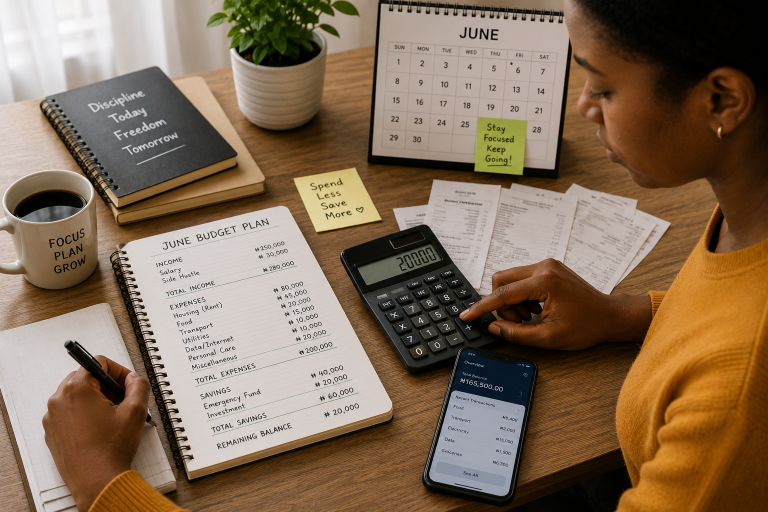
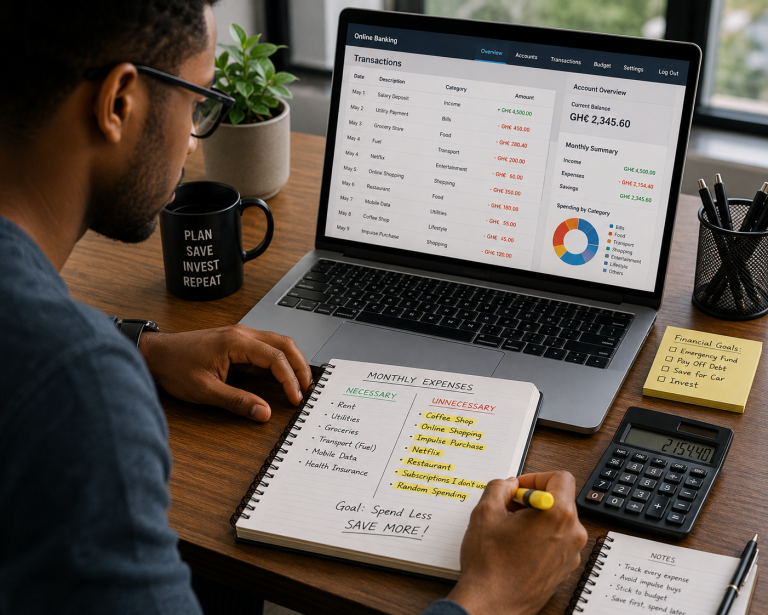
One of the biggest barriers to achieving balance is financial pressure. High rent, debt, or unexpected expenses can make anyone feel forced to work long hours. That’s why creating a clear picture of your income and expenses is essential. Start by tracking your spending, calculating your monthly bills, and setting realistic financial goals.
By knowing exactly how much money you need to cover necessities and maintain a comfortable lifestyle, you can make smarter decisions about work and savings. This financial awareness helps you avoid overworking and allows you to allocate resources to activities that bring joy. It’s about making your money work for you, not letting it dictate your entire life.
Redefining Work and Productivity
Finding balance between earning and enjoying life also requires a shift in mindset around work. Productivity isn’t just about working longer hours—it’s about working smarter. Many people believe that staying late at the office or constantly checking emails is the key to success, but this often leads to burnout without improving results.
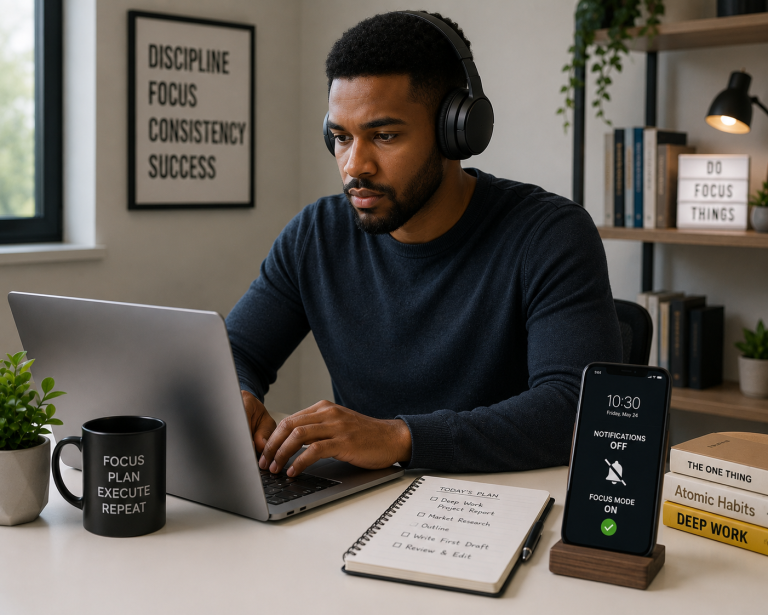
Prioritize high-impact tasks and focus on outcomes rather than hours spent. Streamlining your work processes, delegating when possible, and setting clear boundaries between work and personal time are critical. When work is efficient and purposeful, you can maintain your income while freeing up time to enjoy life.
Setting Boundaries and Protecting Time
One of the most common mistakes people make is letting work consume all their time. Whether it’s staying late, answering emails at night, or taking on extra projects, failing to set boundaries can erode the quality of life. Learning to say no and protect your personal time is essential to maintain the balance between earning and enjoying life.
Boundaries aren’t selfish—they are a form of self-care and a strategy to sustain long-term productivity. Schedule time for rest, hobbies, social connections, and personal growth just as you schedule work tasks. By treating personal time as non-negotiable, you ensure that earning doesn’t come at the expense of living.
Exploring Flexible Work Options
Modern work offers more flexibility than ever before. Remote work, freelancing, and part-time opportunities allow you to design a schedule that aligns with your lifestyle priorities. Even within a traditional job, negotiating flexible hours or occasional work-from-home days can provide breathing room and reduce stress.
Flexible work arrangements also make it easier to pursue multiple income streams without feeling overwhelmed. For example, you could maintain a stable job while freelancing or monetizing hobbies, creating additional revenue without sacrificing life enjoyment. This approach helps balance earning with meaningful experiences and personal growth.
Prioritizing Experiences Over Things
A key principle in finding balance between earning and enjoying life is to prioritize experiences rather than possessions. While money can buy material items, research shows that memorable experiences—travel, learning, time with loved ones—have a lasting impact on happiness.
Allocating a portion of your earnings to experiences that matter to you ensures that your hard work translates into fulfillment. Even small activities, like weekend trips, attending concerts, or exploring new hobbies, provide joy and prevent the feeling that life is passing by while you work.
Building Financial Security for Peace of Mind
Financial insecurity is a major source of stress that disrupts the balance between earning and enjoying life. By building an emergency fund, paying down debt, and investing wisely, you can reduce anxiety and make choices that support both income and leisure.
A strong financial foundation allows you to take calculated risks, like pursuing a new career, starting a side business, or traveling. It also prevents the constant pressure to overwork, making it easier to enjoy life without guilt. Saving consistently—even small amounts—can provide long-term freedom and a sense of control over your time.
Avoiding Burnout Through Self-Care
Working hard is important, but overworking leads to burnout, which ultimately reduces both earning potential and quality of life. Incorporating regular self-care practices—adequate sleep, exercise, mindfulness, and leisure—supports mental and physical health, boosting energy and productivity.
Burnout often results from neglecting personal needs in pursuit of income. By actively scheduling self-care and rest, you maintain the capacity to work effectively while still having the energy to enjoy life. This sustainable approach ensures that your efforts to earn don’t diminish your well-being.
Creating Multiple Streams of Income
Another strategy to achieve balance between earning and enjoying life is diversifying your income. Relying on a single paycheck can force long hours and limit flexibility. Side hustles, freelance work, online businesses, or passive income sources can supplement your main income, giving you more freedom to adjust work-life priorities.
For example, someone with a stable job could start a freelance gig or sell handmade products online. Over time, these additional streams provide flexibility and security, allowing you to reduce hours at your main job or pursue passions without financial strain. Multiple income streams provide both monetary stability and the freedom to live life on your terms.
Learning to Delegate and Outsource
Many people feel the need to do everything themselves, whether at work or home, which leads to exhaustion. Delegating tasks, outsourcing chores, or using tools and technology to streamline repetitive tasks can free up significant time.
By investing in efficiency, you create space to focus on activities that matter most—both professionally and personally. This balance between productivity and leisure is essential to avoid burnout and ensure that earning money doesn’t consume your life.
Mindset Shifts for Long-Term Balance
Ultimately, finding balance between earning and enjoying life is as much a mindset as it is a practical strategy. This involves recognizing that work is a tool for supporting life, not the purpose of life itself. Cultivating gratitude, celebrating small wins, and appreciating everyday moments helps maintain perspective and prevents the trap of endless striving.
Shifting your mindset also involves challenging societal pressures that equate worth with income or status. Success should be measured by the quality of your life, the experiences you enjoy, and the freedom to make choices that align with your values. By focusing on these priorities, you maintain the delicate balance between work and life.
Real-Life Examples
Take Sarah, a marketing professional, who realized she was spending most of her life at the office and missing family moments. She started tracking her expenses, building a small emergency fund, and exploring freelance opportunities. By negotiating flexible work hours and dedicating time to hobbies, she found a rhythm where she earned a stable income while enjoying weekends and vacations without stress.
Similarly, John, a software engineer, diversified his income by creating online courses in his spare time. He automated portions of his savings and invested in tools to streamline work tasks. Over a few years, John reduced his work hours at his main job while maintaining financial security, demonstrating that careful planning allows both earning and enjoying life.
These examples show that balance is achievable with intentional choices, disciplined planning, and consistent effort.
Final Thoughts
Finding balance between earning and enjoying life is a lifelong process that combines financial planning, time management, self-care, and mindset shifts. It’s about making intentional choices that allow you to earn enough to meet your goals while still reserving time and energy for experiences, relationships, and personal growth.
By tracking finances, building security, creating multiple income streams, and prioritizing well-being, you can avoid the trap of overwork and burnout. Balance doesn’t happen overnight, but with patience, discipline, and reflection, it is entirely achievable. Learning to harmonize work and life ensures that your hard-earned money supports a fulfilling, joyful, and meaningful existence.