The desire to live a life of freedom and flexibility is something many people dream about but few achieve. The concept isn’t just about quitting your job or traveling constantly—it’s about intentionally structuring your work, finances, and daily habits to give yourself control over your time, energy, and priorities. Designing such a life requires clarity, planning, and consistent action, and it’s achievable whether you’re a corporate employee, an entrepreneur, or a freelancer. Understanding what freedom truly means, why flexibility matters, and how to build systems that support this lifestyle is the first step toward creating a life that feels purposeful, fulfilling, and independent.
Freedom and flexibility are deeply intertwined. Freedom is the ability to choose how you spend your time and energy, while flexibility is the ability to adapt those choices in real time without being constrained by rigid structures. Most people confuse freedom with simply having money or leaving their 9-to-5, but true freedom requires designing a life where your decisions align with your values and long-term goals. Flexibility adds the practical layer—enabling you to adjust your schedule, work methods, and lifestyle without stress or chaos. Together, they form the foundation of a life that prioritizes autonomy and well-being.
Clarifying What Freedom Means to You
The first step in designing a life of freedom and flexibility is understanding what freedom truly means for you. For some, freedom is financial independence; for others, it is the ability to travel, spend more time with family, or pursue passion projects. Reflecting on your values and goals is crucial. Without clarity, flexibility may become aimless, and freedom may feel hollow.
Start by asking yourself questions: What would a typical day look like if I were fully free? How would I spend my mornings and evenings? What constraints currently prevent me from living this life? Answers to these questions reveal the areas of life that need redesigning—whether it’s work, finances, relationships, or personal habits. Once you have a clear vision, designing systems and routines around it becomes far easier and more effective.
Building Financial Flexibility
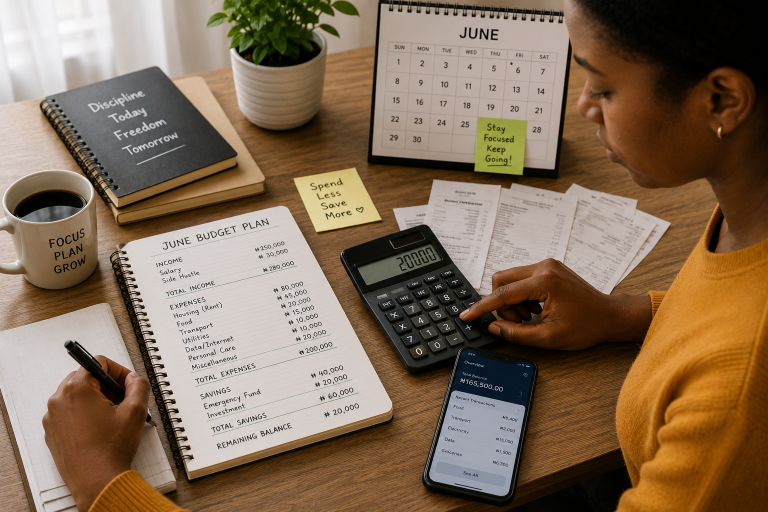
Financial stability is essential for designing a life of freedom. While freedom isn’t synonymous with wealth, having financial flexibility ensures that you aren’t forced into decisions based solely on survival. This doesn’t mean you need to be rich overnight; it means creating streams of income, managing expenses, and planning for both short-term needs and long-term goals.
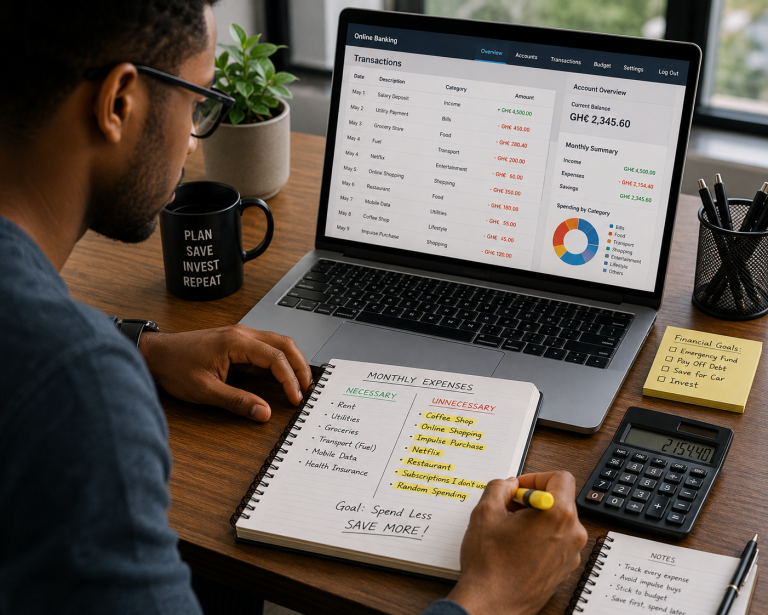
Start by tracking your income and expenses. Use budgeting tools like YNAB, Mint, or PocketGuard to gain visibility into your cash flow. Then focus on reducing unnecessary expenses and increasing income through side hustles, freelancing, or passive income streams. Investing wisely, paying off high-interest debts, and maintaining an emergency fund can prevent financial stress from limiting your choices. The key is to create a buffer that allows you to say “yes” to opportunities aligned with your vision and “no” to obligations that drain your energy.
Redesigning Work for Freedom
Work is often the biggest barrier to flexibility, but it can also be the lever to create it. Redesigning your work involves evaluating your current job or business and identifying areas where you can gain autonomy over time, location, and responsibilities. For employees, this might mean negotiating flexible hours, remote work, or project-based responsibilities. For entrepreneurs, it could involve delegating, automating, or outsourcing tasks to free up your time.
The concept of work-life integration is central to this process. Instead of treating work as a rigid segment of your day, integrate it around your life goals. Tools like Trello, Notion, or Asana can help organize projects efficiently, while time-blocking techniques allow you to prioritize high-value tasks. The objective is to create a workflow that supports your desired lifestyle, rather than one that consumes it.
Prioritizing Health and Energy
True freedom isn’t enjoyable if your body and mind aren’t functioning well. Health is a critical component of a life that is both flexible and sustainable. Without energy, freedom is meaningless. Creating routines that support physical fitness, mental well-being, and restorative rest is essential.
Simple strategies like regular exercise, mindful eating, hydration, and consistent sleep create the foundation for sustainable energy. Mental health practices—such as meditation, journaling, or mindfulness—help reduce stress and enhance focus. The combination of physical and mental wellness ensures you can fully engage with your work and life choices without feeling drained or overwhelmed.
Creating a Flexible Daily Routine
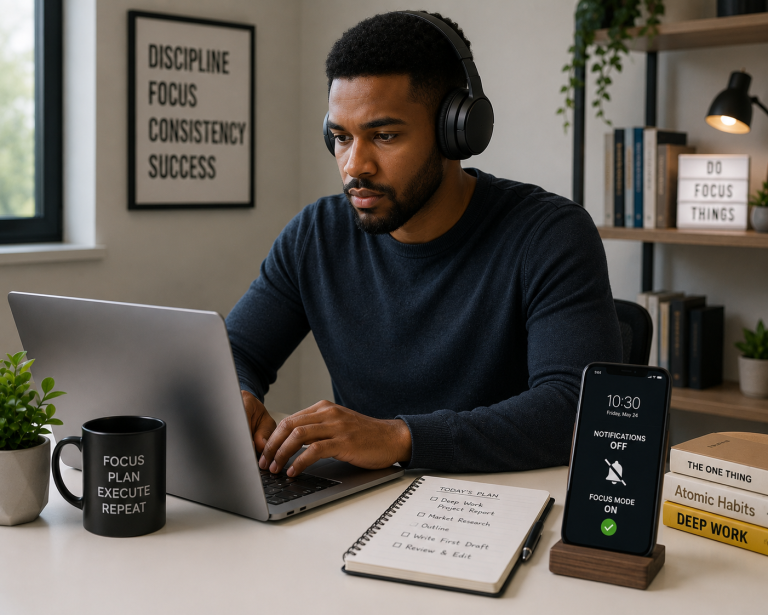
A flexible lifestyle requires routines that provide structure without rigidity. Time-blocking and habit stacking are practical techniques. Time-blocking divides your day into chunks for specific activities, while habit stacking links new habits to existing ones for consistency. For example, a morning routine might include a short workout, journaling, and checking emails. The key is to prioritize what matters most while leaving space for spontaneity and creativity.
Flexibility also involves contingency planning. Travel delays, urgent work tasks, or family responsibilities can disrupt even the best-laid plans. Designing routines that are adaptable ensures that unexpected events don’t derail your day or create unnecessary stress.
Leveraging Technology for Freedom
Technology is a powerful enabler of freedom and flexibility. Online banking, automation tools, remote work platforms, and cloud-based storage allow you to manage finances, work, and personal life from anywhere. Automation can reduce the time spent on repetitive tasks, whether it’s scheduling social media posts, paying bills, or sending invoices.
Using digital tools strategically can expand your ability to work remotely, track progress, and collaborate effectively. For instance, cloud storage platforms like Google Drive or Dropbox keep important files accessible, while project management tools like Asana or Monday.com streamline workflows. Technology doesn’t just make work easier—it liberates time for experiences and choices that matter most.
Setting Boundaries and Protecting Time
Freedom isn’t just about doing what you want—it’s about protecting your time and energy. Learning to say “no” is essential. Boundaries prevent burnout, maintain focus, and preserve flexibility. This might mean declining social invitations that don’t align with priorities, limiting email and social media usage, or avoiding overcommitment in work projects.
Creating physical and mental boundaries is equally important. A dedicated workspace at home or a quiet corner in a shared environment can signal focus and productivity. Similarly, intentional breaks and time-off routines prevent fatigue and allow for rejuvenation. Boundaries create the mental space necessary to truly enjoy the flexibility you’re designing.
Designing a Lifestyle Around Experiences
Freedom and flexibility are amplified when life is designed around experiences rather than possessions. Travel, learning, hobbies, and meaningful relationships enrich life and provide fulfillment that money alone cannot buy. Incorporating experiences into daily routines—whether exploring a new neighborhood, learning a skill, or spending time with loved ones—enhances overall satisfaction and makes your lifestyle intentional rather than reactive.
Focusing on experiences also reduces attachment to material goods, which can increase flexibility. With fewer possessions to manage, relocate, or maintain, you gain more freedom to move, travel, or pivot your lifestyle without logistical constraints.
Building a Supportive Community
Even the most independent life benefits from a supportive network. Surrounding yourself with like-minded individuals, mentors, and friends who value freedom and flexibility can provide inspiration, accountability, and practical advice. Online communities, local meetups, and mastermind groups offer platforms to share experiences, learn strategies, and maintain motivation.
Social support also strengthens resilience during challenges. Freedom isn’t about isolation; it’s about having connections that respect your lifestyle while providing guidance and encouragement. A strong network ensures you can enjoy autonomy without feeling disconnected or unsupported.
Overcoming Fear and Resistance
Designing a life of freedom and flexibility often involves stepping outside comfort zones. Fear of uncertainty, financial insecurity, or judgment can prevent action. Addressing these fears requires mindset shifts. Viewing challenges as opportunities for growth, breaking down large goals into manageable steps, and celebrating small wins build confidence over time.
Experimentation is part of the process. Testing different work arrangements, travel plans, or routines helps identify what truly supports your vision of freedom. Flexibility means you can adjust and refine your approach without fear of failure.Maintaining Long-Term Flexibility
True flexibility is sustainable over time. It requires consistent evaluation and adaptation. Life circumstances change, markets fluctuate, and priorities evolve. Regularly reviewing your finances, work setup, health habits, and personal goals ensures that your lifestyle remains aligned with your vision of freedom.
Journaling, reflection, and goal-setting are practical ways to maintain awareness. By continually adjusting routines and strategies, you can preserve the balance between freedom, flexibility, and responsibility over the long term.
Conclusion
Designing a life of freedom and flexibility is a deliberate process that combines financial planning, purposeful work, intentional routines, and supportive relationships. It is not about escaping responsibilities but about creating a lifestyle where you control your time, energy, and priorities. By clarifying what freedom means to you, managing finances wisely, redesigning work, prioritizing health, and leveraging technology, you can achieve a life that offers both autonomy and fulfillment.
Flexibility enhances freedom by allowing you to adapt to life’s changes without losing balance or focus. With mindset shifts, consistent action, and intentional design, you can create a lifestyle that truly reflects your values, maximizes experiences, and provides sustainable freedom. The journey is ongoing, but each step toward alignment between choices and priorities brings you closer to living life on your own terms.