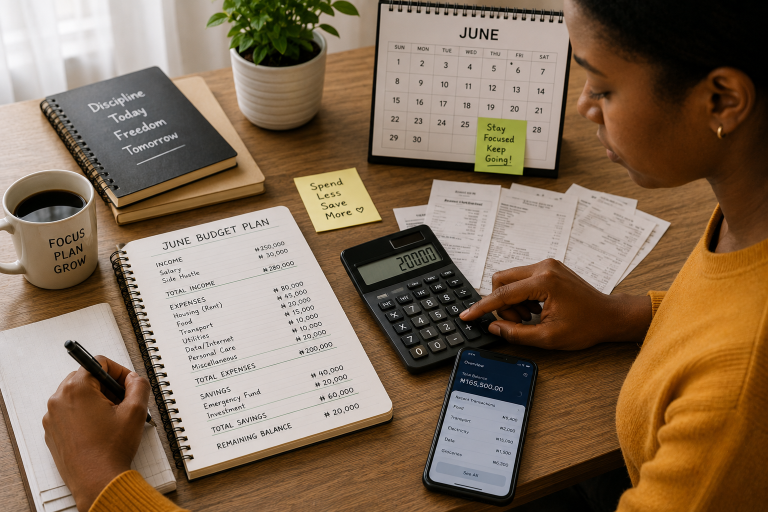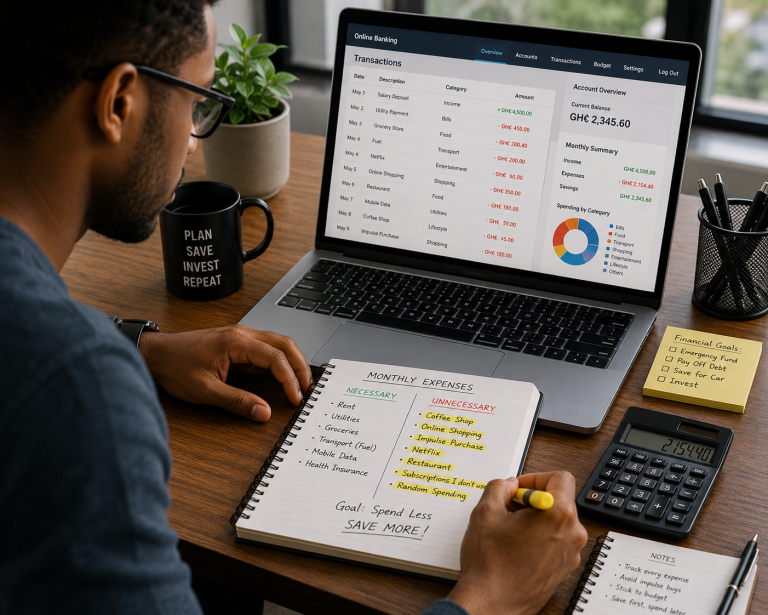

For many people, the struggle of stretching money until the end of the month is real. Even those who earn a decent income often find themselves running low before their next paycheck arrives. The challenge isn’t always about how much you earn; it’s about how you manage your money. With the right strategies, planning, and mindset, you can make your money last, reduce stress, and even save for the future.
Making money last requires understanding your spending habits, prioritizing expenses, and adopting practical habits that help you stay in control. Whether your income is steady or irregular, these principles can help you ensure that money isn’t gone before the month ends.
In this guide, we’ll cover how to track spending, plan your budget, cut unnecessary costs, manage lifestyle expenses, and build financial habits that ensure your money stretches further.
Understand Your Money Flow
The first step to making money last is understanding how it flows in and out of your hands. Many people spend money without tracking, which often leads to surprises when the month ends. Start by recording every income and every expense, no matter how small.
By monitoring your money flow, you’ll see where most of your income is going, identify unnecessary spending, and gain a clearer picture of your financial reality. Simple tracking can be done using budgeting apps, spreadsheets, or even a notebook. This awareness is the foundation for lasting financial control.
Create a Realistic Budget
A realistic budget is the backbone of making money last. It allows you to plan for essential expenses, anticipate bills, and allocate money for savings and discretionary spending.
Begin by listing all your essential monthly expenses, such as rent, utilities, groceries, transportation, and insurance. Then, subtract these from your income to see what’s left for discretionary spending. Knowing these numbers helps prevent overspending and ensures that money is available throughout the month.
When creating your budget, be honest about lifestyle habits and spending patterns. Avoid overestimating what you can spend; underestimating is safer and encourages saving.
Prioritize Essentials First
Making money last starts with prioritizing essentials. Your essential expenses—food, housing, transportation, and bills—should always come first. Paying for essentials before any other spending ensures that you cover the basics, even if other expenses must wait.
Many people fail to prioritize, spending on non-essentials early in the month and struggling to pay bills later. By making essentials the top priority, you prevent financial stress and maintain stability.
Use the Envelope Method
A simple yet effective method to make money last is the envelope method. This involves dividing your money into separate “envelopes” or categories for each expense. For example, one envelope for groceries, one for transportation, one for entertainment, and so on.
As you spend from each envelope, you physically or digitally see the money decreasing. Once an envelope is empty, you stop spending in that category. This approach helps control impulsive purchases and ensures money is allocated properly throughout the month.
Track Spending Daily
Tracking spending daily is a powerful habit to stretch money. Even small expenses, like a cup of coffee or snacks, add up quickly. By recording spending daily, you can identify patterns, cut unnecessary purchases, and adjust your behavior.
Many people are surprised when they see how much small, frequent purchases affect their monthly finances. Tracking keeps money in check and allows you to redirect funds to essential needs.
Plan for Weekly Expenses
Instead of thinking about money monthly, break it down weekly. Planning money in smaller time frames makes it easier to manage and reduces the risk of running out early.
For example, if you have $800 for the month after essentials, divide it into four weeks. You’ll have $200 to spend each week, helping you pace your money and make it last. Weekly planning also allows flexibility if unexpected expenses occur.
Cut Unnecessary Spending
One of the quickest ways to make money last is to identify and reduce unnecessary spending. Subscriptions you don’t use, frequent dining out, or impulse shopping are common money leaks.
Start by reviewing your spending history and identify areas where money could be saved. Simple changes, like cooking at home, using public transport, or limiting online shopping, can make a significant difference. Every small reduction contributes to stretching money further.
Set Limits for Discretionary Spending
Discretionary spending—non-essential items like entertainment, clothing, or dining out—can quickly deplete your money if not managed. Set strict limits for these expenses and stick to them.
One strategy is to allocate a fixed amount each month for discretionary spending. Treat this money as a “fun budget” that you cannot exceed. This helps balance enjoying life and staying financially responsible.
Build an Emergency Buffer
Unexpected expenses are often the reason money disappears before the month ends. Building an emergency buffer can prevent these surprises from derailing your budget.
Even a small emergency fund of $200–$500 can help cover sudden car repairs, medical costs, or home emergencies without touching money for essentials. Over time, this fund can grow to cover larger emergencies, providing stability and peace of mind.
Plan Meals and Grocery Shopping
Food is a major monthly expense, and planning meals can stretch money significantly. By creating a weekly meal plan and shopping list, you avoid unnecessary purchases and reduce waste.
Buying in bulk, choosing seasonal produce, and cooking at home are practical strategies to lower grocery costs. Meal planning not only saves money but also helps maintain a healthier lifestyle.
Use Cash for High-Risk Spending
Using cash for certain expenses can make your money last longer. Paying with cash creates a tangible sense of spending, making it easier to avoid overspending.
For example, withdrawing a set amount of cash for entertainment or groceries each week can help stick to your budget. Once the cash is gone, you know the money for that category is spent, reducing the risk of overspending.
Track Fixed and Variable Expenses
Understanding fixed and variable expenses is essential for stretching money. Fixed expenses, like rent and utilities, stay the same each month. Variable expenses, like dining out, gas, and shopping, can be adjusted based on your available funds.
Focusing on reducing variable expenses during tight months can make money last. Even small adjustments, like carpooling or reducing energy usage, contribute to longer-lasting funds.
Avoid Impulse Purchases
Impulse purchases are one of the biggest threats to money management. Social media ads, flash sales, or peer influence can make you spend without thinking.
To counter this, implement a “cooling-off” period. Wait 24–48 hours before buying non-essential items. Often, the urge passes, and you avoid unnecessary spending. This simple habit can save hundreds of dollars monthly.
Automate Bill Payments
Automating essential bill payments ensures that you don’t accidentally overspend on other things and run out of money. Scheduled payments for rent, utilities, insurance, and subscriptions guarantee that essentials are covered first.
Automation also reduces stress, prevents late fees, and keeps your finances organized. You can still manually manage discretionary spending while essential bills are handled automatically.
Increase Your Income Strategically
Sometimes, stretching money alone isn’t enough. Finding ways to increase income can provide more flexibility and make money last comfortably. Side hustles, freelance work, online gigs, or selling unused items can supplement your primary income.
Even small extra earnings can ease tight months and allow more money for essentials, savings, or discretionary spending. Increasing income strategically complements budgeting efforts and strengthens financial security.
Review and Adjust Your Budget Regularly
Making money last requires ongoing effort. Life circumstances, income changes, and unexpected expenses can impact your plan. Reviewing your budget weekly or monthly allows adjustments, ensuring your money stretches effectively.
During review, ask yourself: Did I overspend in any category? Are there expenses I can reduce? How can I allocate funds more effectively next month? Regular adjustments prevent surprises and keep your finances on track.
Focus on Financial Goals
Stretching money until the end of the month isn’t just about surviving; it’s about building a foundation for long-term financial goals. Saving for emergencies, paying off debt, or investing requires disciplined money management.
When you focus on goals, budgeting becomes more than a survival strategy—it becomes a tool for financial growth. Every dollar saved or wisely spent brings you closer to achieving your objectives.
Conclusion
Making your money last till the end of the month is possible with intention, planning, and discipline. By understanding your money flow, creating a realistic budget, prioritizing essentials, and controlling discretionary spending, you can maintain financial stability even in tight months.
Practical strategies like tracking spending daily, planning weekly, using cash for high-risk categories, and building an emergency fund are simple yet powerful ways to stretch money. Automation, income diversification, and consistent review ensure that your money works efficiently for you.
Ultimately, making money last is about mindset as much as it is about strategy. With awareness, discipline, and smart financial habits, you can take control of your money, reduce stress, and build a foundation for long-term security and growth.