
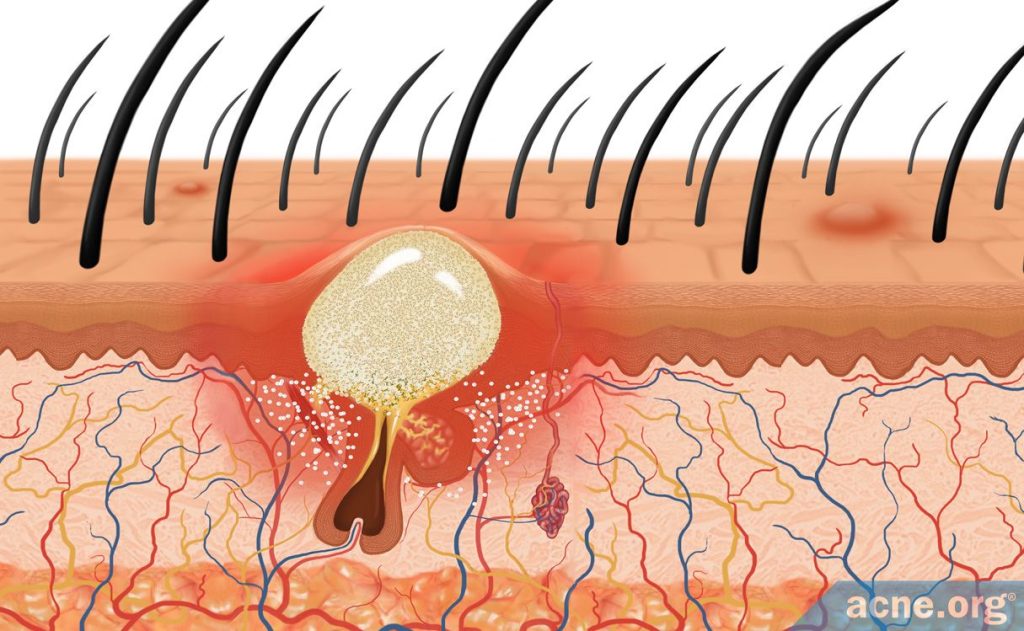
Have you ever run your fingers through your hair only to feel a painful bump on your scalp? Pimples on the scalp can be surprising and uncomfortable, often leaving us wondering where they came from and how to make them disappear. While it’s more common to think of pimples on the face, acne can appear anywhere on the body, including the scalp.
In this article, I’ll walk you through the causes of pimples on the scalp and share natural remedies that can help you treat and prevent them without using harsh chemicals. Let’s dive in!
What Causes Pimples on the Scalp?
Scalp pimples can be caused by a variety of factors. Just like acne on other parts of the body, scalp pimples usually occur when hair follicles or pores get clogged by oil, dead skin cells, and bacteria. Here are some of the most common reasons pimples appear on the scalp:
1. Excessive Oil Production
The scalp naturally produces sebum (oil) to keep your skin and hair moisturized. However, when your scalp produces too much oil, it can clog hair follicles, leading to pimples. This is especially common if you have oily skin or hair.
How to Treat It:
To prevent oil buildup, wash your hair regularly with a gentle, sulfate-free shampoo. Avoid shampoos with heavy oils, which can make the problem worse.
2. Hair Products and Residue
Many hair products—such as gels, creams, and sprays—can build up on the scalp if not properly rinsed out. Over time, these products can clog pores and lead to scalp acne. Some ingredients in these products may also irritate your skin, causing inflammation.
How to Treat It:
Make sure you thoroughly rinse out any hair products during your shower. Look for lightweight, non-comedogenic products (those that don’t clog pores) to minimize residue. You can also try clarifying shampoos once a week to remove buildup.
3. Poor Hygiene and Sweating
If you don’t wash your hair regularly or tend to sweat a lot, sweat and dirt can accumulate on your scalp. This creates a perfect environment for bacteria to thrive, which can lead to pimples. People who wear hats, helmets, or other headgear for extended periods are also more prone to this issue, as the trapped sweat can block hair follicles.
How to Treat It:
Wash your hair after sweating to remove dirt and bacteria. If you frequently wear hats or helmets, make sure to clean them regularly to avoid transferring bacteria back to your scalp.
4. Hormonal Changes
Just like facial acne, scalp pimples can be triggered by hormonal changes, especially during puberty, pregnancy, or stress. Hormones can increase oil production, making the scalp more prone to clogged pores and breakouts.
How to Treat It:
While you can’t completely control hormonal fluctuations, maintaining a balanced diet, managing stress, and using natural remedies (which we’ll get into shortly) can help reduce the severity of scalp pimples during hormonal changes.
5. Dandruff or Scalp Conditions
Dandruff or other scalp conditions like seborrheic dermatitis can irritate the scalp, causing redness and inflammation, which may lead to pimples. When combined with excessive oil production or poor hygiene, this can worsen the problem.
How to Treat It:
Use an anti-dandruff shampoo containing natural ingredients like tea tree oil or zinc pyrithione. These ingredients can help reduce inflammation and soothe the scalp, preventing further breakouts.
Natural Treatments for Scalp Pimples
Now that we know what causes pimples on the scalp, let’s look at some natural ways to treat them. These remedies use ingredients you may already have at home and are gentle on your skin.
1. Tea Tree Oil
Tea tree oil is a natural antibacterial and anti-inflammatory agent, making it an excellent choice for treating scalp acne. It helps kill the bacteria that cause pimples and reduces inflammation.
How to Use It:
Mix a few drops of tea tree oil with a carrier oil like coconut oil and massage it into your scalp. Leave it on for 30 minutes before washing your hair. You can also look for shampoos that contain tea tree oil.
2. Apple Cider Vinegar
Apple cider vinegar has antibacterial properties that help balance the pH level of your scalp and clear clogged pores. It’s also a natural cleanser that removes product buildup.
How to Use It:
Dilute apple cider vinegar with water (about 1 part vinegar to 3 parts water) and apply it to your scalp after shampooing. Let it sit for a few minutes, then rinse thoroughly. Use this remedy 1-2 times a week.
3. Aloe Vera
Aloe vera is known for its soothing and healing properties. It helps reduce inflammation and irritation caused by pimples while promoting healthy scalp skin.
How to Use It:
Apply fresh aloe vera gel directly to your scalp and leave it on for 20-30 minutes before washing your hair. Aloe vera is safe to use as often as you like.
4. Coconut Oil
Coconut oil has antimicrobial properties that can help fight the bacteria causing scalp pimples. It also moisturizes the scalp, preventing dryness that can lead to further irritation.
How to Use It:
Massage a small amount of coconut oil into your scalp and let it sit for at least 30 minutes before washing your hair. For added benefit, you can mix in a few drops of tea tree oil.
5. Green Tea Rinse
Green tea contains antioxidants and anti-inflammatory compounds that can reduce scalp irritation and unclog pores. It’s also great for reducing excessive oil production.
How to Use It:
Brew a cup of green tea, let it cool, and use it as a rinse after shampooing your hair. Massage it into your scalp, let it sit for a few minutes, and then rinse it out. You can do this 1-2 times a week.
Prevention Tips
Preventing scalp pimples is often easier than treating them. Here are some simple steps you can take to keep your scalp clear and healthy:
- Wash your hair regularly with a mild shampoo to prevent oil buildup.
- Avoid heavy hair products that may clog your pores.
- Rinse thoroughly to remove all product residue.
- Clean your hats and headgear to prevent bacteria from transferring to your scalp.
- Maintain a healthy diet rich in fruits, vegetables, and healthy fats to support overall skin health.
Ladaup
Pimples on the scalp can be frustrating, but they’re manageable with the right approach. By understanding the causes—whether it’s excess oil, product buildup, or poor hygiene—you can take steps to treat them naturally. Using remedies like tea tree oil, apple cider vinegar, and aloe vera, along with proper scalp care, will help you achieve a healthier, clearer scalp.
Give these natural treatments a try and say goodbye to those pesky scalp pimples!
Sources for Further Research: