It feels like every week, prices keep climbing. The bread you bought for 10 cedis last month is now 12 cedis. Fuel costs more, transportation fees rise, and even basic utilities seem to eat more from your wallet. This situation, often called inflation, makes it harder to make your money last. Many people feel stressed, wondering how they’ll cover expenses or even save a little.
The truth is, you can make your money stretch even when prices rise. It takes discipline, planning, and smart decision-making. It’s about understanding how to manage your money, spotting opportunities to save, and making every cedi count. Living through rising prices doesn’t have to feel hopeless. With the right strategies, you can protect your finances and maintain peace of mind.
Understanding Why Prices Keep Rising
Before we talk about making your money stretch, it’s important to understand why prices keep going up. Inflation happens when the cost of goods and services rises over time. This could be due to global factors, supply chain problems, currency devaluation, or increased demand.
Knowing why prices rise helps you adjust your spending habits. Instead of being frustrated, you can approach your money strategically. When prices rise, your financial focus should shift from earning more to managing what you already have more effectively. Awareness is the first step toward financial resilience.
Track Every Cedi You Spend
One of the most powerful ways to make your money stretch is to track it. Many people don’t realize how fast small expenses add up. Buying snacks every day, paying for subscription services you rarely use, or overspending on non-essentials can silently drain your money.
Tracking every cedi isn’t complicated. You can use a notebook, a spreadsheet, or a mobile app. Write down everything you spend and categorize it—food, transportation, utilities, entertainment, and so on. This gives you a clear picture of where your money goes. When you know your spending patterns, you can cut unnecessary costs and redirect that money to essentials or savings.
Prioritize Needs Over Wants
When prices rise, prioritizing is essential. Needs are things you cannot do without: food, rent, utilities, healthcare, and transportation. Wants are things that are nice to have but not essential: dining out, new clothes, gadgets, or entertainment luxuries.
Many people fail to make their money stretch because they treat wants like needs. During times of rising prices, learning to delay gratification is crucial. Every cedi you save by focusing on essentials helps cover increasing costs and reduces stress. Over time, this habit of distinguishing between needs and wants strengthens your financial foundation.
Shop Smarter to Save Money
Shopping smarter is one of the most practical ways to stretch your money. Rising prices don’t mean you have to stop buying essentials—you just need to be strategic. Look for discounts, buy in bulk, use local markets, and compare prices. Even switching brands can save you money without reducing your quality of life.
Avoid impulse purchases. When you see something on sale, ask yourself if you really need it or if it’s just tempting because it seems cheaper. Coupons, loyalty programs, and bulk purchases can significantly reduce expenses over time. Smart shopping ensures your money goes further, even when costs increase.
Cut Costs Without Feeling Deprived
Many people think saving money means deprivation. That’s not true. Making your money stretch is about optimizing, not punishing yourself. Simple changes can free up money without reducing your happiness.
For example, cooking meals at home is cheaper than eating out. Using public transport instead of taxis saves money on fuel. Reducing electricity usage by switching off appliances when not in use lowers your bills. Small adjustments like these make a big difference over weeks and months. Budgeting wisely doesn’t mean misery—it means smarter use of your money.
Use a Budget as Your Financial Tool
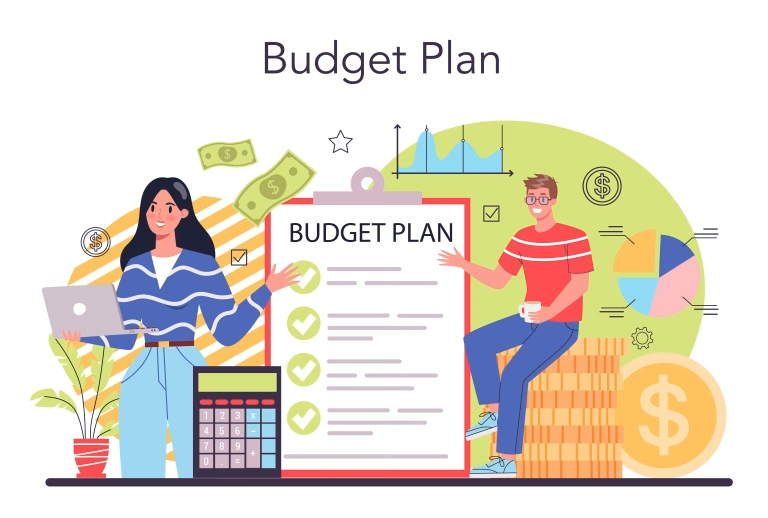
A budget is your roadmap to make money stretch. Without it, you’re spending blindly and reacting to price increases instead of managing them. A budget tells you how much you can spend on each category, helping you stay disciplined.
Start by listing your monthly income and fixed expenses. Allocate funds for food, utilities, transportation, and essential needs first. Whatever is left can go to savings, small indulgences, or emergency funds. A budget doesn’t have to be rigid—it should be flexible to adapt to rising prices, but firm enough to keep your money under control.
Avoid High-Interest Debt
Debt is a money trap, especially when prices rise. High-interest loans or credit card debts make it harder for your money to stretch because more of your income goes toward interest rather than actual needs.
If you’re using credit, be careful. Prioritize paying off existing debts and avoid taking on new ones that don’t add value. By staying out of high-interest debt, more of your money remains in your control, giving you the ability to cover essentials and save for emergencies.
Build an Emergency Fund, Even Slowly
An emergency fund may seem impossible when prices are rising, but it’s more important than ever. This is money set aside to cover unexpected costs—medical bills, car repairs, or sudden price hikes.
Start small. Even saving 10 or 20 cedis per week can grow over time. An emergency fund reduces stress and protects your money from unexpected events. When prices rise, knowing you have a financial cushion allows you to stretch your money further without panic.
Consider Side Income Streams
Making your money stretch isn’t just about cutting costs—it’s also about increasing it. Side hustles, freelance work, or small online businesses can add extra cedis to your income, giving you more flexibility during rising prices.
Even a small additional income can cover necessities, boost savings, or pay off debts faster. Think of creative ways to leverage your skills or hobbies into money-making opportunities. When prices rise, having extra streams of income protects your money and reduces reliance on a single source.
Learn to Live Below Your Means
Living below your means is a habit that stretches your money automatically. It means spending less than you earn, avoiding lifestyle inflation, and prioritizing long-term financial stability over short-term desires.
Many people fail to make their money stretch because they increase spending as income grows. Instead, keep your essential expenses low, save the extra, and focus on financial goals. Living below your means creates freedom, reduces stress, and ensures your money lasts longer, even when prices rise.
Mindset Changes That Make Money Work
The right mindset is critical when prices rise. Instead of seeing a tight budget as a burden, see it as an opportunity to improve financial skills. Ask yourself, “How can I make my money work smarter?” rather than, “Why is everything so expensive?”
Positive, proactive thinking helps you find creative ways to save and stretch your money. This mindset shift also prevents frustration, anxiety, and poor decisions during times of financial pressure. When you approach money with discipline and focus, rising prices don’t feel as threatening.
Invest Wisely Even on a Tight Budget
While it may seem counterintuitive, investing even small amounts can protect your money from inflation. Inflation reduces purchasing power, so keeping all your money in cash can be risky. Small investments in low-risk options like mutual funds, government bonds, or digital investment platforms can help your money grow, counteracting rising prices.
The key is consistency and learning. Even a few cedis per month can compound over time, ensuring your money retains value and stretches further.
The Role of Planning and Anticipation
Rising prices are often predictable. Planning ahead allows you to make smarter purchases and avoid paying premium costs. Buy non-perishable items in advance, track seasonal discounts, and prepare for price spikes in essentials like fuel or utilities.
By anticipating needs, you prevent last-minute spending at high costs. Strategic planning ensures every cedi is optimized, helping your money stretch even in challenging economic conditions.
Practical Lifestyle Adjustments
Making money stretch during price increases often requires small lifestyle adjustments. Meal planning, reducing unnecessary subscriptions, walking instead of driving, and sharing resources with family or roommates can all help.
It’s not about deprivation—it’s about efficiency. Small changes may feel minor at first but add up quickly, giving you more control over your money and helping you live comfortably even when prices rise.
Conclusion
Rising prices can make managing money feel overwhelming, but it doesn’t have to be. By tracking expenses, prioritizing needs, cutting costs smartly, avoiding debt, building an emergency fund, living below your means, and maintaining a positive money mindset, you can make your money stretch even in challenging times.
Your money is a tool, and how you use it determines your financial stability. Discipline, planning, and smart choices allow you to survive—and even thrive—despite rising prices. Remember, it’s not how much you earn that counts most; it’s how well you manage what you already have.