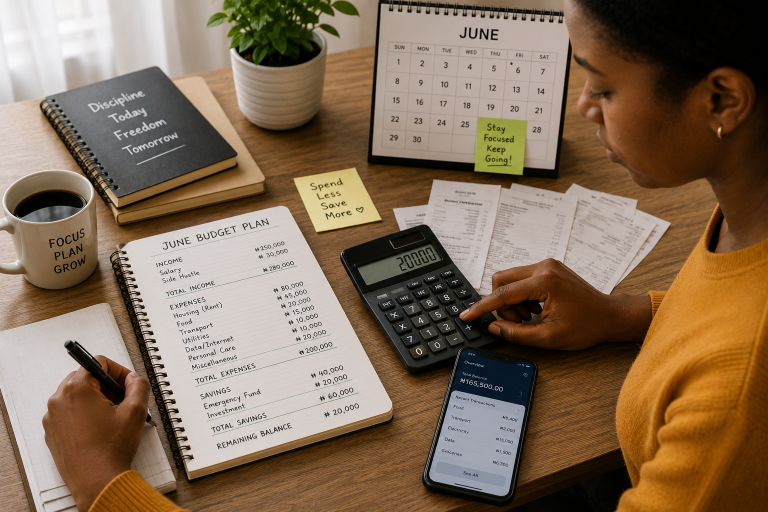
Managing money is challenging, but it becomes even trickier when your income isn’t consistent. Freelancers, entrepreneurs, gig workers, and commission-based employees often face fluctuating income streams. One month might bring in a high paycheck, while the next feels tight. This irregularity can make it hard to plan, save, and avoid stress.
Budgeting with an irregular income requires flexibility, smart strategies, and a clear understanding of your priorities. Unlike traditional budgeting, which assumes a steady paycheck, this approach focuses on preparing for unpredictability, smoothing out financial highs and lows, and maintaining control over your money.
In this guide, we’ll explore practical ways to budget effectively, build financial security, and make your money work for you—even when your income isn’t steady.
Understand Your Income Patterns
The first step in budgeting with irregular income is understanding your income patterns. Track your earnings over several months to identify trends. Are there months with higher earnings due to seasonal work, product launches, or client projects? Are there quieter months that require more careful planning?
Knowing these patterns helps you anticipate fluctuations, set realistic goals, and plan your spending more effectively. A clear picture of your income trends is the foundation of a successful irregular income budget.
Calculate Your Average Monthly Income
Once you’ve tracked your income for a few months, calculate your average monthly income. Add up the total income over a period of time, such as six or twelve months, and divide by the number of months. This gives you a baseline for budgeting.
Using your average income, rather than focusing on the highs or lows, allows you to plan more realistically. It creates a smoother financial roadmap and prevents overestimating what you can afford during low-income months.
Distinguish Between Essential and Non-Essential Expenses
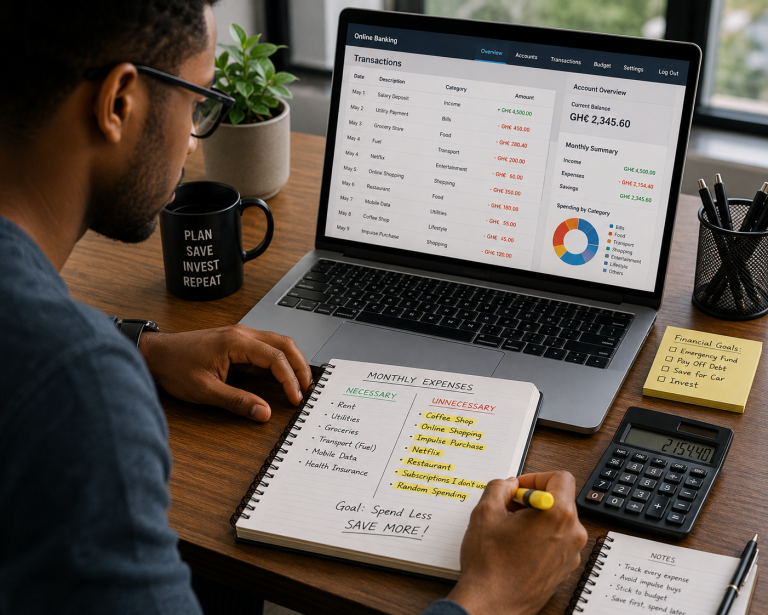
When income fluctuates, distinguishing between essential and non-essential expenses is crucial. Essential expenses are your non-negotiables: rent or mortgage, utilities, groceries, insurance, and transportation. Non-essential expenses include dining out, entertainment, subscriptions, or luxury purchases.
Start by listing all your essential expenses and ensuring they are covered even in the months with lower income. Non-essential expenses can be adjusted or paused when necessary, giving you flexibility and reducing financial stress.
Create a Baseline Budget
A baseline budget is the minimum amount of money you need each month to cover essentials. This budget is designed to keep you safe and functional during lean months.
Start by totaling all essential expenses. Then, compare this with your average monthly income. If your average income covers your essentials comfortably, you have more freedom to allocate funds for savings, investments, or discretionary spending. If not, you’ll need to adjust your spending or build a buffer to bridge gaps.
Build an Emergency Fund
One of the most important tools for budgeting with irregular income is an emergency fund. This is money set aside specifically to cover unexpected expenses or periods of low income. An emergency fund provides security and peace of mind, preventing you from relying on credit cards or loans.
Aim to save at least three to six months’ worth of essential expenses. While it may seem challenging, even small contributions add up over time. Consider transferring a fixed percentage of every payment received into this fund to gradually build a cushion.
Prioritize Paying Yourself First
Budgeting with irregular income also means prioritizing your financial goals. “Paying yourself first” means allocating money for savings, retirement, or investments before spending on non-essentials.
Even if your income fluctuates, commit to a consistent amount or percentage. For example, you could set aside 10-20% of each payment for savings. This approach ensures that you’re building wealth and security, even when cash flow varies.
Use a Tiered Spending System
A tiered spending system is a practical way to manage irregular income. Divide your income into categories or “tiers” based on priorities. The first tier covers essentials and debt payments, the second tier goes to financial goals and savings, and the third tier is for discretionary spending.
During high-income months, you can fully fund all tiers. During lean months, focus primarily on tier one and only partially fund tiers two and three. This system keeps you financially stable while allowing flexibility and control.
Automate Your Budget Where Possible
Automation can simplify budgeting with irregular income. Set up automatic transfers to savings, investments, and bill payments. This ensures that essential expenses and goals are met even when cash flow varies.
Automation reduces the mental load of managing money and helps prevent accidental overspending. For example, scheduling a monthly transfer to an emergency fund right after receiving income ensures that saving happens consistently.
Track Your Spending Carefully
Tracking spending is crucial when income is unpredictable. Every dollar counts, and monitoring your cash flow helps you understand where your money goes. Use budgeting apps, spreadsheets, or even a simple notebook to record expenses.
Tracking spending also helps you identify patterns and areas for adjustment. Over time, you’ll learn which expenses are flexible and which are fixed, making it easier to make informed financial decisions.
Adjust Lifestyle During Lean Months
Living within your means is key to surviving irregular income cycles. During months with lower earnings, adjust your lifestyle accordingly. This may mean cooking at home instead of dining out, postponing non-essential purchases, or reducing subscription services temporarily.
These adjustments are not permanent sacrifices—they’re a way to maintain stability and avoid financial stress. By being proactive, you prevent debt accumulation and ensure that essentials are always covered.
Plan for Taxes and Other Obligations
Irregular income often complicates tax planning. Freelancers, contractors, and self-employed individuals may not have taxes automatically withheld, which can lead to unexpected bills.
Set aside a percentage of each payment specifically for taxes. Consult with a tax professional to estimate your obligations and avoid surprises. Planning for taxes and other financial obligations is a crucial part of a realistic irregular income budget.
Diversify Income Streams if Possible
One way to stabilize irregular income is to diversify revenue sources. Relying on a single client or platform can be risky. By building multiple income streams, such as side gigs, passive income, or freelance projects, you reduce dependence on any single source.
Diversifying income not only stabilizes cash flow but also allows you to allocate funds more confidently, invest, and save for long-term goals.
Review and Adjust Regularly
Budgeting with irregular income isn’t a one-time task. It requires regular review and adjustment. At the end of each month, assess your income, expenses, and savings progress. Did you overspend in any category? Did certain strategies help you save or increase income?
Regular review ensures that your budget remains realistic and effective. Flexibility is key—you may need to tweak your spending, savings, or income strategies as circumstances change.
Focus on Long-Term Financial Goals
Even with irregular income, maintaining focus on long-term financial goals is essential. Whether it’s saving for retirement, buying a home, or building an investment portfolio, consistent planning and action pay off over time.
Break your long-term goals into small, achievable steps that can be funded each month. Even irregular contributions add up. The key is consistency and discipline, which builds financial confidence and stability.
Embrace Mindset Shifts Around Money
Budgeting with irregular income is not just about numbers—it’s about mindset. Accepting that income will fluctuate allows you to plan proactively rather than reactively. Focus on what you can control, like spending habits, savings, and financial planning.
A positive money mindset reduces stress, increases confidence, and helps you make smarter financial decisions. Instead of fearing income swings, view them as opportunities to build resilience, creativity, and resourcefulness.
Conclusion
Budgeting when you have an irregular income is challenging but entirely manageable. The key is understanding your income patterns, distinguishing essential from non-essential expenses, and creating a flexible but structured plan. By building an emergency fund, automating savings, tracking spending, adjusting lifestyle choices, and diversifying income streams, you can navigate unpredictability with confidence.
Your budget becomes a tool for stability, security, and growth, even when money flows unpredictably. It allows you to focus on long-term financial goals without feeling stressed or overwhelmed.
With discipline, flexibility, and smart strategies, you can take control of your finances, enjoy peace of mind, and thrive financially—regardless of how irregular your income may be.