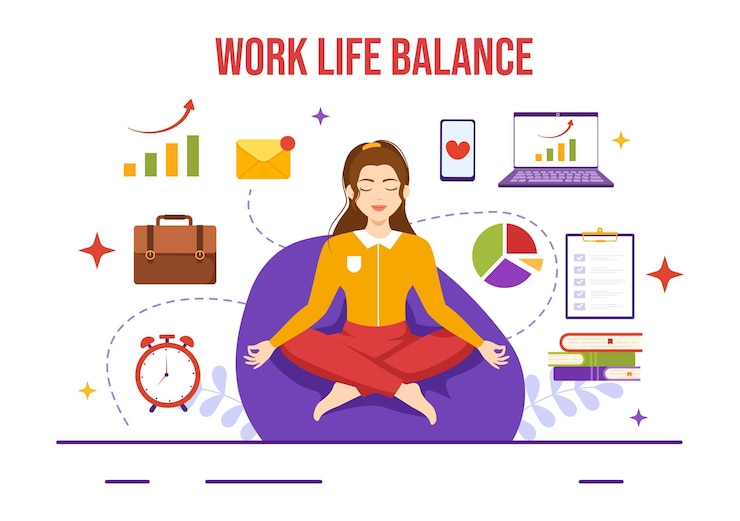
Finding a healthy balance between work and personal life can be difficult for many people in modern life. With the increasing demands of modern careers and the constant pressure to be available, it’s easy to feel overwhelmed and neglect important aspects of our lives, such as relationships, hobbies, and personal well-being. However, finding harmony between your work and personal life is essential for long-term success, happiness, and health.
1. Prioritize Your Time: Setting Boundaries
One of the most effective ways to maintain a healthy work-life balance is to prioritize your time and set clear boundaries. It’s important to recognize that your time is valuable, and you should allocate it wisely. Start by identifying your most important tasks at work and in your personal life. Use tools like to-do lists or time management apps to help you stay organized.
Setting boundaries is equally important. Establish specific working hours and communicate them to your colleagues and supervisors. Avoid checking work emails or taking work calls during personal time. According to a report by the Harvard Business Review, professionals who set boundaries between work and personal life experience less stress and greater satisfaction in both areas .
2. Embrace Flexibility: Adapting to Change
Flexibility is key in achieving work-life balance. Life is unpredictable, and sometimes work or personal issues may require you to adjust your plans. Embrace the flexibility to accommodate these changes without feeling guilty. For example, if you need to take time off for a family event or personal issue, plan ahead and communicate with your employer.
Moreover, many companies now offer flexible working hours or remote work options. If possible, take advantage of these opportunities to better manage your time. Research shows that flexible working arrangements can lead to increased job satisfaction, reduced stress, and improved overall well-being .
3. Practice Self-Care: Prioritizing Your Well-being
Taking care of your mental and physical health is crucial in maintaining a work-life balance. Regular exercise, a balanced diet, and adequate sleep are fundamental to your well-being. According to the American Psychological Association, exercise can help reduce stress, improve mood, and boost energy levels .
In addition to physical self-care, mental health practices such as mindfulness, meditation, and deep breathing exercises can help manage stress and increase focus. Setting aside time each day for self-care activities, such as reading, listening to music, or spending time outdoors, can rejuvenate your mind and body.
4. Learn to Say No: Protecting Your Time and Energy
It’s important to recognize your limits and not overcommit yourself. Learning to say no is a powerful tool in maintaining balance. Whether it’s taking on additional work projects or social obligations, it’s okay to decline when your plate is already full.
Saying no doesn’t mean you’re not capable; it means you understand the importance of balance and are committed to preserving your well-being. By setting realistic expectations and managing your workload, you can avoid burnout and ensure you have time for personal activities and relaxation.
5. Delegate and Share Responsibilities: Reducing Overload
You don’t have to do everything yourself. Delegating tasks at work and sharing responsibilities at home can significantly reduce stress and free up time for personal pursuits. In the workplace, consider delegating tasks to colleagues who have the expertise or bandwidth to assist. At home, involve family members in household chores and responsibilities.
A study published in the Journal of Occupational Health Psychology found that employees who delegate tasks effectively experience lower levels of stress and greater job satisfaction. Similarly, sharing household duties has been linked to better family relationships and a more harmonious home environment.
6. Create a Support System: Building Strong Relationships
Having a strong support system is essential for maintaining a work-life balance. Whether it’s friends, family, or colleagues, surrounding yourself with people who understand and support your goals can make a big difference.
Communicate with your loved ones about your work commitments and how they can help you achieve balance. At work, foster relationships with colleagues who can provide guidance and support when needed. A study by the Mayo Clinic highlights the importance of social connections in reducing stress and improving overall well-being.
7. Plan Regular Breaks and Vacations: Recharging Your Energy
Taking regular breaks throughout the day and planning vacations can help you recharge and prevent burnout. Short breaks during work hours can boost productivity and focus, while longer vacations provide an opportunity to disconnect from work and spend quality time with loved ones or pursue personal interests.
A study by the American Journal of Lifestyle Medicine found that taking vacations is associated with improved mental health, lower stress levels, and increased life satisfaction. Make it a priority to schedule time off and truly disconnect from work during these periods.
8. Reflect and Adjust: Continuous Improvement
Maintaining a work-life balance is an ongoing process that requires reflection and adjustment. Regularly assess your current balance and identify areas where you can improve. Be open to making changes in your routine, habits, and priorities to achieve a healthier balance.
Consider keeping a journal to track your progress and reflect on what’s working and what’s not. By continuously refining your approach, you can achieve a work-life balance that supports both your career success and personal well-being.
Ladaup
Achieving a healthy work-life balance is not a one-size-fits-all process. It requires intentional effort, self-awareness, and a commitment to prioritizing your well-being. By implementing these practical tips—prioritizing time, embracing flexibility, practicing self-care, learning to say no, delegating tasks, building a support system, planning breaks, and reflecting regularly—you can create a balanced life that allows you to thrive both professionally and personally. Remember, balance is the key to long-term success and happiness.