
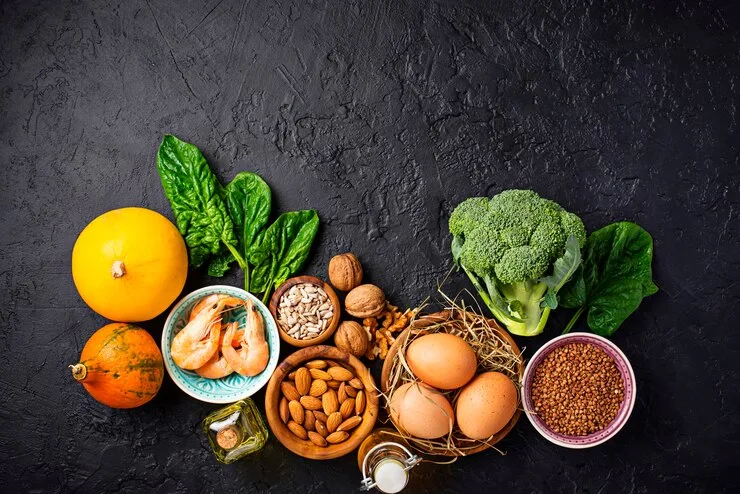
Being a vegetarian doesn’t mean you have to miss out on protein. In fact, there are plenty of delicious and nutritious plant-based sources of protein that can help you meet your daily needs. Whether you’re a long-time vegetarian or just starting out, this guide will introduce you to a variety of protein-rich foods that are easy to incorporate into your meals.
Why Protein is Important
Before diving into the sources, it’s helpful to understand why protein is so important. Protein is essential for building and repairing tissues, making enzymes and hormones, and supporting overall health. It also plays a crucial role in muscle growth and maintaining a strong immune system.
For vegetarians, it’s important to find diverse protein sources to ensure you’re getting all the essential amino acids your body needs. Fortunately, with the wide variety of plant-based options available, it’s easier than ever to maintain a balanced, protein-rich diet.
Legumes: Beans, Lentils, and Peas
Legumes are one of the best sources of protein for vegetarians. They’re versatile, affordable, and packed with nutrients.
Popular Options:
- Beans: Black beans, kidney beans, chickpeas, and pinto beans are all excellent choices. A cup of cooked beans typically provides about 15 grams of protein.
- Lentils: Lentils are not only rich in protein but also high in fiber and iron. One cup of cooked lentils offers around 18 grams of protein.
- Peas: Green peas, split peas, and even pea protein powder are all great sources. A cup of cooked green peas contains about 8 grams of protein.
How to Use Them:
- Soups and Stews: Add lentils or beans to soups and stews for a hearty, protein-rich meal.
- Salads: Toss chickpeas or black beans into salads for extra protein and texture.
- Snacks: Try roasted chickpeas or make hummus for a tasty, protein-packed snack.
Nuts and Seeds
Nuts and seeds are not only rich in protein but also in healthy fats, making them a great addition to any vegetarian diet.
Popular Options:
- Almonds: Almonds are a popular snack and contain about 6 grams of protein per ounce.
- Chia Seeds: These tiny seeds are a powerhouse of nutrition, offering around 5 grams of protein per ounce, along with omega-3 fatty acids.
- Pumpkin Seeds: Also known as pepitas, pumpkin seeds provide around 7 grams of protein per ounce.
How to Use Them:
- Breakfast Toppings: Sprinkle nuts and seeds over oatmeal, yogurt, or smoothies for a protein boost.
- Nut Butters: Spread almond or peanut butter on toast, or use it as a dip for fruits and veggies.
- Salad Toppings: Add sunflower seeds or chopped nuts to salads for a crunchy, protein-rich topping.
Soy Products: Tofu, Tempeh, and Edamame
Soy products are among the most well-known vegetarian protein sources. They’re versatile and can be used in a variety of dishes.
Popular Options:
- Tofu: Also known as bean curd, tofu is made from soybeans and offers about 10 grams of protein per half-cup serving. It absorbs flavors well, making it a great addition to many recipes.
- Tempeh: Tempeh is a fermented soy product that is firmer and nuttier than tofu. It’s packed with protein, providing about 15 grams per half-cup serving.
- Edamame: These are young soybeans, often served steamed in their pods. A half-cup serving of shelled edamame contains about 9 grams of protein.
How to Use Them:
- Stir-Fries: Add tofu or tempeh to stir-fries with your favorite vegetables and sauces.
- Snacks: Enjoy steamed edamame as a snack or appetizer.
- Sandwiches and Wraps: Use marinated tofu or tempeh in sandwiches and wraps for a protein-packed meal.
Whole Grains: Quinoa, Brown Rice, and Oats
Whole grains are another excellent source of protein for vegetarians. They’re also high in fiber, which is great for digestion.
Popular Options:
- Quinoa: Quinoa is a complete protein, meaning it contains all nine essential amino acids. One cup of cooked quinoa provides about 8 grams of protein.
- Brown Rice: While not as high in protein as quinoa, brown rice still offers about 5 grams of protein per cup.
- Oats: A breakfast staple, oats provide about 6 grams of protein per cup.
How to Use Them:
- Bowls: Create grain bowls with quinoa or brown rice as the base, adding vegetables, beans, and a protein source like tofu or tempeh.
- Breakfast: Start your day with a bowl of oatmeal, topped with nuts, seeds, and fresh fruit.
- Side Dishes: Serve quinoa or brown rice as a side dish to complement your meals.
Dairy and Eggs
For lacto-ovo vegetarians who include dairy and eggs in their diet, these are also excellent protein sources.
Popular Options:
- Greek Yogurt: Greek yogurt is higher in protein than regular yogurt, with about 15 grams per cup.
- Eggs: Eggs are one of the most versatile protein sources, providing about 6 grams of protein each.
- Cottage Cheese: Cottage cheese offers about 12 grams of protein per half-cup serving.
How to Use Them:
- Breakfast: Enjoy scrambled eggs, a Greek yogurt parfait, or cottage cheese with fruit.
- Snacks: Hard-boiled eggs or a cup of Greek yogurt make quick, protein-rich snacks.
- Baking: Use eggs in baking or add them to salads for extra protein.
Conclusion
Maintaining a balanced, protein-rich diet as a vegetarian is entirely achievable with the wide variety of plant-based and dairy options available. By incorporating legumes, nuts, seeds, soy products, whole grains, and dairy or eggs into your meals, you can easily meet your protein needs while enjoying diverse and delicious foods.
Remember, variety is key to ensuring you get all the essential amino acids your body needs. So, mix and match these protein sources throughout the week to keep your meals interesting and nutritious.
Sources for Further Research