Almost everyone wants to save more money, live stress-free, and enjoy financial peace. But the truth is, many people struggle because they don’t know how to stop spending on things they don’t need. It is not because they are irresponsible or careless. Sometimes it’s emotional, sometimes it’s social pressure, and sometimes it’s simply a habit that has become automatic. In today’s world where everything is designed to make you spend, learning how to stop spending has become a real survival skill.
Every day your mind gets hit with adverts, social media posts, lifestyle pressure, friends showing their new stuff, and brands convincing you that you need something new to feel happy. Even when your income stays the same or goes down, your spending temptations increase. It’s not surprising that many people feel broke before the month even ends. But the truth is, when you learn to stop spending on unnecessary things, your finances begin to breathe again. Your money lasts longer. Your stress reduces. Your savings grow. Your confidence increases.
This article breaks down how to stop spending in a simple, relatable, human way. No complicated terms. No unrealistic advice. Just down-to-earth explanations based on real-life experiences, behavioural psychology, and everyday struggles that normal people face. By the end of this article, you will understand why you overspend, how to control it, and how to build better habits that actually work.
Why We Buy Things We Don’t Need
To stop spending, you first need to understand why you overspend. Overspending is rarely about the item you buy. It’s usually about the feeling behind the purchase. According to consumer psychology research, people often buy things not because they need them, but because they want the emotional satisfaction attached to the purchase. It could be comfort, escape, stress relief, excitement, or even boredom.
For example, you might buy a new shoe not because your old one is damaged but because buying something new makes you feel refreshed. You might order food instead of cooking because you’re tired or stressed. You might buy data bundles more frequently because scrolling gives you temporary comfort. None of this is strange. It’s normal human behaviour. The problem is that these small emotional purchases gradually drain your money.
Understanding the emotional triggers is a huge step towards learning how to stop spending. The moment you learn the “why” behind your decisions, you gain power over them. You begin to catch yourself in the act. You become aware.
How Advertising Tricks You Into Spending Without Thinking
Marketing today is not like the marketing of 10 or 20 years ago. Companies don’t only advertise products; they advertise feelings. They study your behaviour online, track what you view, analyse your likes, and then show you adverts designed to hit your emotions. The goal is simple: they want you to spend, even when you don’t plan to.
Social media makes it worse. You might be scrolling TikTok or Facebook and suddenly see an item you didn’t know you needed. You look at it once, scroll away, but the app will keep showing it to you until you finally buy it. This is not accident. It is strategy. A study by Forbes revealed that targeted ads increase impulse buying by up to 70%. You think you are making your own decisions, but psychologically, you are being guided.
This is why learning to stop spending is not just discipline—it is self-defense. You need to protect your mind from the constant pressure that tells you to buy, even when your wallet is empty.
Why Social Pressure Makes Overspending Worse
One big reason people overspend is social pressure. You may not want to accept it, but your financial decisions are influenced by what you see others doing. When your friends buy something new, you feel pressured. When someone posts a lifestyle upgrade, you unconsciously compare yourself. When people around you spend freely, you feel left out if you don’t join them.
This pressure is especially common among young adults. Studies from the American Economic Association show that social comparison is one of the biggest triggers for unnecessary spending. Even when you know you can’t afford something, the desire to fit in pushes you to buy.
Learning to stop spending means learning to value yourself outside of what you own. You must build your financial identity around your goals, not society’s expectations. Because the truth is, the people you are trying to impress are not paying your bills. You are.
The Psychology of Impulse Buying and How It Controls You
Impulse buying is one of the biggest enemies of financial stability. Impulse buying happens when your emotions take control before your logic can think. It’s quick, it’s sudden, and it feels good in the moment. But when the excitement disappears, regret follows. You may even hide the purchase or downplay it.
Impulse buying is triggered by a chemical in your brain called dopamine. When you see something attractive, or something you desire, your brain releases dopamine. This makes you excited, happy, and eager to act. But dopamine does not last long. The high fades, and reality returns.
To stop spending, you must learn to pause. Even a 30-second pause gives your brain time to calm down. When emotions drop, logic returns. This is how you regain control.
Why You Feel Broke Even When You Have Money
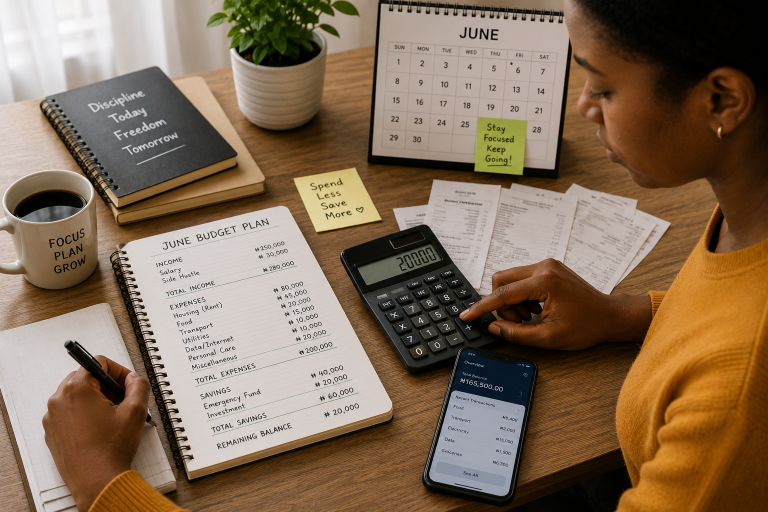
Have you ever been paid, felt excited for a few days, then suddenly discovered your money is finished and you can’t explain how? This happens because your spending has no structure. Money without a plan disappears quickly. When you don’t track your money, it slips away in small pieces.
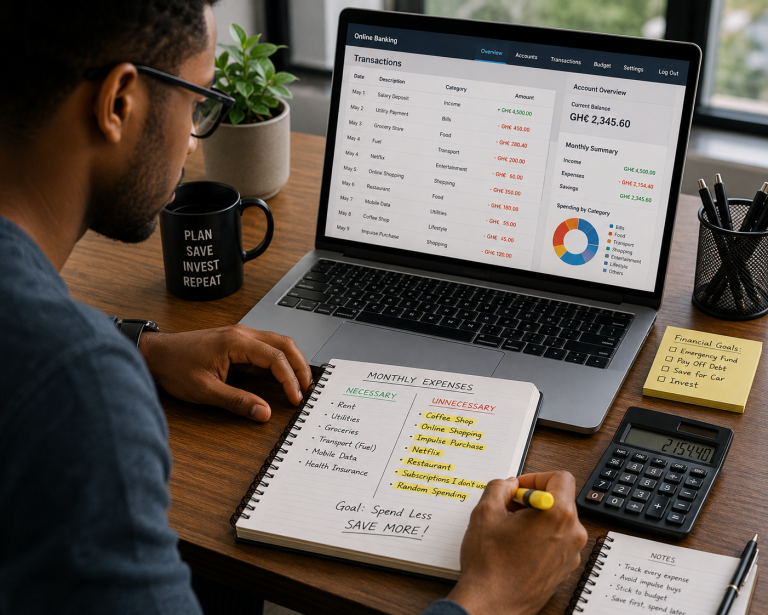
The reason many people feel broke is not always because they don’t earn enough. It’s often because they spend without awareness. They buy small things frequently—transport, airtime, snacks, eating out, subscriptions, impulse purchases. Each one feels small, but together they drain your finances.
To stop spending, you must build awareness. Awareness brings clarity. And clarity brings control. When you track your money weekly or even daily, you immediately notice where the leak is coming from.
How Stress Makes You Spend More
Many people think overspending is a sign of lack of discipline, but sometimes it is stress coping. When life feels overwhelming, buying something temporarily gives your brain relief. It feels like a break from your problems. But this relief is short-lived and expensive.
Psychologists call this “emotional spending.” Stress makes your brain crave comfort. That comfort may come from food, new things, or entertainment. But at the end of the month, the stress becomes worse because now you have financial pressure added to emotional pressure.
Learning to stop spending means learning healthier ways to manage stress. It means giving yourself real solutions, not temporary dopamine hits. Your financial future depends on your ability to protect your money during stressful times.
Why You Need a Spending Plan That Matches Your Lifestyle
Stopping unnecessary spending is not about being stingy or living like a monk. It is about being intentional with your money. You need a spending plan that matches your income, your lifestyle, and your personal responsibilities.
The problem is, many people try to copy other people’s financial plans. They force themselves to use budgeting methods that don’t fit their life. A realistic spending plan should reflect your reality. It should allow you to enjoy life responsibly while building financial stability.
Without a plan, temptation wins. With a plan, discipline becomes easier. A spending plan gives you boundaries that protect you, not punish you.
The Role of Weekly Budgets in Helping You Stop Spending
One of the best ways to stop spending is to create a weekly budget. A monthly budget is too long and too unpredictable. A weekly budget gives you short-term clarity and immediate control. It helps you see what you can spend in a week and forces you to prioritize what really matters.
Financial experts recommend weekly budgets because the brain handles shorter timeframes better. Weekly budgets help you stop spending because they:
Organize your expenses
Break down your money into realistic categories
Make impulse buying difficult
Help you track spending faster
Give you weekly financial discipline
When you plan your week, your money no longer controls you. You control it.
How Self-Awareness Helps You Stop Spending
Self-awareness is the heart of financial discipline. When you understand your triggers, your patterns, and your emotional responses, it becomes easier to stop spending unnecessarily. You begin to notice the moments when you are vulnerable. You learn to catch yourself before you make a bad decision.
Self-awareness also helps you differentiate between wants and needs. Many people think they need something simply because they desire it strongly. But a real need is something necessary for your survival or key responsibilities. A want is simply a craving. The more self-aware you become, the easier it is to separate the two.
Why You Must Question Every Purchase
One powerful habit that helps you stop spending is learning to question your purchases. You don’t need to interrogate yourself harshly, but you need to pause and ask simple questions like:
Do I need this?
Can I live without it this week?
Is this emotional spending?
Will this matter next month?
Is this in my plan?
These questions slow down your brain just long enough to remove impulse and bring clarity. With clarity comes better decisions.
How Delayed Gratification Strengthens Your Financial Discipline
Delayed gratification is the ability to wait for something instead of getting it immediately. It is the foundation of wealth-building. Most financially organized people are not lucky; they simply delay unnecessary purchases and prioritize long-term benefits.
When you master delayed gratification, you automatically stop spending on things that don’t matter. You learn to walk away from temptations. You learn to choose your goals over your momentary desires.
Research from Stanford University shows that people who delay gratification achieve better financial outcomes, make smarter decisions, and experience less stress. This skill is a financial superpower.
Why Unplanned Days Lead to Unplanned Spending
Days without structure often become expensive. When you don’t plan your day, you spend based on emotion and convenience. You buy food outside because you didn’t cook. You take unnecessary trips because you didn’t plan your movement. You buy random items because you were bored.
Planning your day does not mean scheduling every minute. It simply means knowing your priorities. When your mind is clear, your spending becomes clear. When your day is scattered, your money becomes scattered too.
How to Build Daily Habits That Help You Stop Spending
Small daily habits make it easier to stop spending. When you become mindful of your money every day, you reduce financial surprises. You begin to notice patterns, and those patterns teach you what to change.
Habits like tracking your expenses, planning your meals, and organizing your day help you stay aligned with your financial goals. Each habit becomes one small wall protecting you from unnecessary spending.
With time, these habits become automatic. And when they become automatic, stopping unnecessary spending becomes natural, not forced.
Why Saving Becomes Easier When You Stop Spending
Saving is not magic. It is the result of controlled spending. When you stop spending on unnecessary things, saving becomes effortless. Your money begins to last longer. You start to feel more secure. You stop panicking midway through the month. You gain confidence in your ability to manage your life.
When saving becomes easier, your financial goals become clearer. You start believing in your future. You start seeing progress. And progress motivates you to keep going.
Conclusion: Stopping Unnecessary Spending Is a Life Skill
Learning how to stop spending on things you don’t need is not a one-time activity. It is a lifelong skill. It requires awareness, discipline, planning, and emotional strength. But once you learn it, your entire financial life transforms. You gain peace of mind. You gain control. You gain freedom.
You begin to understand that money is not just something you earn—it’s something you manage, something you direct, something you control. And the moment you stop spending on things that don’t matter, you give yourself the power to build the future you truly want.