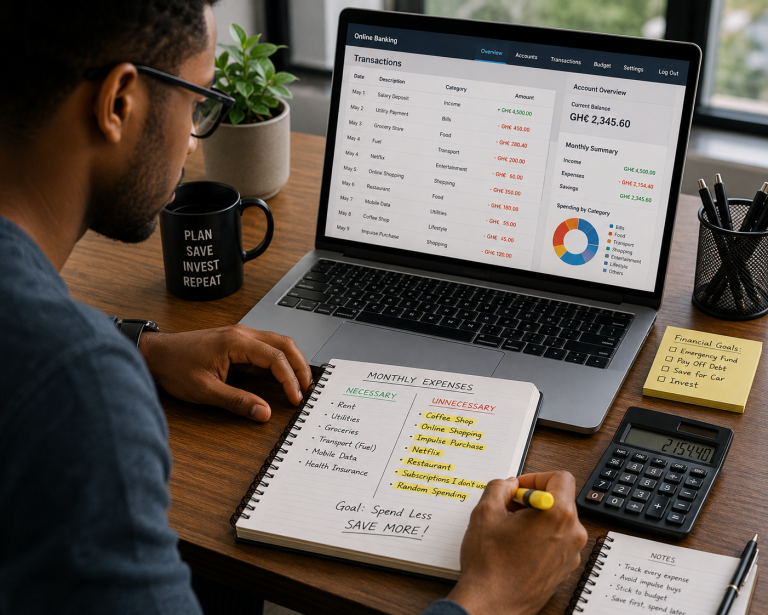

Staying debt free is not about earning millions or living an extreme life. It is about the small choices we make every single day. Many people think debt comes from big mistakes, but in reality, most debt grows quietly from daily habits we don’t pay attention to.
A coffee here. A quick loan there. A swipe of a card without thinking. Over time, these small actions pile up, and before you know it, debt becomes part of daily life. What makes this more painful is that debt often brings stress, anxiety, and a feeling of being trapped.
The good news is that staying debt free does not require complicated systems or strict rules. It comes from simple habits that fit into real life. Habits that are easy to follow, even when income is small or irregular.
This article explains how simple daily habits can help you stay debt free, protect your peace of mind, and give you control over your financial future.
What Being Debt Free Really Means
Being debt free does not mean never spending money or never enjoying life. It means living within what you can afford and not owing money that controls your future choices.
When you are debt free, your income belongs to you. You decide where it goes instead of sending it to interest payments and reminders. This freedom allows you to plan, save, and enjoy life without constant pressure.
Financial experts agree that staying debt free is one of the strongest foundations for long-term financial stability. According to Investopedia, avoiding unnecessary debt reduces financial risk and increases flexibility during emergencies.
Why Debt Often Starts Small
Most people do not wake up and decide to drown in debt. Debt usually starts quietly. A short-term loan to cover a gap. A credit purchase because cash is low. A promise to pay later.
These small decisions feel harmless at the moment. The problem is repetition. When borrowing becomes normal, debt grows faster than income.
Research from the Consumer Financial Protection Bureau shows that frequent small borrowing leads to long-term debt cycles. Staying debt free begins with recognizing these patterns early.
The Emotional Cost of Debt
Debt is not just a financial issue. It is emotional. It affects sleep, relationships, confidence, and mental health.
People in debt often feel ashamed, anxious, or constantly worried. This emotional burden makes it harder to think clearly and make good decisions.
Psychological studies show that financial stress reduces focus and increases impulsive behavior. Staying debt free protects not only your wallet but also your peace of mind.
Why Daily Habits Matter More Than Big Decisions
Big financial decisions happen rarely. Daily habits happen every day. That is why habits matter more.
The way you spend, save, and think about money daily shapes your financial life. Staying debt free is built in ordinary moments, not dramatic ones.
Small habits repeated over time create powerful results. This principle is supported by behavioral finance research, which shows that consistent small actions are more effective than occasional big efforts.
Being Debt Free Starts With Awareness
Awareness is the first habit. Knowing where your money goes helps you control it.
When spending happens without awareness, debt sneaks in easily. Awareness does not mean tracking every coin perfectly. It means paying attention.
People who stay debt free often have a general idea of their daily spending. This awareness creates natural limits and reduces careless borrowing.
Why Spending With Intention Prevents Debt
Intentional spending means thinking before paying. It means asking simple questions like “Do I need this now?” or “Can I afford this without borrowing?”
This pause is powerful. It breaks automatic spending habits that lead to debt.
Financial educators consistently emphasize that mindful spending reduces impulse purchases, which are a major cause of consumer debt.
How Living Slightly Below Your Means Keeps You Debt Free
Living below your means does not mean suffering. It means not using every cedi or dollar you earn.
This small gap between income and spending creates safety. It allows you to handle surprises without borrowing.
People who stay debt free usually create this gap intentionally, even if it is small. Over time, this habit builds resilience.
Why Avoiding Lifestyle Inflation Matters
Lifestyle inflation happens when spending increases as income increases. New income often brings new wants.
This habit traps many people in debt even as they earn more. Staying debt free requires resisting the urge to upgrade everything at once.
Studies on consumer behavior show that happiness from lifestyle upgrades fades quickly, but debt stress lasts longer.
The Power of Paying Yourself First
Paying yourself first means setting aside money before spending on anything else. This habit protects you from overspending.
When savings come first, spending naturally adjusts. This reduces the need to borrow later.
Financial experts widely recommend this habit as a core strategy for staying debt free and building long-term security.
Why Emergency Savings Prevent Debt
Many people fall into debt because of emergencies. A small savings buffer can stop this cycle.
An emergency fund handles unexpected expenses without borrowing. Even a small one reduces risk.
According to the Federal Reserve, people with emergency savings are far less likely to rely on credit during financial shocks.
How Delaying Gratification Helps You Stay Debt Free
Delayed gratification means choosing long-term peace over short-term pleasure.
Buying now and paying later feels good briefly. Paying later hurts longer.
Psychological research confirms that people who practice delayed gratification experience better financial outcomes over time.
Why Cash-Based Spending Reduces Debt
Spending cash or using debit instead of credit makes spending feel real. It creates natural limits.
Credit often disconnects spending from consequences. This disconnect fuels debt.
Studies show that people spend more when using credit compared to cash. Choosing cash-based spending supports a debt free lifestyle.
How Planning Tomorrow’s Spending Today Prevents Debt
Planning spending ahead reduces impulsive decisions. When you know what tomorrow looks like, surprises reduce.
Planning does not need to be complex. Simple awareness of upcoming needs helps you avoid last-minute borrowing.
People who plan consistently are less likely to rely on debt for daily needs.
Why Saying No Is a Financial Skill
Staying debt free sometimes requires saying no. No to pressure. No to trends. No to unnecessary spending.
Saying no protects your future self. It is not weakness. It is discipline.
Financial confidence grows when you respect your limits.
How Social Pressure Creates Debt
Many people borrow to impress others. Events, gadgets, and lifestyles create pressure.
The real cost of social pressure is often hidden debt.
Research in consumer psychology shows that comparison spending is a major driver of personal debt. Staying debt free requires focusing on your own goals.
Why Simple Budgets Work Better Than Complex Ones
Complex budgets often fail because they are hard to maintain. Simple budgets stick.
A simple understanding of income, essentials, and limits is enough to prevent debt.
Financial planners agree that sustainable systems are better than perfect systems.
How Tracking Progress Motivates Debt Free Living
Seeing progress reinforces habits. Tracking spending, savings, or debt reduction builds motivation.
Progress reminds you why discipline matters.
Behavioral research shows that visible progress increases consistency and commitment.
Why Consistency Beats Perfection
You do not need to be perfect to stay debt free. You need to be consistent.
Mistakes will happen. What matters is returning to good habits quickly.
Financial resilience grows through consistency, not perfection.
How Small Wins Build Financial Confidence
Every small win matters. Skipping unnecessary spending. Saving a little. Avoiding a loan.
These wins build confidence. Confidence improves decision-making.
Confidence keeps you debt free even during challenges.
Why Debt Free Living Improves Mental Health
Debt free living reduces stress, anxiety, and fear.
Mental health professionals acknowledge the strong link between financial stability and emotional well-being.
Peace of mind is one of the biggest benefits of staying debt free.
How Habits Shape Financial Identity
Over time, habits shape identity. When you practice debt free habits, you start seeing yourself as financially responsible.
This identity reinforces behavior.
Identity-based habits are powerful because they last longer.
Why Staying Debt Free Gives You Options
Debt limits options. Freedom creates choices.
When you are debt free, you can change jobs, invest, save, or rest without pressure.
Options create confidence and flexibility.
The Long-Term Impact of Simple Habits
Simple daily habits compound over time. What feels small today becomes powerful later.
Debt free living is built slowly but rewards deeply.
Long-term studies show that people who avoid debt early experience greater financial stability later in life.
Why Staying Debt Free Is an Act of Self-Respect
Choosing to stay debt free is choosing peace over pressure.
It shows respect for your future self and your mental health.
Self-respect influences financial decisions more than income level.
Conclusion
Staying debt free is not about strict rules or extreme discipline. It is about simple daily habits practiced consistently. Awareness, intentional spending, small savings, and self-control create powerful protection against debt.
Debt free living brings peace, confidence, and freedom. It allows you to build a life based on choice instead of obligation.
You do not need to change everything at once. Start with one habit today. Small actions, repeated daily, can keep you debt free for life.