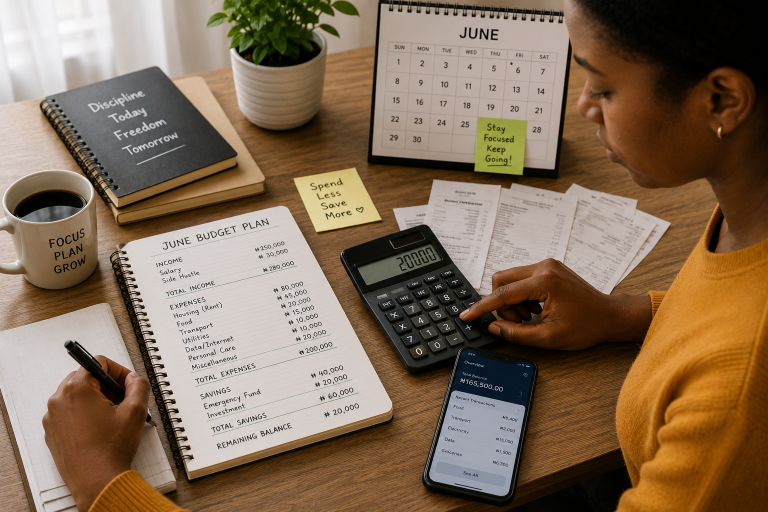
Managing your finances can feel overwhelming, especially when you’re not entirely sure where your money is going each month. By analyzing your spending habits, you can gain a clear understanding of your financial situation, identify areas where you can cut back, and make more informed decisions.
This guide will walk you through the process of analyzing your spending habits, offering practical tips and insights to help you take control of your finances.
1. Track Every Expense
The first step to analyzing your spending habits is to track every single expense. This may seem tedious at first, but it’s essential for gaining an accurate picture of where your money is going. You can do this manually by keeping a notebook or using a spreadsheet, or you can take advantage of numerous apps designed to help you track expenses. Whichever method you choose, be consistent and make sure to log every purchase, no matter how small.
2. Categorize Your Spending
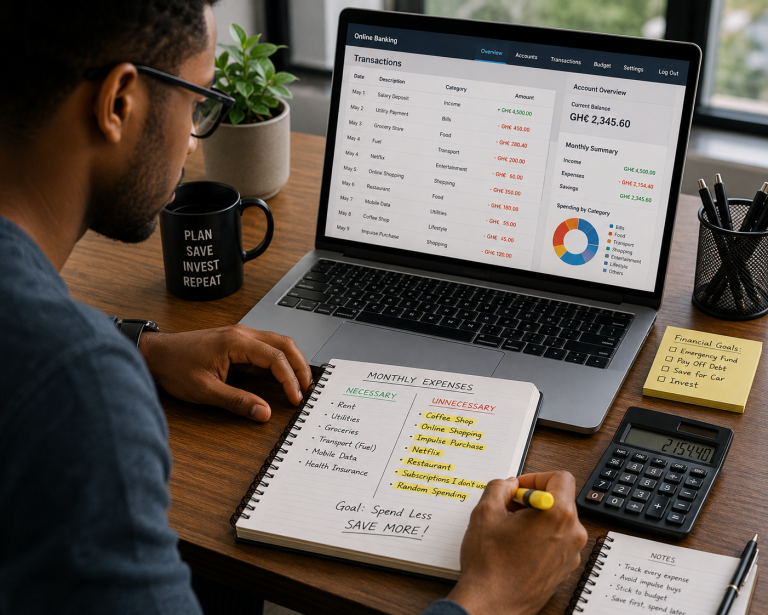
Once you’ve tracked your expenses for a month or two, the next step is to categorize them. This will help you see patterns in your spending. Common categories include housing, groceries, dining out, entertainment, transportation, utilities, and personal care. Depending on your lifestyle, you may need to create additional categories. By sorting your expenses into categories, you can easily identify where most of your money is going.
3. Evaluate Your Needs vs. Wants
With your expenses categorized, it’s time to evaluate each category and determine what’s essential (needs) and what’s discretionary (wants). This can be a challenging exercise, but it’s crucial for identifying areas where you can cut back. Ask yourself questions like: Do I really need this subscription service? Can I reduce my dining out expenses by cooking more at home? Understanding the difference between needs and wants will help you prioritize your spending and avoid unnecessary purchases.
4. Identify Spending Patterns and Triggers
As you analyze your spending, look for patterns and triggers that may be influencing your habits. For example, do you tend to spend more on weekends or after a stressful day at work? Are there certain stores or websites where you’re more likely to overspend? Recognizing these patterns can help you develop strategies to curb impulsive spending and make more deliberate financial decisions.
5. Set Budgeting Goals
Now that you have a clear understanding of your spending habits, it’s time to set budgeting goals. Start by determining how much you want to allocate to each spending category and stick to those limits. You might set a goal to reduce your dining out expenses by 20% or to save a certain amount each month. Having specific goals will keep you motivated and on track.
6. Monitor and Adjust Regularly
Analyzing your spending habits isn’t a one-time task; it’s an ongoing process. Regularly review your budget and expenses to ensure you’re staying on track. If you notice that you’re consistently overspending in a certain category, adjust your budget accordingly. Life circumstances change, and your budget should be flexible enough to adapt to those changes. Monitoring your spending regularly will help you maintain financial control and make adjustments as needed.
7. Use Tools and Resources
There are numerous tools and resources available to help you analyze your spending habits more effectively. Budgeting apps like Mint, YNAB (You Need a Budget), or PocketGuard can automate the process and provide you with real-time insights. These tools often offer features like expense categorization, budget tracking, and goal setting, making it easier to stay on top of your finances.
8. Celebrate Your Progress
Finally, don’t forget to celebrate your progress. Analyzing your spending habits and making changes isn’t always easy, but it’s a significant step toward financial stability and freedom. Recognize your achievements, no matter how small, and use them as motivation to continue improving your financial habits.