Many people in Ghana want to start a business, but one question keeps coming up again and again: “Where will I get the money?” It’s a fair question. With rising costs of living, unstable income, and family responsibilities, saving large amounts of money to start a business can feel impossible. But here’s the truth many people don’t tell you: you don’t need a lot of money to start a small business in Ghana. What you need more is clarity, patience, and smart decisions.
Across Ghana today, from Accra to Kumasi, Tamale to Cape Coast, people are quietly building small businesses with very low capital. Some started with skills they already had. Some used tools they already owned. Others simply noticed a small problem around them and decided to solve it. These are not overnight success stories. They are realistic, gradual journeys that anyone can relate to.
This article will walk you through how to start a small business in Ghana with low capital in a way that feels human, achievable, and practical. No big grammar. No hype. Just real guidance you can understand and apply.
Understanding What Low Capital Really Means
When people hear “low capital,” they often imagine starting a business with almost nothing. While that is sometimes possible, low capital does not always mean zero money. It simply means starting with what you can afford without borrowing heavily or putting yourself under stress.
Low capital could mean using your phone instead of renting an office. It could mean starting from your house instead of paying shop rent. It could mean offering a service before selling a physical product. In Ghana, many successful small businesses today started with less than GHS 1,000. Some even started with less than GHS 300.
The key idea is not how much money you have, but how wisely you use what you have. When you understand this, starting a small business in Ghana becomes less scary and more realistic.
Why Ghana Is a Good Place to Start Small
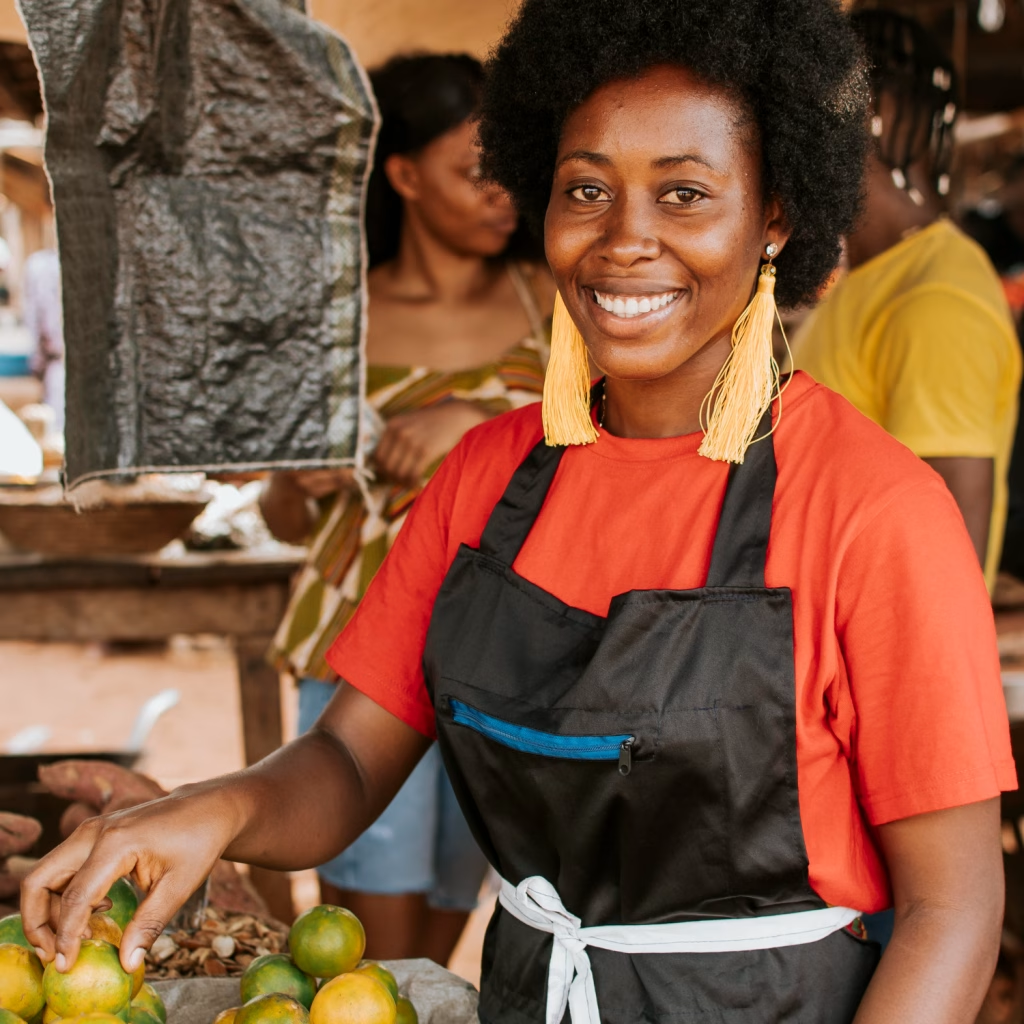
Ghana is one of the best places in West Africa to start a small business, especially with low capital. The population is young, active, and always looking for convenience, solutions, and value. People buy food daily, use mobile money constantly, rely on services, and support local businesses more than ever before.
Another advantage is that many businesses in Ghana do not require complex licenses at the beginning. You can start small, test your idea, and grow gradually. Digital tools like WhatsApp, Facebook, Instagram, and mobile money have reduced the cost of doing business. You don’t need a big shop or fancy equipment to begin.
This environment creates room for everyday people to start small businesses that fit into real Ghanaian life.
Starting With What You Already Have
One of the biggest mistakes people make when trying to start a small business in Ghana is waiting for the “perfect time.” They wait to have more money, more connections, or more confidence. But the best place to start is where you are, with what you already have.
If you can cook well, that skill already has value. If you can design, write, teach, braid hair, repair phones, take photos, or organize things, you already have a business foundation. Many small businesses in Ghana are service-based because services require more effort than money.
Even your phone is a powerful business tool. With it, you can market, communicate with customers, receive payments, and learn new skills. Instead of focusing on what you lack, focus on what you already have and how it can serve others.
Choosing the Right Business Idea for Low Capital
Not every business idea is suitable for low capital. Some businesses require heavy investment, machinery, or long waiting periods before profit. When capital is limited, it’s important to choose an idea that allows you to start small, earn quickly, and grow gradually.
Service-based businesses are often the easiest entry point. They rely more on time and skill than on money. Examples include cleaning services, home tutoring, phone repairs, social media management, baking from home, makeup services, or freelance digital work.
Trading can also work if done wisely. Instead of stocking many items, you can start with a few fast-moving products. Some people take customer orders first before buying stock. Others partner with suppliers and pay after sales. These strategies reduce risk and protect your limited capital.
The goal is not to copy what everyone is doing, but to choose something that fits your environment, your skill level, and your budget.
Starting Small Without Feeling Small
One mental barrier many people face is shame. Some feel embarrassed to start small. They compare themselves to others on social media who appear to be doing big things. This mindset stops many good ideas from ever starting.
But the truth is, every big business you admire today once started small. Some started from bedrooms, kitchens, or borrowed tables. Starting small is not a weakness; it is wisdom. When you start small, you learn faster, make fewer mistakes, and recover easily when things go wrong.
In Ghana, customers care more about value and reliability than size. If you deliver good service consistently, people will support you, recommend you, and help you grow.
Managing Your Money From Day One
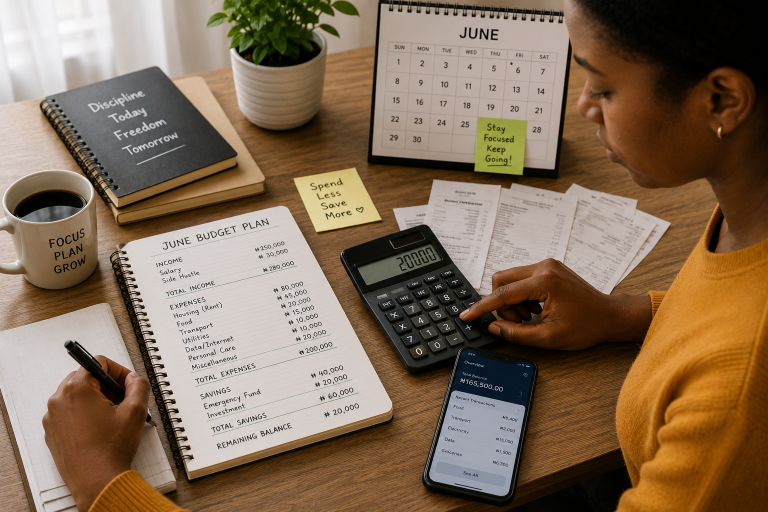
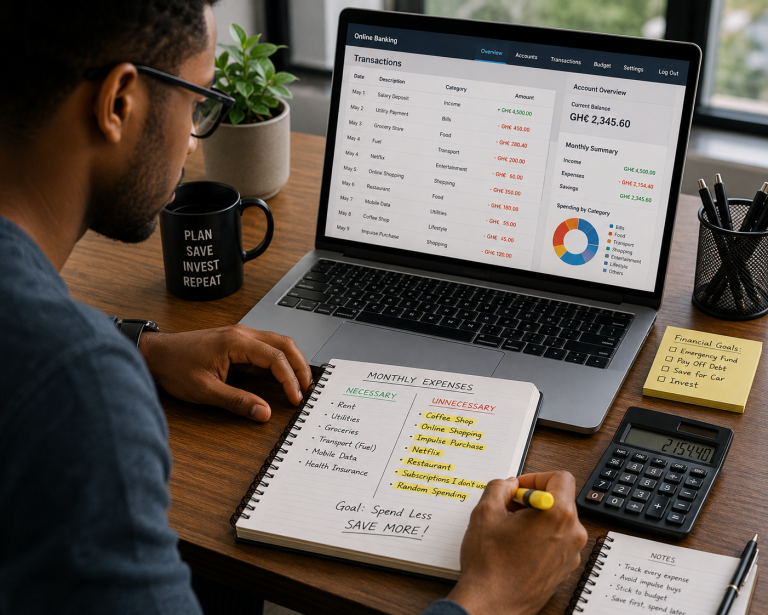
One reason many small businesses fail is poor money management. Mixing business money with personal money can destroy even a good idea. When you start a small business in Ghana with low capital, every cedi matters.
From the beginning, learn to separate your business income from your personal spending. Even if it’s just a simple notebook or notes app on your phone, record what comes in and what goes out. This habit helps you understand whether your business is growing or just surviving.
Avoid unnecessary expenses in the early stages. You don’t need a logo, office space, or expensive branding immediately. Focus on delivering value first. Money saved at the beginning gives your business room to breathe.
Using Social Media as Your Free Marketing Tool
Marketing is often expensive, but in Ghana today, social media has made marketing almost free. Platforms like WhatsApp, Facebook, TikTok, and Instagram are powerful tools for small business owners.
You can share what you do, show behind-the-scenes moments, post customer feedback, and explain your services in simple language. People connect more with real stories than polished adverts. Consistency matters more than perfection.
When you market honestly and regularly, people begin to trust you. Trust is the real currency in business. It brings repeat customers and word-of-mouth referrals, which are extremely powerful in Ghana.
Dealing With Fear and Self-Doubt
Starting a business comes with fear. Fear of failure, fear of judgment, fear of losing money. These feelings are normal. Many people in Ghana grow up being taught to avoid risk, so choosing entrepreneurship can feel uncomfortable.
The truth is, waiting forever is also risky. Inflation, job insecurity, and rising costs mean relying on only one income source is dangerous. Starting a small business is not about being fearless; it’s about moving forward despite fear.
Confidence grows with action. The more you try, learn, and improve, the stronger you become. You don’t need to know everything before starting. You just need to start and learn along the way.
Growing Slowly and Sustainably
One of the biggest advantages of starting with low capital is that it forces you to grow slowly. Slow growth is not a bad thing. It allows you to understand your customers, improve your service, and avoid big mistakes.
Reinvest profits back into the business instead of rushing to enjoy everything. Upgrade gradually. Buy better tools when necessary. Expand only when demand is clear. This patient approach helps your business survive long-term.
Many small businesses in Ghana collapse because they grow too fast without structure. Growing slowly protects you from stress and financial pressure.
Learning From Others Without Copying Blindly
Learning from others is important, but copying blindly can be dangerous. What worked for someone else may not work for you due to location, timing, or personal circumstances.
Instead of copying, learn principles. Learn how people identify opportunities, manage customers, and solve problems. Adapt those lessons to your situation. Your journey will be unique, and that is okay.
Ghana’s business environment is diverse. What works in Accra may not work in a smaller town. Always observe, test, and adjust.
Staying Consistent When Results Are Slow
One of the hardest parts of starting a small business in Ghana with low capital is staying consistent when money is slow. Some days you may not get customers. Some weeks may feel discouraging.
Consistency is what separates those who succeed from those who quit early. Every effort compounds. Every customer interaction builds experience. Even when results are slow, progress is happening quietly.
Instead of focusing only on money, focus on learning and improving. Over time, the results will reflect your effort.
Conclusion
Starting a small business in Ghana with low capital is not a dream meant for only a few people. It is possible, realistic, and happening every day. What matters most is mindset, discipline, and willingness to start small.
You don’t need to wait for perfect conditions. You don’t need to impress anyone. You just need to take the first step with what you have and commit to learning along the way.
If you stay patient, manage your money well, serve people honestly, and remain consistent, your small beginning can grow into something stable and meaningful. The journey may not be easy, but it will be worth it.