
If you live in Ghana today, chances are high that you have felt lifestyle pressure at some point. It could be subtle or loud. It could come from friends, family, social media, work, or even church. One minute you are comfortable with your life, and the next minute you feel like you are behind, not doing enough, or not living “well” enough.
Lifestyle pressure in Ghana has become one of the biggest silent reasons people struggle financially. It pushes people to spend money they do not have, borrow unnecessarily, live for appearances, and ignore their future. Yet, very few people talk openly about it because it feels normal, expected, and even celebrated.
This article is a real conversation. Not a lecture. Not a motivational speech. Just honest truth about lifestyle pressure in Ghana, where it comes from, why it feels so strong, and how you can avoid it without isolating yourself or feeling ashamed. Money peace is possible, even in a society where comparison feels unavoidable.
Understanding Lifestyle Pressure in the Ghanaian Context
Lifestyle pressure is the constant feeling that you must live, spend, dress, travel, and present yourself at a certain level to be respected or accepted. In Ghana, this pressure is deeply woven into daily life. From weddings to funerals, birthdays to baby naming ceremonies, lifestyle expectations are everywhere.
In many Ghanaian communities, success is judged by visible signs. Your phone, your clothes, your car, your rent, your ability to contribute publicly, and how you show up at events all become silent measures of progress. People may not ask how much you earn, but they watch how you live.
This creates pressure, especially for young adults and middle-income earners who are still building their lives. Even when income is small or unstable, expectations remain high. The result is stress, debt, and financial anxiety that many people silently carry.
How Social Media Intensifies Lifestyle Pressure
Social media has changed how lifestyle pressure works in Ghana. Before, comparison was limited to your neighborhood, workplace, or extended family. Today, your phone exposes you to hundreds of curated lives daily.
You see friends traveling, wearing designer clothes, attending expensive events, and launching businesses. What you rarely see is the debt, the support behind the scenes, or the financial struggle that comes with it.
Lifestyle pressure grows when people compare their real life to someone else’s highlight reel. It becomes easy to feel like you are failing, even when you are making progress. This pressure pushes people to spend impulsively, just to keep up appearances online.
Studies on social media behavior, including research published by the American Psychological Association, show a strong link between social comparison and financial stress. This is not just a personal weakness. It is a social pattern.
Family Expectations and Cultural Obligations
In Ghana, lifestyle pressure does not only come from peers. Family expectations play a major role. Being seen as responsible often means supporting others, contributing to events, and stepping in when there is a financial need.
While family support is a strong cultural value, it can become overwhelming when expectations exceed capacity. Many people feel guilty saying no, even when it affects their savings, goals, or basic needs.
Lifestyle pressure becomes heavier when people feel they must look successful to earn respect within the family. This leads to silent suffering, where someone looks fine on the outside but struggles deeply on the inside.
Avoiding lifestyle pressure does not mean abandoning family values. It means setting boundaries that protect both your future and your mental health.
Why Lifestyle Pressure Leads to Financial Stress
Lifestyle pressure forces people to prioritize image over stability. Money that could be saved or invested goes into rent that is too high, events that are too frequent, or items that lose value quickly.
Many people in Ghana fall into debt not because they are irresponsible, but because they are trying to meet social expectations. Borrowing becomes normal. Mobile money loans, salary advances, and informal borrowing feel like quick solutions, but they quietly create long-term problems.
According to financial inclusion data from the World Bank, many households in developing economies experience financial vulnerability due to consumption pressure rather than lack of income alone. This shows that behavior and social influence matter just as much as earnings.
The Emotional Side of Lifestyle Pressure
Lifestyle pressure is not just about money. It affects confidence, self-worth, and peace of mind. When people constantly feel behind, they lose joy in what they already have.
Some people begin to avoid social gatherings because they cannot keep up. Others attend but feel anxious the entire time. Some overcompensate by overspending, while others withdraw completely.
This emotional burden can lead to burnout, resentment, and even depression. Yet, many people hide it because admitting financial struggle feels like failure in a society that praises visible success.
Redefining Success on Your Own Terms
One powerful way to avoid lifestyle pressure is to redefine success for yourself. Success does not have to look loud. It does not have to be expensive. It does not have to impress others.
For some people, success is peace of mind. For others, it is debt freedom. For others, it is the ability to support family without stress. When success is personal, lifestyle pressure loses its power.
People who achieve long-term financial stability often live below their means, even when they earn more. They choose comfort over competition. They understand that quiet progress lasts longer than flashy living.
Learning to Say No Without Guilt
Saying no is one of the hardest skills in Ghanaian society, especially when it involves money. Many people fear being labeled stingy, proud, or irresponsible.
But saying no is sometimes necessary. Not every event requires your presence. Not every contribution must match others. Not every trend deserves your money.
When you explain calmly and respectfully, most people understand, even if they do not say it openly. And those who do not understand are often not carrying your financial burden anyway.
Learning to say no protects your future self. It creates space for savings, emergencies, and growth.
Managing Spending in a High-Pressure Environment
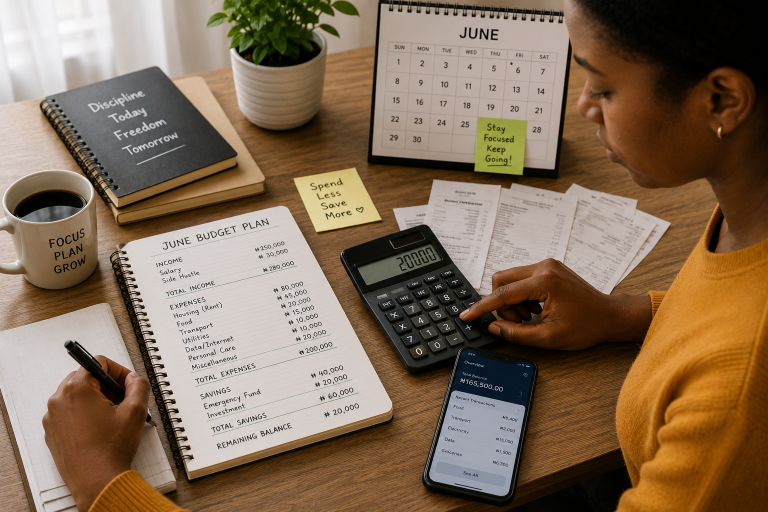
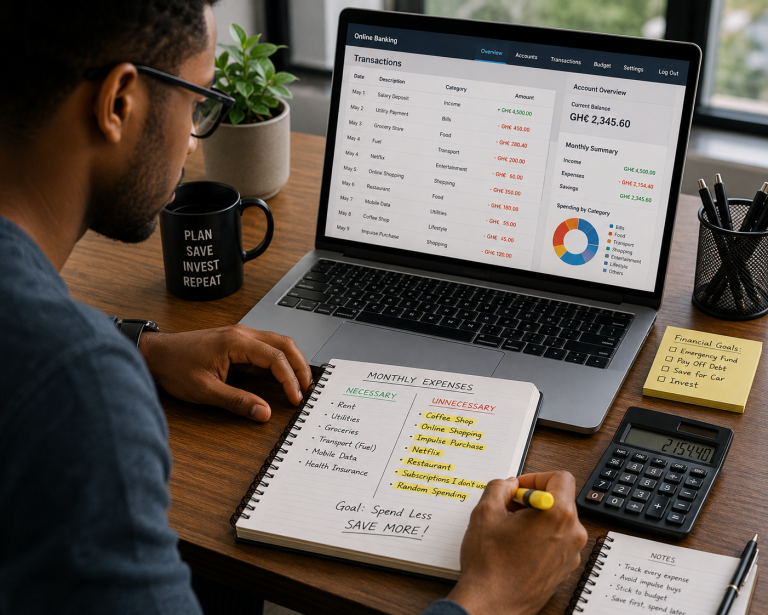
Avoiding lifestyle pressure does not mean isolating yourself. It means spending intentionally. It means planning ahead and choosing where your money goes instead of reacting emotionally.
When you know your financial limits, it becomes easier to make decisions. You stop feeling forced to impress. You attend events with confidence, knowing you are living within your means.
Financial experts often emphasize that clarity reduces stress. When you are clear about your income, expenses, and goals, lifestyle pressure becomes noise instead of control.
Building Confidence Without Overspending
Confidence does not come from expensive things. It comes from self-respect and stability. People who are financially grounded often carry themselves differently.
When you stop chasing approval through spending, you gain a deeper sense of control. You begin to enjoy life more because you are not constantly worried about money.
True confidence allows you to show up as yourself, not as a performance.
The Role of Long-Term Thinking
Lifestyle pressure thrives on short-term thinking. It pushes people to focus on today’s image at the expense of tomorrow’s security.
Long-term thinking shifts your attention. You begin to ask better questions. Will this decision help or hurt me in five years? Will I remember this purchase in one month? Is this worth delaying my goals?
Research from behavioral economics consistently shows that people who plan long-term make better financial decisions and experience less stress. This applies across cultures, including Ghana.
How to Stay Social Without Financial Damage
You can enjoy friendships, family, and culture without destroying your finances. It starts with honesty. When people know your limits, expectations adjust over time.
Choosing affordable alternatives, attending selectively, and focusing on meaningful connections instead of appearances helps reduce pressure.
Most people care more about presence than spending. And those who do not may not be the right influence for your journey.
Teaching Yourself Financial Independence
Financial independence begins with learning. Understanding basic money principles gives you confidence to resist pressure.
When you understand how debt works, how savings grow, and how habits compound, you become less influenced by trends. Knowledge creates freedom.
Many financial education platforms, including resources from the International Monetary Fund and local financial literacy programs in Ghana, emphasize the importance of behavioral awareness alongside income growth.
Lifestyle Pressure and the Cost of Delayed Growth
One hidden danger of lifestyle pressure is delayed progress. Money that could have built skills, businesses, or investments gets spent on appearances.
Years later, people wonder why they are still struggling, forgetting how much they spent trying to look successful instead of becoming successful.
Avoiding lifestyle pressure early gives you an advantage. It allows compound growth to work in your favor.
Choosing Peace Over Performance
At some point, everyone must choose between peace and performance. Performance looks good to others. Peace feels good inside.
Those who choose peace often live quieter lives, but they sleep better. They worry less. They grow steadily. Over time, their results speak louder than their lifestyle ever did.
Conclusion
Lifestyle pressure in Ghana is real, powerful, and deeply rooted in culture and modern influence. But it does not have to control your life. You can choose awareness over comparison. Purpose over pressure. Progress over performance.
Avoiding lifestyle pressure is not about deprivation. It is about freedom. Freedom to live within your means, plan for the future, and enjoy life without constant stress.
When you stop living to impress, you start living to build. And that choice, repeated daily, changes everything.