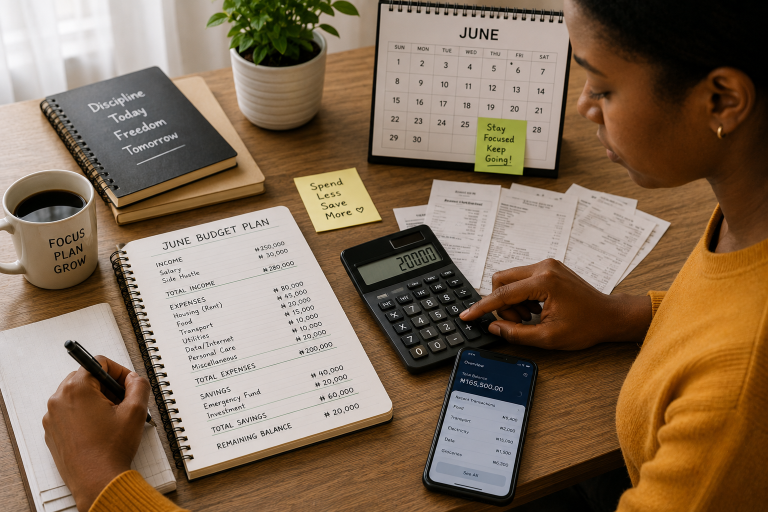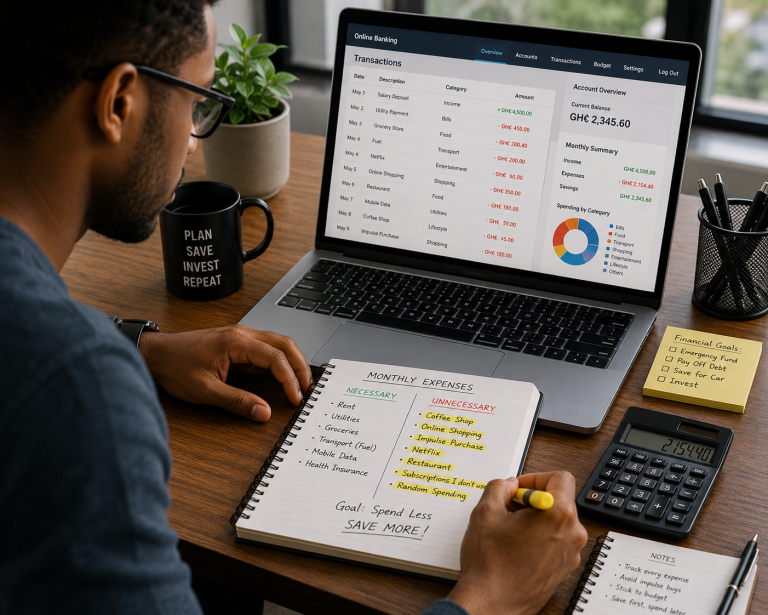

For many new entrepreneurs, packaging feels like the most exciting part of launching a product. Choosing colors, designs, and materials can be fun, and it’s tempting to think that the more money you spend on packaging, the better your product will sell. But allocating half of your capital to packaging is a common mistake that can strain your business finances and limit growth.
Packaging is important—it communicates your brand and protects your product—but over-investing in it at the expense of other essential areas can create serious challenges. Marketing, inventory, operations, and product development are equally critical. In this article, we’ll explore why business packaging should not consume half your capital and how to create a smart strategy that balances aesthetics with practicality.
The True Role of Packaging in Business
Packaging is more than just wrapping your product. It’s a communication tool that conveys quality, brand personality, and professionalism. Good packaging can enhance the customer experience and even influence buying decisions.
However, while packaging is important, it is not the primary driver of business success. A beautiful package cannot compensate for a product that doesn’t meet customer needs, a poor marketing strategy, or weak customer service. Entrepreneurs often fall into the trap of prioritizing appearance over substance, thinking that high-end packaging alone will attract sales.
The Danger of Overspending on Packaging
Spending too much on packaging ties up capital that could be used elsewhere in your business. For example, if you invest 50% of your startup budget into packaging, you may have insufficient funds for marketing campaigns, production, logistics, or customer support. These areas directly impact revenue and growth, and neglecting them can hurt your business more than modest packaging ever would.
Another risk is inflexibility. When too much money is locked in packaging, it becomes difficult to adapt to market feedback or make necessary adjustments to your product. For startups especially, agility is key. Overspending on packaging can reduce your ability to pivot, innovate, or experiment with new strategies.
Smart Budget Allocation
A better approach is to allocate capital based on business priorities. Packaging should receive enough investment to reflect your brand and protect the product but not at the expense of growth or operations.
A general rule of thumb is to dedicate 10–20% of your budget to packaging, depending on your product type and industry. This allows you to create visually appealing and functional packaging while reserving funds for marketing, inventory, product development, and contingency plans.
Balancing Quality and Cost
Quality packaging does not always mean expensive packaging. Smart entrepreneurs focus on materials and design that are cost-effective yet attractive. Simple designs with a professional touch can create a high-quality perception without breaking the bank.
For example, kraft paper boxes, minimalistic designs, or reusable packaging can be both sustainable and affordable. Customers often value functionality and eco-friendliness over flashy designs. By balancing quality and cost, you ensure your packaging adds value without draining resources.
Marketing vs. Packaging: Where to Invest
While packaging catches attention, marketing drives awareness and sales. Advertising, social media campaigns, influencer partnerships, and promotions often deliver higher returns than premium packaging alone.
Investing in marketing ensures that more people know about your product, which directly impacts revenue. A modestly packaged product with strong marketing can outperform a lavishly packaged product that nobody hears about.
The Psychological Impact of Packaging
Packaging does influence perception. Customers often associate beautiful packaging with quality and luxury. However, research shows that for most products, the functional benefits and overall value matter more than extravagant packaging.
Over-packaging can even backfire, particularly if the price point does not match customer expectations. Shoppers notice when packaging costs seem excessive relative to the product inside. They may feel misled or question the value.
Case Studies: When Entrepreneurs Overspend on Packaging
Several small businesses have suffered by investing too much in packaging. For example, a startup may spend thousands on custom boxes, ribbons, and inserts, only to run out of funds for marketing. While their product looks appealing, few people know about it, resulting in slow sales and financial strain.
Another example is a food brand that spent heavily on premium containers but ignored shelf life, distribution logistics, and marketing. Their products were expensive to ship, and consumers never discovered them in stores. In both cases, over-investing in packaging limited overall business growth.
How to Prioritize Packaging Wisely
Prioritize packaging based on function, brand alignment, and cost-efficiency. Ensure your packaging protects the product during transport and storage, communicates brand identity, and is practical for your target audience.
Test designs on a small scale before committing significant capital. Feedback from customers or focus groups can help you make adjustments and prevent costly mistakes. By testing first, you can optimize packaging and avoid overspending.
The Role of Minimalism in Packaging
Minimalist packaging has grown in popularity because it balances aesthetics with cost-effectiveness. Simple packaging can still convey quality and sophistication while reducing production expenses.
Minimalist designs often use fewer materials, are easier to produce, and align with sustainability trends—an added benefit in markets where eco-conscious customers are a priority.
Packaging as Part of a Holistic Strategy
Think of packaging as one component of your business strategy, not the centerpiece. It should complement marketing, product quality, customer service, and pricing strategy. When integrated thoughtfully, packaging enhances the overall experience without consuming excessive resources.
For example, a skincare brand may use simple, recyclable containers but invest in informative labels, social media campaigns, and influencer collaborations. The combination creates value and drives sales without overspending on materials.
Leveraging Free and Affordable Packaging Tools
For startups, there are tools and strategies to make packaging affordable. Bulk ordering, sourcing local materials, or using pre-made boxes can reduce costs. Templates and design software help create professional-looking packaging without hiring a designer.
Even small touches, like custom stickers or branded tape, can add a personal touch without significant expense. Smart use of resources ensures branding is visible while preserving capital for growth.
Avoiding Common Mistakes in Packaging Investment
Many entrepreneurs overestimate the impact of luxury packaging or ignore customer preferences. Avoid these mistakes by aligning packaging with your audience’s expectations, price point, and the product’s functionality.
Remember, packaging should enhance the customer experience, not distract from the product or create financial strain.
Packaging and Scalability
As your business grows, packaging costs scale too. Overspending early on can create unsustainable expenses when production volume increases. Investing wisely from the start allows your business to scale smoothly without hitting financial bottlenecks.
Balancing Branding and Practicality
Branding is important, but it should not compromise practicality. Your packaging should be easy to ship, store, and handle. Consider shipping costs, breakage risks, and convenience for customers. A practical design can save money, reduce waste, and improve customer satisfaction while still reflecting your brand identity.
Conclusion
Packaging is a vital part of product presentation, but it should not dominate your capital allocation. Spending half of your budget on packaging is a common mistake that limits marketing, operations, and growth potential.
Smart entrepreneurs prioritize balance. Allocate resources to packaging, but keep marketing, product development, and operational needs in mind. Focus on cost-effective designs, test before scaling, and always consider customer perception and practicality.
By taking a holistic approach, you ensure packaging enhances your business without compromising financial stability or long-term growth. Investing wisely in packaging creates a professional, appealing brand while leaving room for the strategies that truly drive success.