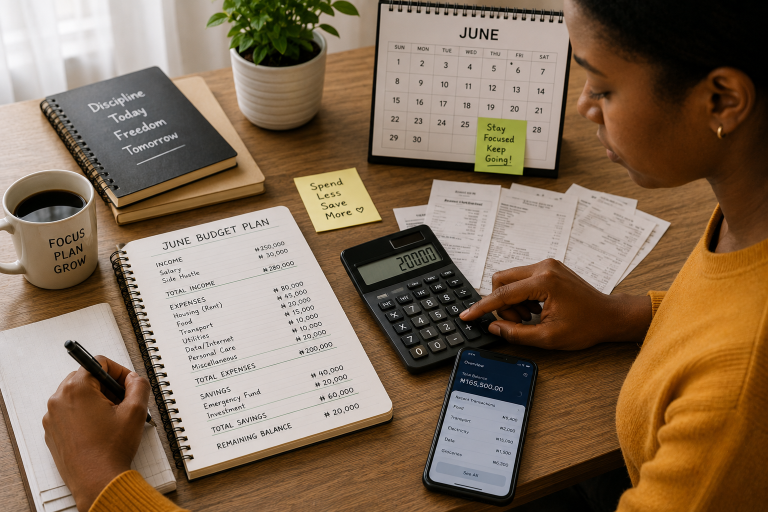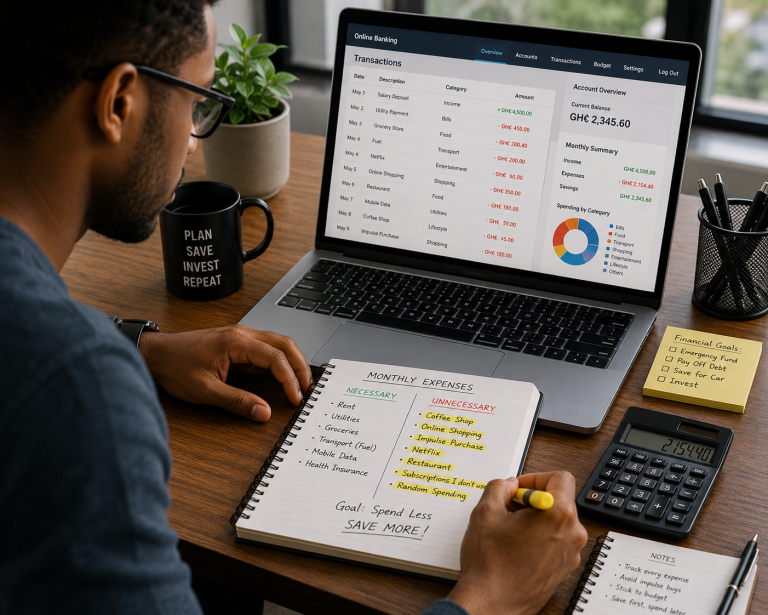

Pricing is one of the hardest things for many Ghanaian business owners. You can have a good product, strong branding, and even loyal customers, yet still struggle because your pricing is either confusing, too high, or too low. In Ghana, pricing is not just about numbers. It is about understanding people, income levels, competition, emotions, and trust. That is why product pricing in Ghana deserves more attention than it gets.
If you walk through any market, from Makola to Kejetia, or scroll through Instagram shops, you will notice one thing quickly. Two people selling almost the same product can be charging very different prices. One is struggling to sell, while the other is overwhelmed with orders. The difference is not always quality. Most times, it is pricing.
Many small business owners price based on fear. Fear of losing customers. Fear of being called expensive. Fear of competitors undercutting them. Others price based on guesswork or what they “feel” is fair. But successful businesses in Ghana price with intention, clarity, and understanding.
This article will walk you through how to think about product pricing in Ghana in a practical way. No complex formulas. No foreign theories that don’t fit our reality. Just real explanations, real examples, and real guidance you can apply immediately.
Why Pricing Is a Bigger Issue in Ghana Than You Think
In Ghana, price sensitivity is real. Most customers compare prices aggressively because disposable income is limited for many households. At the same time, people still want value, dignity, and respect. This creates a delicate balance. If your price is too low, people may not trust your product. If it is too high, they may walk away without even asking questions.
Product pricing in Ghana is also affected by unstable costs. The price of fuel changes. Transport fares increase. Raw materials go up without warning. Exchange rates affect imported items. This means pricing cannot be static. A price that worked six months ago may no longer protect your business today.
Another issue is the informal nature of many businesses. Without proper records, many entrepreneurs don’t even know their real costs. They price based on what competitors are charging or what customers complain about, instead of what keeps the business alive.
Pricing mistakes don’t always show immediately. Sometimes, you make sales but still struggle to grow. Other times, you are busy but broke. That is often a sign that your pricing is wrong.
Understanding Your True Cost Before Setting Any Price
One of the biggest mistakes in product pricing in Ghana is ignoring real costs. Many people only consider the cost of buying or producing the item. They forget transport, packaging, data, electricity, rent, and even their own time.
If you sell clothes online, the cost is not only the price you bought the dress. It includes delivery to you, photoshoot costs, internet data for posting, packaging, delivery to customers, and time spent responding to messages. If you bake cakes, it includes gas, electricity, ingredients, packaging, transport, and sometimes wastage.
When you ignore these, you may think you are making profit when you are actually running at a loss. Proper pricing starts with honesty. You must know how much it truly costs to put that product in a customer’s hand.
In Ghana, where small margins can quickly disappear due to inflation or unexpected expenses, understanding your real cost is non-negotiable.
Why Copying Competitors’ Prices Is Dangerous
Many entrepreneurs price their products by checking what others are charging. While this seems logical, it can be very dangerous in the Ghanaian market. Your competitor may have lower costs, bigger capital, or different business goals. They may even be pricing wrongly themselves.
If you blindly copy their prices, you could be underpricing or overpricing without knowing it. Some businesses in Ghana intentionally sell cheap to gain attention, even if they are not profitable. Others inflate prices because of brand perception or location.
Product pricing in Ghana should consider competition, yes, but it should not be controlled by it. Your business is unique. Your costs are different. Your target customer may also be different. Pricing should reflect your reality, not someone else’s.
The Psychology of Pricing in the Ghanaian Market
Pricing is emotional in Ghana. Customers don’t only buy with logic; they buy with feeling. The way your price is presented matters almost as much as the price itself.
When something is too cheap, many customers assume it is fake, low quality, or unreliable. When it is moderately priced but well presented, trust increases. This is why some sellers increase prices slightly and suddenly see more serious customers.
Ghanaian customers also value negotiation. Even when prices are fixed, people want to feel they are getting value. Clear pricing, respectful communication, and confidence in your price help customers accept it more easily.
Product pricing in Ghana works best when it matches the customer’s expectation of value. If you sell premium products, your pricing must reflect that confidently. If you sell everyday items, your pricing must feel fair and realistic.
Why Underpricing Is One of the Biggest Business Killers
Many young entrepreneurs believe cheap prices will attract more customers. In reality, underpricing often attracts the wrong customers. People who only buy because you are cheap rarely become loyal. They leave the moment someone else is cheaper.
Underpricing also leads to burnout. You work harder, sell more, but earn less. Over time, quality drops, motivation drops, and the business suffers.
In Ghana, where operational challenges are already high, underpricing leaves no room for growth, emergencies, or investment. Proper product pricing in Ghana must allow your business to breathe.
How Inflation and Currency Issues Affect Pricing
Ghana’s economic environment makes pricing even more sensitive. Inflation affects purchasing power. Exchange rate fluctuations affect imported goods. Transport costs affect almost every product.
If you don’t adjust your prices gradually, you may suddenly realize your profit has vanished. Many businesses fear increasing prices because they worry customers will complain. But silent losses are more dangerous than vocal complaints.
Customers may complain today, but they adjust tomorrow. Businesses that don’t adjust often disappear quietly.
Product pricing in Ghana must be flexible, reviewed regularly, and communicated clearly.
Choosing the Right Pricing Style for Your Business
Some businesses price for volume. Others price for value. Some price for speed. There is no single correct approach. What matters is alignment.
If you sell fast-moving consumer goods, your pricing may focus on affordability and turnover. If you sell specialized services or handmade items, pricing should reflect skill, uniqueness, and effort.
Many Ghanaian service providers struggle with pricing because services feel “invisible.” But your time, skill, and experience have value. Pricing them properly is part of professionalism.
Building Trust Through Consistent Pricing
Inconsistent pricing confuses customers. If one customer pays a different price from another without clear reason, trust breaks. Ghanaian customers talk. Word spreads fast.
Product pricing in Ghana works best when it is transparent and consistent. Discounts should be intentional, not emotional. Promotions should be planned, not reactions to slow days.
When customers trust your pricing, they stop arguing and start recommending you.
How Branding Supports Better Pricing
Strong brands can charge better prices. This is true everywhere, including Ghana. Branding is not just logos. It is how you communicate, deliver, and treat customers.
When your brand looks serious, people expect serious pricing. When your brand looks confused, people expect cheap pricing.
If you invest in presentation, customer service, and storytelling, pricing becomes easier. Customers don’t only buy the product; they buy the experience.
Knowing When to Increase Prices Without Losing Customers
Price increases are sensitive, but sometimes necessary. The key is timing and communication. Small gradual increases are easier to accept than sudden jumps.
Explain value. Improve quality. Improve service. Then adjust pricing. Customers may complain initially, but those who value you will stay.
Product pricing in Ghana is not static. Businesses that survive are those that adjust wisely.
Pricing and Long-Term Business Growth
Your price determines your future. It affects your ability to hire, expand, market, and survive difficult seasons. Cheap pricing today can limit growth tomorrow.
When pricing supports sustainability, your business becomes stronger, calmer, and more focused. You stop chasing every customer and start building real value.
Common Pricing Mistakes Ghanaian Businesses Make
Many businesses price emotionally. Others price based on pressure from friends and family. Some avoid numbers completely. These habits hurt growth.
Pricing should be strategic, not emotional. It should protect the business, not please everyone.
Final Thoughts on Pricing in Ghana
Product pricing in Ghana is not easy, but it is learnable. It requires honesty, courage, observation, and consistency. When you price properly, you attract better customers, earn healthier profit, and build a stronger business.
You don’t need to be the cheapest. You need to be clear, fair, and confident.
When pricing makes sense, everything else starts to align.