
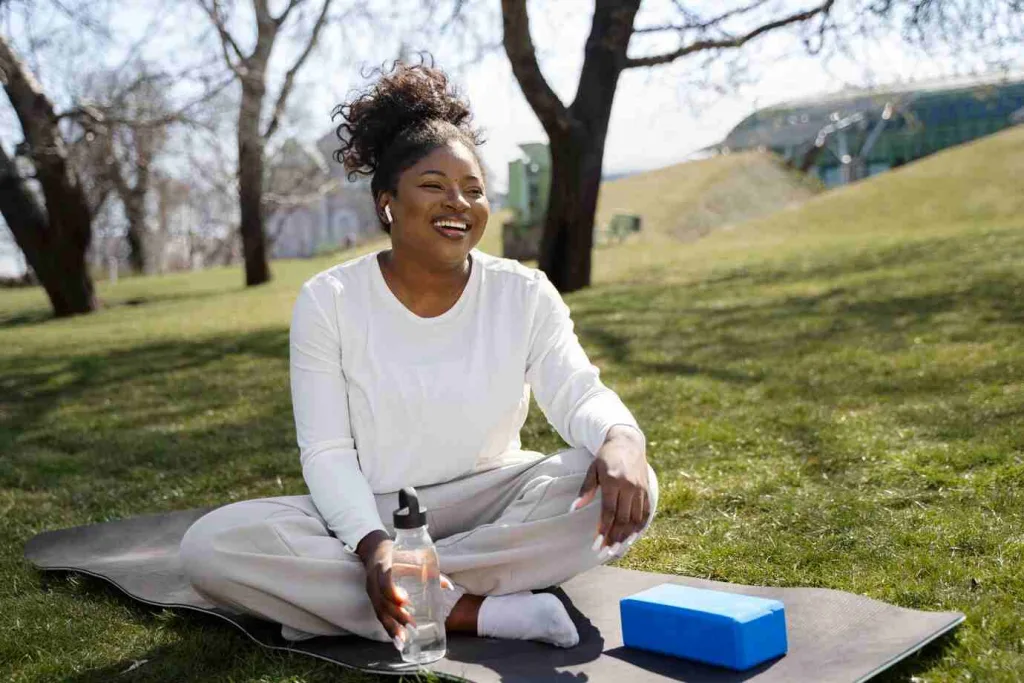
Building a balanced life means caring for both your mind and your body in ways that support long‑term well‑being. When mental health and physical health work together, you feel more energetic, focused, and resilient. The journey toward mental and physical wellness is not about perfection; it’s about making sustainable, friendly choices every day. In this guide, we’ll cover five key areas—stress management techniques, exercise and nutrition basics, sleep optimization, mindfulness and meditation, and work‑life integration—to help you create a balanced life you can enjoy now and into the future.
Stress Management Techniques for a Balanced Life
Chronic stress wears down your body, clouds your mind, and undermines both physical wellness and emotional health. Learning simple stress management techniques is one of the most important steps you can take toward achieving mental and physical wellness.
First, practice deep breathing. When you notice tension—tight shoulders, quickened pulse—pause and take five slow, full breaths. Inhale through your nose, hold briefly, and exhale through your mouth. This activates your body’s relaxation response within seconds.
Second, use progressive muscle relaxation. Starting at your feet and working upward, tense each muscle group for five seconds, then release. This technique helps you identify areas of tension and let them go.
Third, schedule brief stress breaks. Set an alarm or reminder every two hours to stand, stretch, and step outside for one minute. Even a short break from your computer or workspace lowers cortisol levels and refreshes your focus.
Fourth, cultivate supportive relationships. Talking through challenges with a trusted friend, partner, or mentor reduces the load on your nervous system. Aim to share both joys and frustrations regularly.
Finally, keep a simple stress journal. Each evening, jot down one stressor and one action you took to manage it. Over time, you’ll notice patterns—like certain tasks or interactions that trigger you—and learn which techniques work best. Consistent practice of these stress management techniques builds a foundation for balanced mental and physical wellness.
Exercise & Nutrition Basics for Lasting Well‑Being
Your body and brain thrive when you fuel them well and move regularly. Exercise and nutrition are inseparable pillars of a balanced life. You don’t need a gym membership or a strict diet—just consistent, enjoyable habits.
For exercise, aim for at least 150 minutes of moderate activity per week—brisk walking, dancing, swimming, or cycling. Break that into five 30‑minute sessions or ten 15‑minute bursts. Find activities you genuinely enjoy so exercise feels like a gift, not a chore.
Include strength training twice a week. Bodyweight moves—squats, push‑ups, lunges, planks—build muscle, support metabolism, and strengthen bones. Even ten minutes of resistance work can boost mood and energy.
Nutrition starts with breakfast and ends with hydration. Focus on whole foods: colorful vegetables, lean proteins, healthy fats, and whole grains. A simple plate at lunch and dinner might include a lean protein source, two servings of vegetables, and a small portion of whole grains or starchy vegetables.
Snack wisely: pair protein with fiber. Greek yogurt with berries, apple slices with nut butter, or hummus with carrot sticks keep blood sugar stable and curb cravings. Drink water throughout the day—aim for at least eight cups, more if you exercise or live in a hot climate.
Plan meals in bulk to simplify healthy eating. Pick one day to cook extra vegetables, grains, or proteins that you can reheat or assemble later. This reduces decision fatigue and reliance on takeout during busy days.
By combining regular activity with balanced, nutrient‑rich meals, you feed both body and brain. Exercise lifts mood by releasing endorphins and builds resilience. Good nutrition fuels focus, supports immune health, and stabilizes energy. Together, these basics form a core part of your mental and physical wellness routine.
Sleep Optimization: Recharge Your Mind and Body
Sleep is the ultimate reset button for a balanced life. Yet many of us sacrifice rest for productivity, only to find ourselves dragging through the next day. Optimizing sleep transforms both mental wellness and physical performance.
First, establish a consistent sleep schedule. Go to bed and wake up at the same times each day—even on weekends. This regularity trains your body’s internal clock and improves sleep quality.
Second, create a wind‑down routine. One hour before bed, dim overhead lights, silence screens, and engage in calming activities—reading a paper book, gentle stretching, or listening to soft music. Avoid caffeine after mid‑afternoon and heavy meals close to bedtime.
Third, optimize your sleep environment. Keep your bedroom cool, dark, and quiet. Consider blackout curtains, white noise machines, or earplugs if needed. Invest in a comfortable mattress and pillows that support your preferred sleep position.
Fourth, limit blue light exposure. Phones, tablets, and computers emit blue light that tricks your brain into thinking it’s daytime. Use “night mode” settings or apps that reduce blue light, or better yet, power down devices entirely before bed.
Finally, address underlying sleep issues. If you snore heavily, wake gasping, or struggle to fall asleep despite good habits, consult a healthcare professional. Conditions like sleep apnea or restless leg syndrome may require targeted treatment.
When you honor sleep as a non‑negotiable part of your balanced life, you’ll notice sharper focus, improved mood, stronger immunity, and faster recovery from exercise. Sleep optimization is essential mental and physical wellness care.
Mindfulness & Meditation to Calm the Mind
Our minds race with to‑do lists, worries, and endless stimuli. Mindfulness and meditation practice bring attention back to the present moment, reducing anxiety and promoting mental clarity.
Start with short sessions—two to five minutes—sitting quietly and focusing on your breath. Notice the inhale and exhale. When your mind wanders, gently guide it back to the breath without judgment.
Gradually lengthen sessions to ten or fifteen minutes. Explore guided meditations using free apps or online videos. Themes might include gratitude, compassion, or body scans. Experiment to find voices and styles that resonate.
In addition to formal meditation, integrate mindfulness into daily tasks. While eating breakfast, focus on the flavors and textures of each bite. During a walk, observe the sights, sounds, and sensations around you. Even routine chores like washing dishes can become opportunities for present‑moment awareness.
Mindfulness teaches you to observe thoughts without getting swept away. This skill reduces reactive stress, enhances emotional regulation, and strengthens concentration. Over time, a meditation habit rewires neural pathways, making it easier to maintain calm under pressure.
By combining both formal and informal mindfulness practices, you cultivate a peaceful inner environment that supports mental wellness and resilience.
Work‑Life Integration: Harmonizing Career and Personal Well‑Being
True balance isn’t about perfectly splitting time between work and life—it’s about integrating them in a way that honors your priorities and energy. Work‑life integration recognizes that work and personal life are interconnected, and managing both thoughtfully leads to sustainable wellness.
Begin by clarifying your core values. What matters most—family time, creativity, health, community? Use these values to guide how you allocate time each week. Schedule non‑negotiable personal blocks—exercise classes, family dinners, hobbies—just like work meetings.
Next, set boundaries around work. Communicate clear start and end times to colleagues. Silence email or team chats outside those hours. If working from home, designate a specific workspace to create physical separation between work and life.
Leverage small pockets of time. A five‑minute stretch break, a quick gratitude journal entry, or a brief walk between calls can reset your focus and energy. Integrate movement and mindfulness into your workday—stand during calls, practice deep breathing before presentations, or sip water mindfully.
Embrace flexibility when possible. If your schedule allows, shift work tasks to when you’re most alert—perhaps early morning for creative work and afternoons for routine tasks. Similarly, tackle personal errands during low‑energy periods instead of pushing through when you’re drained.
Finally, practice regular reflection. Once a week, review your calendar and ask: Are my activities aligned with my values? Do I feel energized or burned out? Use these insights to adjust your routines.
Work‑life integration is an ongoing experiment. By weaving mental and physical wellness practices into both work and personal contexts, you create a balanced life that sustains you rather than depletes you.
Conclusion
A truly balanced life comes from caring for your mind, body, and spirit through sustainable daily habits. By mastering stress management techniques, embracing exercise and nutrition basics, optimizing your sleep, practicing mindfulness and meditation, and integrating work and life thoughtfully, you lay the groundwork for lasting mental and physical wellness. These strategies are evergreen—applicable anywhere and at any stage of life. Start small: pick one habit to focus on this week, whether it’s five minutes of meditation, a consistent bedtime, or automating a savings transfer. Over time, these simple actions compound, leading you toward a balanced, energized, and fulfilling life. Focus on progress, not perfection, and enjoy the journey to well‑being every step of the way.