Stress is something we all experience at different points in our lives. Whether it’s related to work, personal life, or unexpected events, stress can feel overwhelming. But here’s the good news: while stress itself is inevitable, how we handle it can make a world of difference. By learning and practicing effective stress management techniques, you can reduce anxiety, improve your mental health, and lead a more balanced life.
In this article, we’ll walk through several strategies that are simple, practical, and proven to help you manage stress more effectively. Whether you’re facing everyday pressures or more significant challenges, these tips can help you regain control and calm your mind.
Understanding Stress and Its Impact
Stress isn’t always a bad thing. In small doses, it can motivate you to get things done, push you through challenges, and even improve performance. However, prolonged or chronic stress can take a serious toll on both your physical and mental health.
When your body experiences stress, it releases hormones like cortisol and adrenaline. These chemicals prepare you for a “fight or flight” response, increasing your heart rate, sharpening your focus, and sending extra energy to your muscles. This reaction can be useful in short bursts—like when you’re running late for a meeting or need to meet a deadline—but if you’re constantly in this heightened state, it can lead to burnout, anxiety, depression, and even health problems like high blood pressure or heart disease.
That’s why it’s so important to have stress management tools in your toolkit. Let’s dive into some techniques you can use to reduce anxiety and keep stress in check.
1. Deep Breathing: A Simple but Powerful Tool
One of the simplest yet most effective stress management techniques is deep breathing. It’s something you can do anywhere, at any time, and it works by calming your body’s stress response.
Here’s how to do it:
Find a comfortable place to sit or lie down.
Close your eyes and take a slow, deep breath in through your nose for four counts.
Hold your breath for four counts.
Exhale slowly through your mouth for four counts.
Repeat this process for a few minutes.
Deep breathing helps slow down your heart rate and sends a message to your brain that it’s time to relax. You’ll find that after just a few minutes of mindful breathing, your mind feels clearer, and your body feels less tense.
2. Get Moving: The Power of Physical Activity
Exercise is one of the best ways to reduce stress. When you engage in physical activity, your body releases endorphins—natural chemicals that boost your mood and help relieve tension.
You don’t need to commit to an intense workout routine to experience the benefits. Even a short walk, stretching session, or yoga practice can help lower stress levels. The key is to find an activity you enjoy, so it doesn’t feel like a chore. Here are some ideas:
– Take a brisk walk during your lunch break.
– Try a beginner yoga or Pilates video at home.
– Dance around your living room to your favorite music.
– Go for a swim or bike ride.
3. Practice Mindfulness and Meditation
Mindfulness is about staying present in the moment, without judgment. It’s easy to get caught up in worrying about the future or ruminating on past events, but mindfulness brings you back to the here and now, reducing anxiety and helping you feel more grounded.
You can practice mindfulness in many ways:
– Mindful breathing: Focus on your breath as it enters and leaves your body.
– Body scan: Pay attention to different parts of your body, noticing any tension or discomfort.
– Mindful observation: Observe your surroundings—what do you see, hear, or smell? Stay in the moment without letting your mind wander.
Meditation is another powerful tool for managing stress. Regular meditation can help you build resilience to stress, improve focus, and cultivate a sense of inner peace. You don’t need to meditate for hours—just 5-10 minutes a day can make a difference. Apps like Headspace or Calm can guide you through simple meditation practices if you’re new to it.
4. Prioritize Self-Care: It’s Not Selfish
When life gets busy, self-care often falls to the bottom of the priority list. But taking care of yourself is essential for managing stress. When you’re running on empty, stress feels much more overwhelming.
Here are some simple self-care practices to integrate into your routine:
Sleep: Make sure you’re getting 7-9 hours of sleep each night. Lack of sleep can worsen stress and make it harder to manage daily tasks.
Nutrition: Fuel your body with nourishing foods. Avoid excessive caffeine, sugar, and processed snacks, which can make you feel jittery or fatigued.
Hydration: Drink plenty of water throughout the day. Dehydration can affect your energy levels and mood.
Rest: Take regular breaks throughout the day to give your mind and body a chance to recharge.
Self-care isn’t a luxury—it’s a necessity. When you take care of your physical and emotional health, you’ll be better equipped to handle stress when it arises.
5. Manage Your Time Wisely
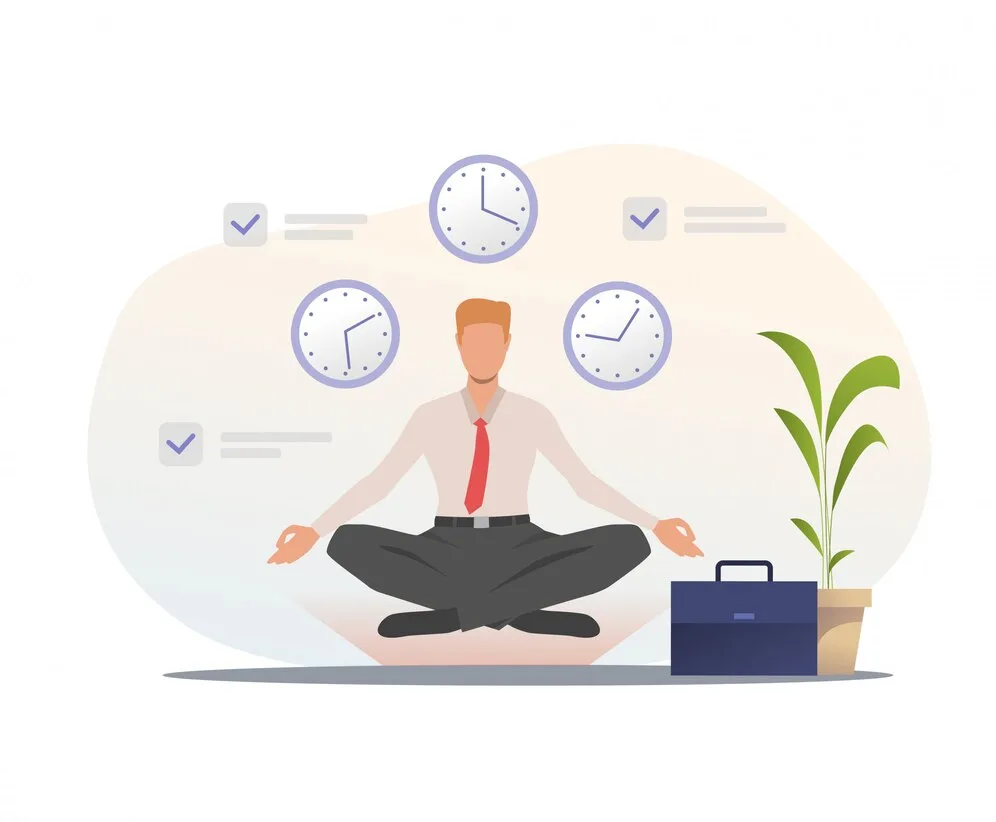
One of the most common sources of stress is feeling like there’s too much to do and not enough time to do it. Effective time management can reduce this stress by helping you stay organized and focused.
Start by making a to-do list each day. Prioritize tasks based on importance and urgency. Break larger projects into smaller steps, and set realistic deadlines. If possible, delegate tasks or ask for help when you need it.
Remember, it’s okay to say no. Overcommitting yourself can lead to burnout and make stress worse. Protect your time by setting boundaries and only taking on what you can handle.
6. Talk to Someone
Sometimes, the best way to relieve stress is to talk about it. Sharing your feelings with a friend, family member, or therapist can help you process what’s going on and gain new perspectives.
If you’re not comfortable talking to someone you know, consider seeking support from a professional counselor. Therapy can provide valuable tools for managing stress and addressing underlying issues that may be contributing to it.
Even if you don’t have a specific problem to solve, simply talking about your day and how you’re feeling can lighten the mental load.
7. Focus on What You Can Control
A lot of stress comes from worrying about things we have no control over. Whether it’s global events, other people’s actions, or unpredictable situations, stressing about what you can’t change is a recipe for anxiety.
Instead, focus on what you can control. For example, while you can’t control the weather or the actions of others, you can control how you react and adapt to those situations. By shifting your focus to what’s within your power, you’ll feel more in control and less stressed.
8. Take Breaks and Have Fun
It’s easy to get caught up in the grind of daily life and forget to take breaks or do things you enjoy. But relaxation and fun are essential for managing stress. Make time for hobbies, activities, and socializing—things that make you happy and help you unwind.
Whether it’s reading a book, gardening, watching a movie, or spending time with loved ones, make sure to carve out time for joy in your life. These moments of relaxation can refresh your mind and help you feel more resilient when stressful situations arise.
Final Thoughts
Stress is a normal part of life, but it doesn’t have to control you. By incorporating these effective stress management techniques into your daily routine, you can reduce anxiety, stay focused, and maintain balance. Remember, everyone’s stress triggers are different, so find the strategies that work best for you. Whether it’s deep breathing, exercise, mindfulness, or simply talking to someone, taking action to manage stress will improve your overall well-being and help you navigate life’s challenges with more ease.