Let’s be honest — the word “budget” often makes people cringe. It sounds restrictive, boring, and full of sacrifice. Many people think budgeting means saying goodbye to everything fun, like hanging out with friends, eating out, or buying things you love. But what if I told you that budgeting doesn’t have to feel like punishment?
You can actually enjoy life and still manage your money smartly. The trick lies in changing how you think about budgeting. It’s not about cutting out happiness — it’s about taking control of your spending so you can enjoy more freedom, not less.
Let’s dive into how you can create a budget that works for you — one that helps you save, grow, and live fully without feeling like you’re missing out.
Rethinking What Budgeting Really Means
Most people think a budget is a list of restrictions. But in reality, a budget is simply a plan for your money. It’s a way of telling your cash where to go instead of wondering where it went.
When you change your mindset from “I can’t spend” to “I choose what to spend on,” budgeting starts to feel empowering. It becomes less about what you’re cutting out and more about what you’re gaining — control, peace of mind, and the ability to enjoy your money without guilt.
Think of a budget as a tool that helps you enjoy your money more consciously. You’re not saying no to everything; you’re saying yes to the things that truly matter.
Why Most Budgets Fail
The main reason most people give up on budgeting is because they make it too strict. They try to eliminate every non-essential expense, and that usually leads to frustration and burnout. You can’t live happily if your budget leaves zero room for joy.
A successful budget has balance. It covers your needs, secures your future, and leaves space for fun. That’s how you make it sustainable.
Budgeting shouldn’t make you feel trapped — it should make you feel free. Free from financial stress, debt, and the anxiety of not knowing if you’ll make it to the next paycheck
Step 1: Start by Understanding Your Spending Habits
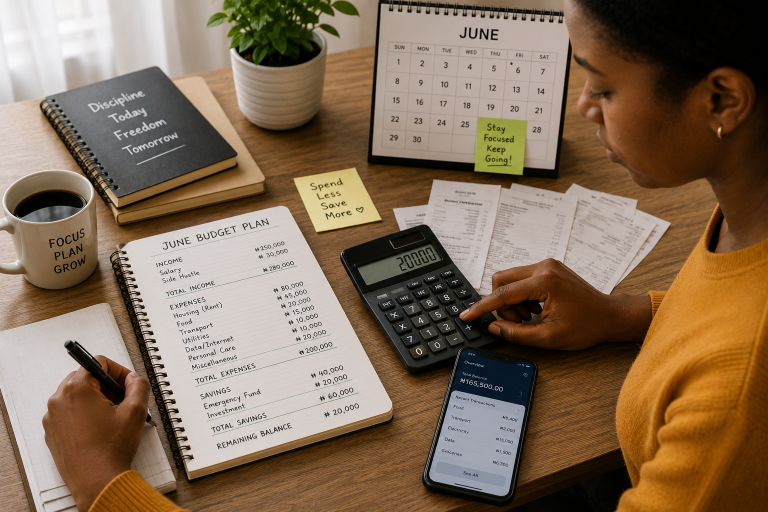
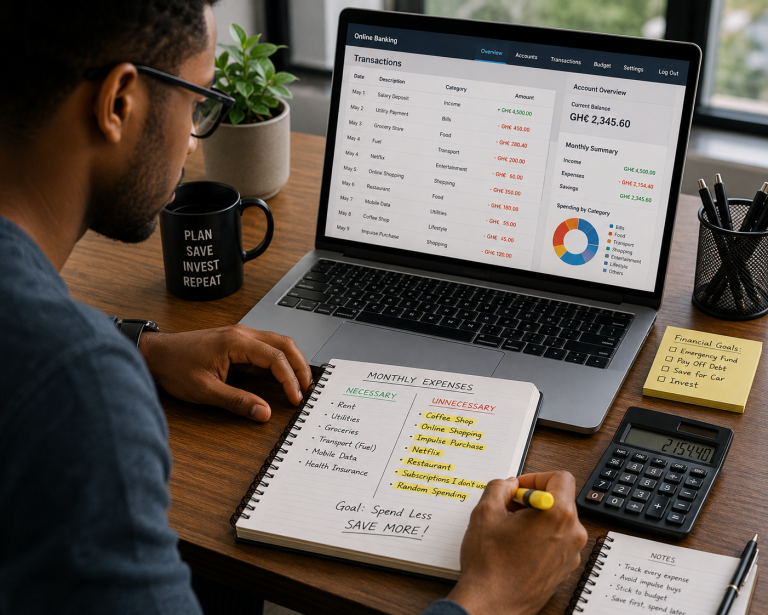
Before you create any budget, you have to know where your money goes. Track your expenses for at least one month. You don’t need fancy tools — just a simple notebook, an app, or an Excel sheet will do.
Write down every expense, no matter how small. You’ll likely be surprised by how much you spend on things like snacks, subscriptions, or takeouts. These are the areas where you can make small, painless cuts.
Once you see your spending clearly, you’ll understand your habits and know exactly where you can adjust without feeling deprived.
Step 2: Build a Budget Around Your Life — Not the Other Way Around
Many people try to force their lives to fit into a strict budget template they found online. That’s a recipe for frustration. Instead, design your budget around your real lifestyle, needs, and goals.
If you love coffee, include it. If weekends with friends are important to you, make room for them. The goal isn’t to erase what makes you happy — it’s to plan for it wisely.
When you build a realistic budget that reflects your life, you’re more likely to stick with it long-term.
Step 3: Use the 50/30/20 Rule as a Guide
You don’t have to complicate things. One of the easiest ways to budget without feeling restricted is by following the 50/30/20 rule.
- 50% of your income goes to needs — things like rent, food, bills, and transportation.
- 30% goes to wants — fun, entertainment, and lifestyle choices.
- 20% goes to savings or paying off debt.
This approach allows you to enjoy life while still being financially responsible. You can adjust the percentages to fit your situation, but the idea is to create a healthy balance.
Step 4: Pay Yourself First
One of the smartest habits you can build is saving before you spend. Most people spend first and save whatever’s left — and usually, nothing is left.
The moment your paycheck comes in, set aside a fixed amount for savings or investments. Treat it like a bill you owe yourself. Automating this process can help. That way, you’re saving without having to think about it, and you can freely enjoy what remains without guilt.
When you pay yourself first, you’re putting your future self at the top of your priority list.
Step 5: Create a “Fun Fund”
Yes, you read that right. A fun fund is money you intentionally set aside for enjoyment — guilt-free. Whether it’s going out, watching a movie, or buying yourself something nice, plan for it in your budget.
This approach changes everything. When fun is part of your budget, you don’t feel guilty spending money, and you’re less likely to overspend impulsively. It’s all about balance — you work hard, and you deserve moments of enjoyment.
Step 6: Learn to Differentiate Between Wants and Needs
Sometimes, it’s easy to blur the line between what you want and what you truly need. You might convince yourself that you “need” that new phone or those trendy shoes — but often, that’s just a want.
Here’s a simple way to tell the difference: If it helps you live, work, or maintain your basic standard of living, it’s a need. Everything else is a want.
When you can identify your wants versus needs clearly, you’ll be able to make better spending decisions without feeling deprived. You’ll save more for the things that genuinely improve your life.
Step 7: Use Cash or a Spending App for Better Control
Digital payments make it easy to lose track of how much you’re spending. Using cash for some categories — like food, entertainment, or shopping — can help you stay aware of your limits.
Alternatively, use budgeting apps that send spending alerts or categorize your expenses automatically. When you can see where your money is going in real time, it’s easier to make mindful choices.
Step 8: Make Small Adjustments Instead of Huge Cuts
You don’t need to cancel every fun expense overnight. Start small. Maybe cook at home three times a week instead of eating out daily. Or skip one subscription you barely use. These tiny changes add up over time without making you feel restricted.
Budgeting is not about being perfect — it’s about being intentional. It’s those gradual improvements that lead to lasting financial habits.
Step 9: Reward Yourself for Staying on Track
Budgeting takes discipline, and you deserve credit for sticking with it. Set small rewards for reaching your financial goals. Maybe treat yourself to something nice after saving a certain amount or hitting a milestone.
These rewards remind you that budgeting isn’t about denial — it’s about balance and progress. The key is moderation. Rewarding yourself keeps the process positive and sustainable.
Step 10: Be Flexible and Review Regularly
Your life, goals, and income will change — and your budget should too. A budget is a living plan, not a fixed rule. Review it regularly and adjust based on what’s working or not.
If you make a mistake or overspend one month, don’t give up. Learn from it, adjust, and move forward. Progress is better than perfection.
Flexibility keeps your budget realistic and helps you stay motivated long term.
The Mindset Shift: Budgeting as Freedom
Here’s the truth — budgeting isn’t about restriction; it’s about freedom. It gives you the ability to spend without fear, to save with purpose, and to plan with confidence.
When you know where your money is going, you worry less. You’re free to say yes to the things that matter because you’ve already planned for them. That’s real financial freedom.
Budgeting doesn’t take away joy — it protects it. It ensures that your happiness today doesn’t steal from your peace tomorrow.
Final Thoughts
Budgeting without feeling like you’re missing out is absolutely possible. It’s not about cutting everything fun; it’s about making room for what truly matters.
When you budget smartly, you can enjoy your favorite activities, save consistently, and still build a secure future. The key is to stay intentional, flexible, and kind to yourself along the way.
Money should work for you, not against you — and a balanced budget is the first step toward making that happen.