Many people in Ghana start businesses every year. You see new shops opening, new online pages popping up, and new side hustles everywhere. Some of them do very well at the beginning. They get customers fast, sales come in, and the excitement is high. Then after a few months or a year, you hear the same story again. The business has closed. The page is inactive. The shop is empty.
This pattern is common, and it raises an important question. Why do so many businesses start strong but fail to last?
Building a business in Ghana is not just about starting. It is about survival, consistency, and growth over time. To build a business that lasts, you must understand the local environment, the people, the economy, and yourself. You must make smart decisions that protect your business not just today, but five or ten years from now.
This article is written for anyone who wants more than quick money. It is for people who want stability, respect, and long-term income. Whether you are just starting or already running a business, this guide will help you understand what it truly takes to build a business that lasts in Ghana.
Understanding the Ghanaian Business Environment
Before you can build a business that lasts, you must understand where you are building it. Ghana has a unique business environment shaped by culture, economy, and daily realities.
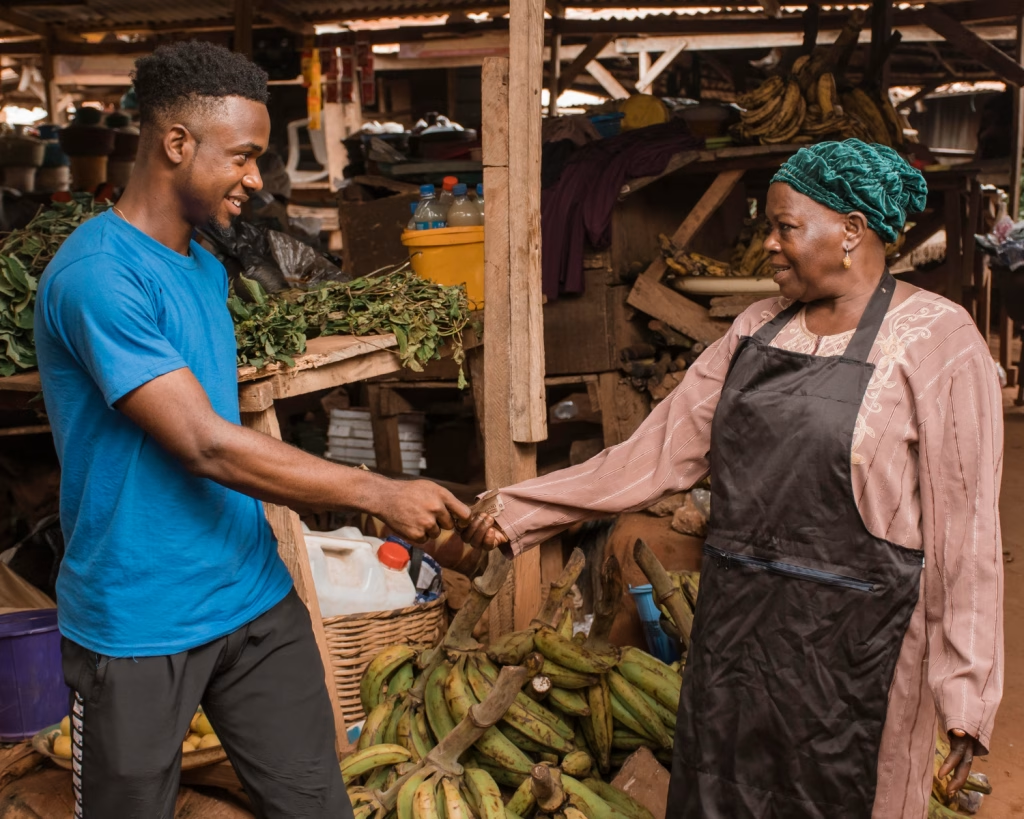
In Ghana, relationships matter a lot. People buy from people they trust. Word of mouth is powerful. Reputation travels fast, both good and bad. At the same time, many customers are price-sensitive. They want value for money and will compare options before buying.
The economy can also be unpredictable. Prices change, inflation affects spending, and access to capital is not always easy. These realities mean that businesses must be flexible and prepared.
A business that lasts in Ghana is one that respects these realities instead of ignoring them. When you understand your environment, you make better decisions and avoid mistakes that push many businesses out too early.
Starting With the Right Mindset
Many businesses fail not because the idea is bad, but because the owner’s mindset is wrong. Some people start businesses only because they see others doing it. Others expect fast money without patience or discipline.
To build a business that lasts, you must see business as a long journey, not a quick escape. There will be slow days, difficult customers, losses, and moments of doubt. If your mindset is weak, you will quit too early.
A lasting business is built by someone who is willing to learn, adjust, and stay consistent even when results are slow. In Ghana especially, patience is a business skill.
Solving Real Problems for Real People
Businesses that last are built around real problems. If your business does not solve a problem, customers will not stay loyal.
In Ghana, people pay for convenience, reliability, and solutions. They want products and services that make life easier, cheaper, or better. The stronger the problem you solve, the stronger your business becomes.
Many people fail because they copy ideas without understanding the demand. They sell what they like, not what people need. To build a business that lasts, your focus should always be on the customer, not just profit.
When customers feel understood, they return. And repeat customers are the backbone of long-lasting businesses.
Starting Small but Thinking Long-Term
One big mistake many entrepreneurs make in Ghana is starting too big. They rent expensive shops, buy too much stock, or spend heavily on branding before testing the idea.
Starting small does not mean thinking small. It means growing wisely. When you start small, you reduce risk and give yourself room to learn.
Businesses that last often begin quietly. They grow step by step, improving along the way. They reinvest profits, adjust pricing, and refine operations.
Long-term thinking helps you avoid pressure. Instead of chasing fast money, you focus on building systems that support growth.
Managing Money With Discipline
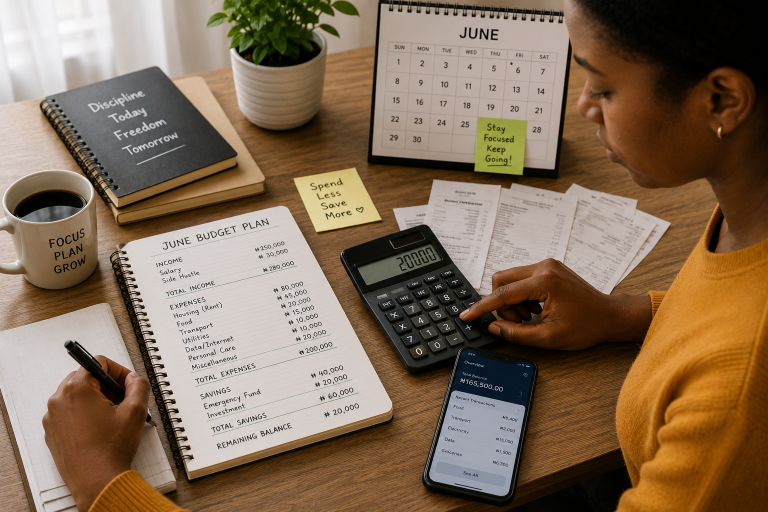
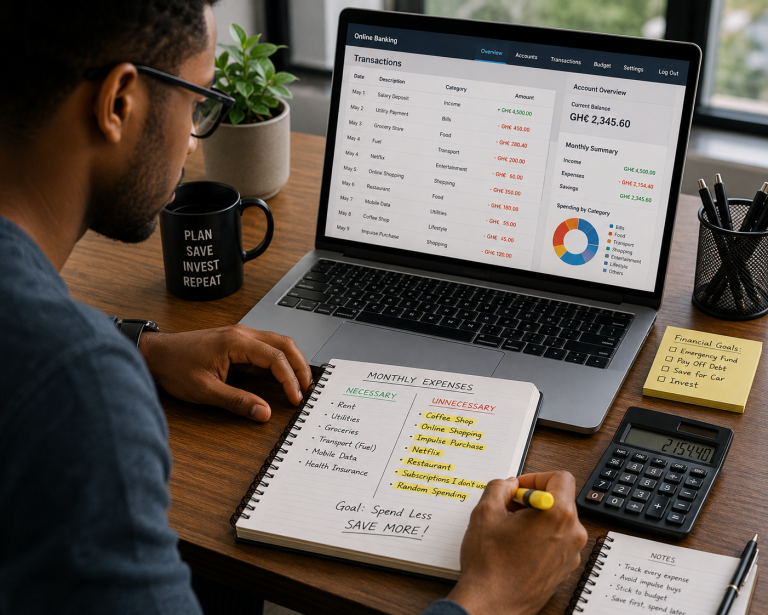
Poor money management kills more businesses than lack of customers. Many businesses in Ghana make sales but still collapse because money is mismanaged.
To build a business that lasts, you must separate personal money from business money. When you mix them, you lose control. You will never know if the business is actually growing or just surviving.
Discipline with money helps you plan ahead. It allows you to restock, pay bills, and prepare for slow seasons. Businesses that last respect cash flow more than appearance.
A simple habit of recording income and expenses can make a huge difference over time.
Building Trust and Reputation
Trust is one of the most valuable assets in Ghanaian business. Once people trust you, they recommend you, defend you, and stay loyal.
Trust is built through honesty, consistency, and reliability. When you promise something, deliver it. When you make a mistake, admit it. Customers respect transparency.
Businesses that last are known for something positive. Maybe it is quality, customer service, or reliability. Whatever it is, they protect that reputation carefully.
A damaged reputation can destroy a business faster than financial problems.
Understanding Your Customers Deeply
To build a business that lasts, you must understand who your customers really are. Not everyone is your customer, and that is okay.
In Ghana, customers have different needs depending on location, income level, and lifestyle. Urban customers behave differently from rural ones. Online buyers think differently from walk-in customers.
When you understand your customers, you communicate better, price better, and serve better. This understanding helps your business stay relevant as trends change.
Listening to customers is free research. Businesses that last listen more than they talk.
Being Flexible and Open to Change
The market will change. Customer behavior will change. Technology will change. A business that lasts must be flexible.
Many businesses fail because they refuse to adapt. They stick to old methods even when customers move on. Flexibility allows you to adjust without losing direction.
In Ghana, adaptability is especially important because economic conditions can shift quickly. A flexible business can survive tough times and take advantage of new opportunities.
Change is not a threat when you are prepared for it.
Building Strong Relationships
Relationships play a major role in Ghanaian business culture. Suppliers, customers, partners, and even competitors matter.
Businesses that last build strong networks. They treat suppliers with respect. They value loyal customers. They collaborate when possible.
Good relationships create opportunities. They lead to referrals, partnerships, and support during difficult times.
A business that stands alone is fragile. A business surrounded by strong relationships is resilient.
Marketing With Honesty and Consistency
Marketing is not just about noise. It is about communication.
In Ghana, people respond to authenticity. Over-promising and under-delivering damages trust. Honest marketing attracts the right customers and keeps them.
Consistency matters more than perfection. A simple message repeated clearly builds recognition over time. Businesses that last show up consistently, even when engagement is low.
Marketing should tell a story people can relate to, not confuse them.
Using Technology Wisely
Technology can help businesses in Ghana grow faster and operate better. Social media, mobile money, and simple digital tools have changed how business is done.
However, technology should support your business, not distract you. Businesses that last use technology to improve efficiency, reach customers, and manage operations.
Digital presence is no longer optional. Customers expect accessibility and communication. But the focus should always remain on value, not trends.
Learning From Failure Without Giving Up
Failure is part of business. Even successful entrepreneurs in Ghana have failed before succeeding.
What separates lasting businesses from failed ones is learning. When something does not work, adjust. When you lose money, understand why.
Failure becomes dangerous only when you refuse to learn from it. Businesses that last turn mistakes into lessons.
Persistence combined with learning is powerful.
Staying Legal and Structured
Legal structure protects your business. Registering your business, keeping basic records, and following regulations build credibility.
A business that lasts prepares for growth. Legal structure allows you to access opportunities like partnerships, contracts, and funding.
Staying legal also protects you from unnecessary stress. Peace of mind helps you focus on growth.
Preparing for Tough Times
Every business will face slow periods. Sales will drop. Costs will rise. Customers will complain.
A business that lasts prepares for these moments. It saves during good times and plans ahead.
Preparedness reduces panic. Panic leads to bad decisions. Businesses that last remain calm under pressure.
Growing at the Right Pace
Growth is good, but uncontrolled growth can destroy a business. Expanding too fast can stretch resources and reduce quality.
Businesses that last grow at a pace they can manage. They ensure systems are ready before expansion.
Slow, steady growth often beats fast, unstable growth.
Investing in Yourself as the Owner
The business can only grow as much as the owner grows. Learning, improving skills, and developing leadership matter.
When you invest in yourself, you strengthen the business. Knowledge helps you make better decisions and avoid costly mistakes.
A business that lasts is led by someone who never stops learning.
Final Thoughts
Building a business that lasts in Ghana is possible. It requires patience, discipline, honesty, and adaptability.
There are no shortcuts. But there are smart paths. When you focus on real value, manage money wisely, build trust, and stay consistent, your business stands a strong chance of surviving and growing.
A lasting business does more than make money. It creates stability, supports families, and contributes to the community.
If you are serious about building something meaningful, start with the right mindset and commit to the long journey.