
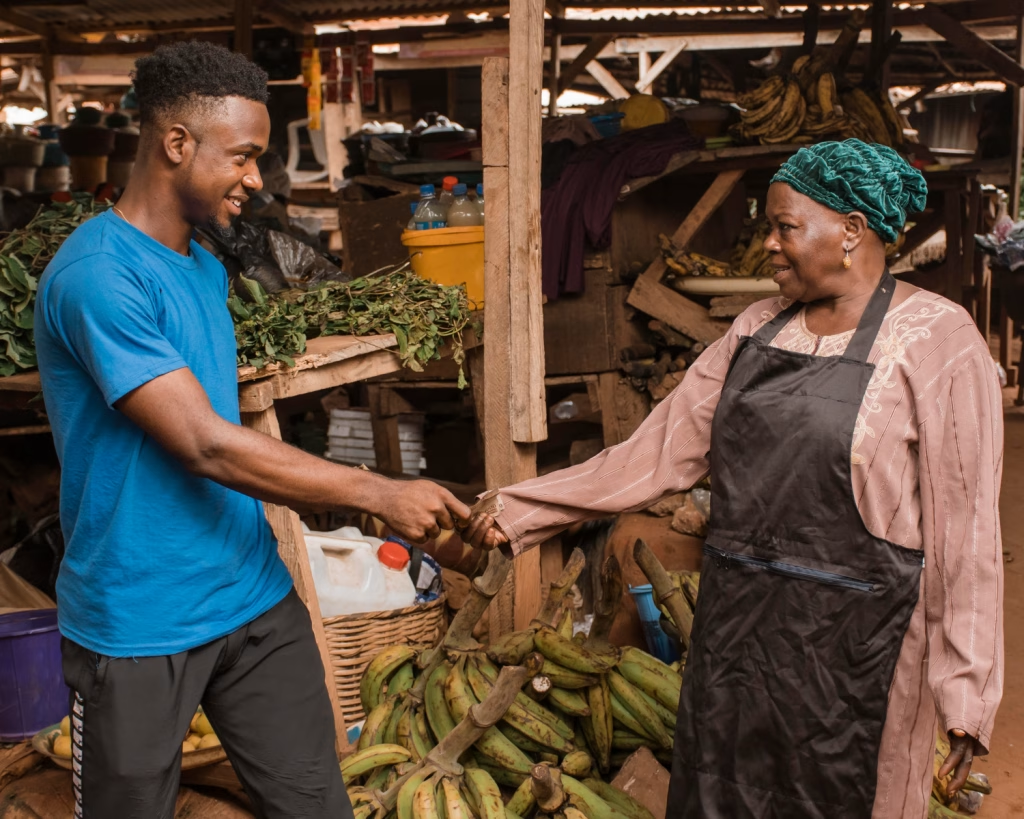
Starting a small brand in Ghana is exciting, but also full of challenges. Many young entrepreneurs launch a business with great ideas but struggle to get people to trust them. Without trust, even the best products or services fail to grow. Building a small brand is not just about making a logo or having a catchy name; it’s about creating a reputation, showing consistency, and connecting with people in a way that makes them feel confident choosing you.
Trust is everything. In Ghana, word of mouth can make or break a small business. When your neighbors, friends, and social media followers know they can rely on your brand, your growth becomes easier. But if you fail to build trust, even massive marketing efforts may bring very little result.
Understand Your Market First
Before you can build a small brand, you must understand who you are serving. Many Ghanaian entrepreneurs jump straight into selling without knowing their audience. This is where failure starts. Are you targeting busy professionals in Accra? Students in Kumasi? Mothers in Tamale? Each group has different needs and expectations.
Understanding your audience means learning what they value. Some care most about quality, others about price, and some about how you treat them. To build trust, you need to show your audience that you understand them. This comes from listening, observing, and adapting your offerings to meet their expectations.
Consistency Builds Trust
One of the most powerful ways to build a small brand people trust is consistency. Consistency shows people that you are reliable. If you promise fast delivery on orders, ensure it happens every time. If your products meet certain standards, don’t let quality fluctuate.
In Ghana, small brands often fail because they start strong but lose focus. A bakery might have perfect bread on opening day but deliver undercooked loaves weeks later. A fashion seller may promise new designs every month but disappear for months. Customers notice these inconsistencies and trust erodes quickly.
Authentic Communication Matters
People can sense when you are being authentic or just trying to sell. Authenticity is at the heart of building a small brand that people trust. Share your story honestly. Talk about why you started, what challenges you face, and what you care about.
In Ghana, customers respond well to personal connections. If you are open about your journey and values, people feel closer to your brand. Social media is a great tool for this. Post real photos, behind-the-scenes moments, and updates about your business. But remember, authenticity doesn’t mean oversharing everything. It means being honest, transparent, and consistent in your messaging.
Deliver More Than Expected
A small brand grows when it delivers more than expected. This doesn’t necessarily mean lowering prices. It could be adding a free sample, responding faster to messages, or packaging products neatly. People remember small gestures.
In Ghana, competition is tough. Many businesses sell similar items. What makes customers choose your brand is the experience around your product. If you consistently exceed expectations, even in small ways, your brand becomes trustworthy and recommended.
Build a Reputation Online and Offline
To build a small brand in Ghana, you need to show up both online and offline. Online presence includes social media pages, a website, and active messaging. Offline presence could be your physical location, market stalls, or community events.
Trust grows when your audience sees you everywhere they expect you to be. Online, respond to comments, share testimonials, and post regularly. Offline, maintain professionalism in service and product presentation. Both spaces reinforce each other and strengthen your brand’s credibility.
Leverage Customer Testimonials
Nothing builds trust faster than other people vouching for your brand. Encourage satisfied customers to share their experience. In Ghana, word-of-mouth remains powerful, but online reviews are gaining importance.
A positive testimonial on WhatsApp, Facebook, or Instagram can attract many new customers. Even short messages about great service or product quality make potential buyers feel safer choosing your brand. Always ask for feedback and use it to improve.
Pricing and Transparency
One mistake many small brands make is hiding costs or being inconsistent with pricing. Transparency in pricing builds trust. When people know what to expect and feel there are no hidden charges, they are more likely to return.
In Ghana, informal businesses sometimes adjust prices depending on the customer, creating confusion and distrust. A small brand that clearly communicates prices, offers receipts, and honors commitments is immediately seen as reliable.
Professional Presentation
Even if your business is small, how you present your brand matters. From logos and packaging to social media graphics and invoices, every detail contributes to perceived professionalism.
In Ghana, presentation can often separate businesses of the same quality. Two tailors might sew equally good clothes, but the one with a clean shop, clear labels, and neat packaging often attracts more customers. Professionalism signals care, quality, and reliability.
Build Relationships, Not Just Sales
Trust grows through relationships, not one-time transactions. Treat customers as people, not numbers. Check in with them after purchases, offer help, and celebrate milestones with them.
In Ghana, small businesses thrive when communities support them. When people feel you care, they become loyal, repeat customers. Building a small brand is not only about what you sell but also about the human connection you create.
Handling Mistakes Gracefully
Even trusted brands make mistakes. A late delivery or a product defect can happen. What matters is how you respond. Apologize promptly, offer solutions, and ensure it doesn’t repeat.
Brands that hide mistakes or blame customers lose trust quickly. In Ghana, social media spreads news fast. A poorly handled mistake can harm your brand reputation overnight. Facing issues transparently strengthens trust instead of weakening it.
Consistent Branding Across Channels
Consistency goes beyond products. Your logo, colors, tone of communication, and even customer service style should align across all channels. This creates familiarity. People begin to recognize your brand instantly.
When customers see consistent branding, it signals professionalism and reliability. In Ghana, many small brands fail because online presence looks different from in-person experience. Matching these helps solidify trust.
Community Involvement Builds Credibility
Small brands that engage in their communities gain trust faster. Sponsoring local events, helping with school projects, or supporting neighborhood initiatives shows that you care beyond profit.
In Ghana, this is especially effective because people prefer businesses that give back. Community involvement positions your brand as a positive force, and people naturally gravitate toward businesses they trust to make a difference.
Patience and Time
Building a small brand is not instant. Trust takes time. Many young Ghanaian entrepreneurs give up because results don’t show immediately. But slow, consistent effort beats fast, short-lived strategies.
Keep showing up, delivering value, listening to feedback, and refining your offerings. Over months and years, your brand reputation grows, and with it, your business stability.
Summary
Building a small brand people trust in Ghana is about more than selling. It’s about understanding your audience, staying consistent, communicating authentically, delivering more than expected, and handling mistakes gracefully. It’s about presentation, relationships, transparency, and patience.
Trust is earned, not bought. And once earned, it becomes the foundation for growth, repeat customers, and even business expansion. Separate your personal feelings from the business decisions, stay consistent, and your brand will naturally become one people believe in.