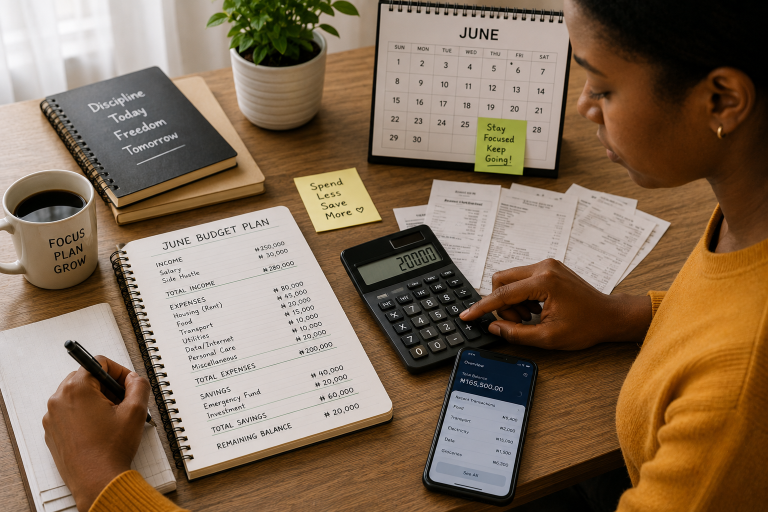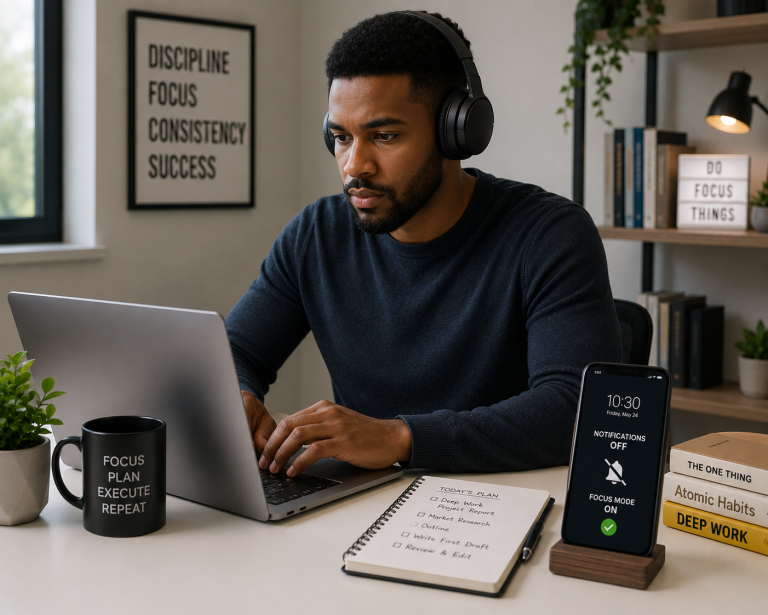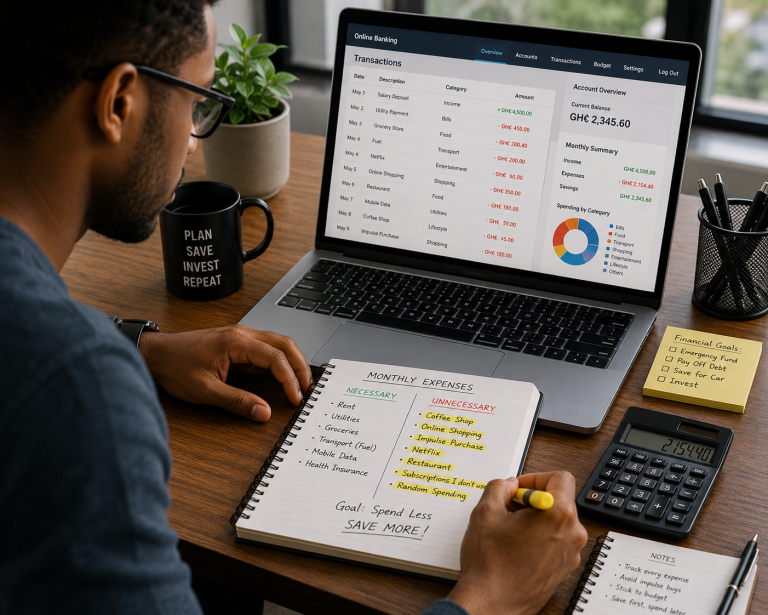

Creating a daily routine often feels like a straightjacket. People hear “routine” and immediately imagine a rigid schedule, alarms, and endless lists of tasks. The truth is, a well-designed daily routine doesn’t have to feel restrictive. In fact, it can make life feel more free. A thoughtfully planned day gives structure without suffocating creativity or spontaneity. It can help you stay productive, reduce stress, and even find time for the things that bring joy.
The idea of freedom and routine might seem contradictory at first, but they are actually two sides of the same coin. Freedom without structure can quickly turn into chaos. Deadlines get missed, priorities get lost, and mental energy drains on decision-making. On the other hand, too much structure can feel like a cage, leaving no room for rest, fun, or spontaneity. The sweet spot is a daily routine that guides your day while allowing flexibility.
Why a Daily Routine Matters
A daily routine is more than a schedule; it’s a framework for your energy, focus, and habits. Humans are naturally creatures of habit. Neuroscience shows that routines reduce the need for constant decision-making, freeing mental energy for more important tasks. Instead of wondering what to do next, you follow a rhythm that supports your goals and well-being.
But the goal isn’t perfection or productivity for its own sake. A routine that feels free balances productivity with enjoyment. It gives you control over your day without locking you into a strict timetable. Over time, this balance can reduce stress, improve mental clarity, and help you consistently make progress toward long-term goals.
Start With Your Priorities
The first step in designing a daily routine that feels free is understanding your priorities. What truly matters to you in your personal life, work, and health? Many people build routines around what they think they “should” do instead of what’s genuinely important. This leads to routines that feel like chores.
Take time to reflect on your priorities. Do you want more time for creativity, fitness, family, or learning? Identify your top three priorities and let them guide the structure of your day. Once you know what matters most, it becomes easier to allocate time intentionally rather than letting your day be dictated by reactive tasks, notifications, or other people’s demands.
Design Your Day Around Energy, Not the Clock
Most people plan their day by the clock: wake up at 6 a.m., work from 9 to 5, exercise at 7, and so on. While time blocks are useful, they can sometimes feel rigid. A more effective approach is to design your routine around your natural energy levels.
Notice when you feel most alert, creative, or focused. Are you a morning person who thrives before sunrise? Or do your best ideas come late at night? Place your most important work during these peak energy periods. Routine doesn’t have to mean following someone else’s schedule; it’s about matching your activities to your rhythms for maximum efficiency and enjoyment.
Include Buffer Zones
A daily routine that feels free isn’t jam-packed from start to finish. Buffer zones—small periods of unscheduled time—allow for flexibility and spontaneous moments. Maybe you need 10 minutes to respond to unexpected emails, or 20 minutes for a short walk to clear your head. These gaps prevent your day from feeling like a never-ending checklist.
Buffer zones also help you adjust when things don’t go as planned. Life is unpredictable, and a rigid schedule can create frustration when things go off course. With flexible spaces built in, you maintain flow without stress, keeping your routine liberating rather than confining.
Start Small and Build Gradually
It’s tempting to overhaul your entire day at once, but sudden changes rarely stick. Instead, start with small, manageable habits. Maybe you begin by waking up 15 minutes earlier for reflection, journaling, or stretching. Or you allocate just 30 minutes for focused creative work daily. Over time, these small shifts compound, forming a routine that supports freedom and productivity naturally.
Starting small also reduces resistance. A daily routine shouldn’t feel like punishment. By introducing changes gradually, you’re more likely to embrace them long-term and maintain a sense of freedom rather than obligation.
Make Your Morning Ritual Intentional
Morning routines set the tone for the day. A well-designed morning ritual doesn’t have to be long or complicated—it just needs to be intentional. Activities like meditation, stretching, a healthy breakfast, or reviewing your priorities can provide a sense of control and calm before diving into tasks.
The key is to focus on actions that energize and prepare you mentally and physically. Avoid starting the day by immediately reacting to emails, messages, or social media notifications. When you control the start of your day, you control the rhythm of your entire routine, making freedom and flow possible.
Integrate Movement and Mindfulness
A routine that feels free includes space for body and mind. Movement—whether it’s a morning run, a short yoga session, or a walk between tasks—boosts energy, improves mood, and helps you stay focused. Mindfulness practices, even just a few minutes of deep breathing or meditation, can reduce stress and increase clarity.
Integrating these elements doesn’t require hours of commitment. Small, consistent practices can have a cumulative effect, keeping your routine supportive and freeing rather than draining.
Combine Tasks and Themes
Grouping similar tasks or focusing on themes for different parts of the day simplifies decision-making. For instance, you could dedicate mornings to deep work, afternoons to meetings or collaborative tasks, and evenings to personal growth or leisure. This approach reduces mental clutter and creates flow, so you aren’t constantly switching gears.
Thematic days or time blocks also make your routine feel less like a rigid schedule. Instead of asking “What should I do next?” you follow a natural rhythm that guides your day efficiently.
Evening Rituals to End the Day
A daily routine isn’t just about mornings and work—it’s about how you close your day too. Evening rituals prepare your mind and body for rest, ensuring you wake up refreshed and ready. Activities like journaling, light reading, or reviewing accomplishments can help you reflect without stress.
Your evening routine should reinforce freedom, not restriction. Avoid overly strict rules or long to-do lists before bed. The goal is closure and calm, so you end the day intentionally and prepare for the next day with clarity.
Technology and Automation
Using technology wisely can make your daily routine feel effortless. Automate reminders, schedule recurring tasks, and use apps to track habits. Tools like Notion, Todoist, or Google Calendar help you visualize your day and reduce the mental load of remembering everything.
Automation doesn’t eliminate freedom; it preserves it. By handling reminders, recurring tasks, or tracking automatically, you free mental space for creativity, relationships, and leisure.
Embrace Flexibility and Adaptation
Even the best routine should not be set in stone. Life changes, energy fluctuates, and priorities shift. A daily routine that feels free adapts to circumstances rather than fighting them. Give yourself permission to adjust plans without guilt.
When your routine is flexible, it encourages flow rather than rigidity. You gain control over your day while maintaining room for spontaneity, creativity, and enjoyment. This mindset shift is crucial to making routines feel liberating rather than confining.
The Mental Benefits of a Free-Feeling Routine
A well-crafted routine provides psychological benefits beyond productivity. It reduces decision fatigue, lowers stress, and improves self-discipline. When your day has rhythm, you spend less time worrying about what comes next and more time fully engaged in what matters.
Moreover, freedom in a routine fosters creativity. By structuring your day thoughtfully, you eliminate distractions and create mental space for original ideas. Many highly creative people use routines not to constrain themselves but to protect their focus and energy.
Final Thoughts
Creating a daily routine that feels free is less about rigid schedules and more about intentional design. Start with your priorities, align tasks with your energy, build buffer zones, and integrate rituals for body and mind. Small, gradual steps build sustainable habits, and flexibility keeps your routine enjoyable.
When done right, a daily routine is not a set of rules to follow—it’s a framework that supports freedom, focus, and fulfillment. It allows you to flow through your day with purpose, balance, and joy, proving that structure and freedom are not enemies but allies in living a life you love.