
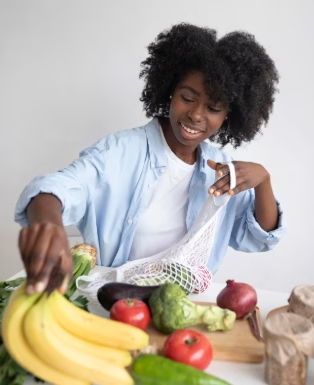
Let’s be honest—most people know they should eat more vegetables, but that doesn’t mean they actually want to. Maybe it’s the texture, maybe it’s the taste, or maybe you just find them boring compared to fries or pizza. But deep down, you probably know that vegetables are essential for your health, energy, and long-term wellness. The problem is, knowing that and actually doing it are two very different things.
The truth is, eating more vegetables doesn’t have to feel like a punishment. You don’t have to turn into a salad-loving fitness influencer overnight or force down tasteless greens just to check a box. You can learn to enjoy vegetables in ways that feel natural, flavorful, and realistic for your lifestyle. Whether you’re someone who avoids veggies at all costs or just wants to get better at including them daily, this article will guide you through it all—without guilt, judgment, or boring advice.
So, let’s have a real talk about how to eat more vegetablesHow to Eat Healthily Without Spending a Fortune even if you hate them, why your body desperately needs them, and how you can sneak them into your meals without losing your appetite or joy.
Why Eating More Vegetables Matters
Before we talk about how to eat more vegetables, it’s worth understanding why they’re so important. Your body runs on nutrients, and vegetables are like nature’s powerhouses. They’re rich in vitamins, minerals, antioxidants, and fiber—all the things your body needs to function properly, fight diseases, and keep your energy stable.
When you eat more vegetables, you’re doing more than just filling your plate—you’re fueling your cells, supporting your immune system, improving digestion, and even helping your skin glow. According to the World Health Organization (WHO), eating at least five servings of fruits and vegetables per day can significantly lower the risk of heart disease, certain cancers, and stroke. Yet, research shows that most adults don’t even get half of that.
A diet rich in vegetables helps keep your gut healthy thanks to fiber, which improves digestion and balances your gut bacteria. It also stabilizes blood sugar levels, reduces cholesterol, and helps maintain a healthy weight. Vegetables like spinach, broccoli, and bell peppers are packed with nutrients like vitamin C, vitamin K, potassium, and folate—all essential for daily health and long-term vitality.
When you don’t eat enough vegetables, your body starts missing out on these natural benefits. You might notice fatigue, poor digestion, dull skin, and even mood changes. The good news? You don’t need to make drastic changes to feel the difference. Even small increases in your vegetable intake can have a powerful impact.
The Real Reason You Might Hate Vegetables
Let’s face it: not everyone grew up eating vegetables in ways that taste good. If your memories of vegetables involve overcooked spinach, soggy cabbage, or bitter greens, it’s no wonder you’re not a fan. Often, it’s not the vegetables themselves that are the problem—it’s how they’re prepared.
Cooking style changes everything. Boiled broccoli might make you gag, but roasted broccoli with olive oil, garlic, and a pinch of salt can taste completely different. Texture matters too. If you hate mushy vegetables, try roasting or stir-frying them for a crispy edge. If you dislike bitterness, try pairing them with natural sweetness like honey-glazed carrots or a squeeze of lemon over kale.
Some people also grew up being forced to eat vegetables, which can create a mental block. You associate vegetables with control or punishment rather than pleasure. But when you learn to prepare them your own way—with flavors you actually enjoy—your relationship with vegetables changes completely.
Also, your taste buds adapt. If you rarely eat vegetables, their flavors might seem intense at first, but your palate adjusts over time. Just like coffee or dark chocolate, vegetables can grow on you when you start including them consistently.
How to Start Eating More Vegetables Without Forcing It
The secret to eating more vegetables isn’t willpower—it’s creativity and consistency. You don’t need to overhaul your diet overnight. Start small. Add vegetables where they naturally fit into what you already enjoy.
If you love pasta, toss in chopped spinach or zucchini noodles. If you like smoothies, blend in a handful of spinach or kale—you won’t even taste it when mixed with fruits. If you love rice, try mixing it with cauliflower rice to make it lighter but still satisfying.
Another trick is to make vegetables a sidekick to your favorite meals instead of the main act. You can have roasted sweet potatoes with grilled chicken, add peppers and onions to your tacos, or load your sandwiches with lettuce, tomatoes, and cucumbers.
The key is to eat more vegetables in ways that feel effortless. It’s not about eating salads all day; it’s about slipping them in until they naturally become part of your routine.
And here’s a fun truth: once your body starts getting those nutrients regularly, you’ll actually crave vegetables more. You’ll notice you feel better—lighter, more energized, and less bloated. That positive feedback keeps you going.
Make Vegetables Taste Better
Here’s the deal—nobody sticks to a habit that doesn’t taste good. To eat more vegetables, you need to make them genuinely enjoyable. Flavor is everything. You can transform plain veggies into mouth-watering dishes with a few simple tweaks.
Roasting is a game-changer. Vegetables like carrots, zucchini, cauliflower, and Brussels sprouts become caramelized and slightly sweet when roasted. Just toss them in olive oil, sprinkle with salt, pepper, and herbs, and bake until golden brown.
Seasoning is another secret weapon. A dash of garlic powder, paprika, or a squeeze of lemon can take a basic vegetable from boring to delicious. Don’t be afraid to experiment with sauces—like tahini dressing, yogurt-based dips, or balsamic glaze.
Texture can also make or break your vegetable experience. If you hate soft textures, go for crunchy raw options like cucumbers, celery, or bell peppers. If you prefer soft, comforting foods, try soups and stews loaded with cooked vegetables that blend smoothly.
And if you truly can’t stand the sight of vegetables, blend them into sauces, soups, or smoothies where you won’t even notice. A pasta sauce made with blended carrots, onions, and tomatoes tastes richer than plain tomato sauce—and adds nutrients without effort.
Turn Vegetables into Comfort Food
Eating vegetables doesn’t mean saying goodbye to comfort food—it just means reinventing it. You can enjoy pizza, pasta, and burgers while sneaking in extra veggies without losing flavor or satisfaction.
Try vegetable-based crusts for pizza, like cauliflower crust. You can also make lasagna with zucchini slices instead of noodles or add finely chopped mushrooms into your burger patties. Replace half your fries with roasted sweet potato wedges, or make baked vegetable chips.
Soups are another easy way to eat more vegetables without even realizing it. Toss in carrots, celery, tomatoes, or leafy greens—they blend perfectly into any broth or stew. You can even puree them into a creamy, flavorful soup that feels indulgent but is packed with nutrition.
The more you experiment, the more you realize vegetables aren’t boring—they’re incredibly versatile. They can be sweet, savory, crunchy, creamy, or spicy, depending on how you cook them.
Make It Easy and Convenient
One of the biggest reasons people don’t eat more vegetables is convenience. Washing, chopping, and cooking takes time. But if you make vegetables as easy as grabbing a snack, you’ll eat them more often.
Start by prepping them ahead. Wash and chop your vegetables after grocery shopping, then store them in clear containers in the fridge. That way, when you’re hungry, they’re ready to toss into meals.
Frozen vegetables are another lifesaver—they’re just as nutritious as fresh ones, sometimes even more because they’re frozen at peak freshness. Keep bags of frozen spinach, peas, and mixed vegetables in your freezer for quick meals.
If cooking feels like a chore, use shortcuts. You can buy pre-cut veggies, salad kits, or steamable vegetable packs. These small conveniences make a big difference in how often you reach for vegetables during the week.
And don’t forget about sauces or dressings. A great dip can make raw veggies irresistible. Hummus, guacamole, or Greek yogurt dips add flavor and texture that make vegetables more appealing as snacks.
Shift Your Mindset About Vegetables
Sometimes, the biggest barrier to eating more vegetables isn’t the food—it’s the mindset. If you see vegetables as “healthy punishment,” you’ll always resist them. Instead, start viewing them as powerful foods that help you feel good and live better.
Vegetables aren’t about dieting—they’re about nourishment. They’re about giving your body the tools it needs to thrive. The more you eat more vegetables, the more you’ll notice subtle changes: better digestion, fewer cravings, improved mood, and steady energy throughout the day.
You don’t have to love every vegetable. You just have to find a few that you like and stick with them. As you try new recipes and cooking styles, you’ll naturally expand your favorites list.
Remember, the goal isn’t perfection—it’s progress. Eating one serving of vegetables today is better than none yesterday. Start there and build momentum.
The Long-Term Benefits of Eating More Vegetables
When you consistently eat more vegetables, your body rewards you in ways you can see and feel. You’ll have better digestion thanks to fiber, clearer skin because of antioxidants, and improved energy due to balanced blood sugar.
Long term, you lower your risk of heart disease, high blood pressure, diabetes, and even some cancers. Vegetables are loaded with anti-inflammatory compounds that keep your body young and strong. Leafy greens, for example, are linked to better brain health as you age.
Eating more vegetables also helps you manage your weight naturally because they’re low in calories but high in volume and nutrients. You feel fuller without overeating. Plus, when your body gets the vitamins it needs, your cravings for junk food often decrease.
This isn’t just about living longer—it’s about living better. You move easier, think clearer, and feel more confident in your body.
The Bottom Line
You don’t have to become a vegetable lover overnight to transform your health. You just have to make small, consistent choices to eat more vegetables every day. Start with the ones you can tolerate, cook them in ways that taste good, and keep experimenting until it feels natural.
Over time, you’ll find yourself craving freshness instead of dreading it. You’ll look forward to meals that leave you energized instead of sluggish. And the best part? You’ll realize that eating more vegetables isn’t about discipline—it’s about self-respect.
Your body deserves good fuel, and vegetables are some of the best gifts you can give it. So go ahead—roast them, blend them, spice them, hide them in sauces if you must—but make them part of your life. You’ll be amazed at how something so simple can make you feel so much better.