
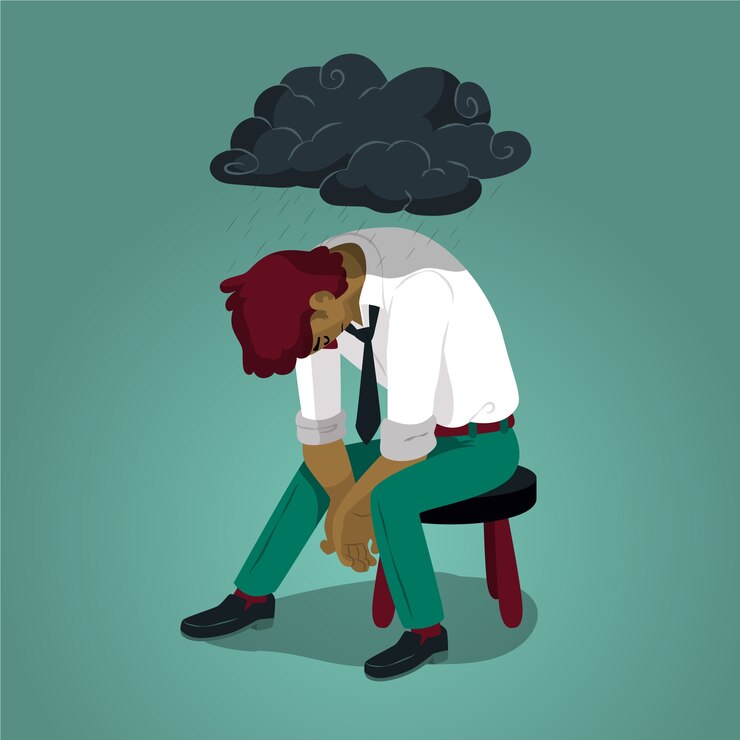
Depression is a common and serious mental health condition that affects millions of people around the world. It can cause persistent feelings of sadness, hopelessness, guilt, and worthlessness, as well as physical symptoms such as fatigue, insomnia, appetite changes, and pain. Depression can interfere with a person’s ability to function at work, school, or home, and can increase the risk of suicide.
If you have a loved one who is struggling with depression, you may feel helpless, frustrated, or worried. You may wonder how you can help them cope with their condition and improve their quality of life. You may also feel overwhelmed by the challenges of supporting someone with depression, especially if you have your own stressors or mental health issues.
However, there are some things you can do to provide effective help and support to your loved one with depression. Here are some tips to keep in mind:
Educate yourself about depression.
The more you understand about the causes, symptoms, and treatments of depression, the better you can empathize with your loved one and help them find the right resources. You can learn more about depression from reputable sources such as the National Institute of Mental Health (NIMH), the World Health Organization (WHO), or the American Psychiatric Association (APA).
Listen without judgment.
One of the most important things you can do for your loved one with depression is to listen to them with compassion and respect. Don’t try to fix their problems, minimize their feelings, or offer unsolicited advice. Just be there for them and let them know that you care and that they are not alone.
Encourage them to seek professional help.
Depression is a treatable condition that can be managed with medication, psychotherapy, or both. However, many people with depression may not seek help due to stigma, shame, or lack of awareness. You can help your loved one by gently encouraging them to see a doctor or a therapist who can diagnose their condition and recommend the best course of treatment. You can also offer to accompany them to their appointments or help them find a suitable provider.
Support their treatment plan.
Once your loved one has started treatment for depression, you can support them by following their doctor’s or therapist’s instructions and reminding them to take their medication as prescribed. You can also help them monitor their progress and report any side effects or concerns to their provider. Additionally, you can encourage them to stick to their treatment plan even if they start feeling better, as stopping treatment prematurely can lead to relapse.
Help them maintain a healthy lifestyle.
Depression can affect a person’s physical health as well as their mental health. You can help your loved one by encouraging them to adopt healthy habits that can boost their mood and well-being. These include getting enough sleep, eating a balanced diet, exercising regularly, avoiding alcohol and drugs, and engaging in enjoyable activities.
Be patient and realistic.
Recovery from depression is not a linear process. It may take time for your loved one to feel better and experience positive changes in their life. There may be setbacks and challenges along the way. Don’t expect them to snap out of it or get over it quickly. Be patient with them and with yourself. Celebrate every small step they take and acknowledge their efforts.
Take care of yourself.
Supporting someone with depression can be emotionally and physically draining. You may feel stressed, exhausted, angry, or guilty at times. You may also neglect your own needs and interests. That’s why it’s important to take care of yourself as well as your loved one.
Make sure you have your own support system of friends, family, or professionals who can listen to you and offer you guidance. Set healthy boundaries and limits on how much time and energy you can devote to helping your loved one. Practice self-care activities that nourish your body and mind, such as meditation, yoga, reading, or gardening.