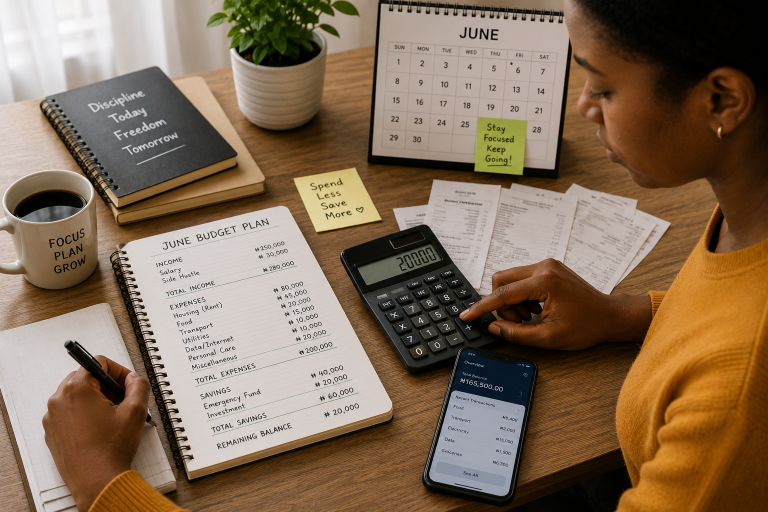
If you’re reading this, chances are you already feel that your money habits could be better. Maybe you’re tired of wondering where your money went each month, or maybe you want to feel more in control of your financial future. Whatever the reason, one thing is clear: resetting your money habits can completely transform your life. And the good news is that you don’t need a finance degree, big salary, or complicated tools to start. What you truly need is awareness, consistency, and a willingness to change the small decisions that shape your financial life.
The truth is that our money habits influence everything—from the way we spend and save to the way we think, plan, and even dream. And because habits run on autopilot, most people don’t notice when their financial decisions drift into unhealthy territory. We often repeat behaviors simply because they feel familiar or comfortable, not because they help us improve. That’s why it’s so important to pause, reset, and rebuild your money habits from the ground up.
In this long, friendly, and easy-to-read guide, we’re going to talk about how you can reset your money habits in a way that feels natural and stress-free. By the time you finish reading, you’ll understand why your financial life feels the way it does, how to fix what’s not working, and how to create a better relationship with money so that you can enjoy more stability, confidence, and freedom.
Why Your Money Habits Matter More Than Your Income
Most people assume that the only reason they’re struggling financially is because they don’t earn enough. But while income plays a role, your habits often matter more than the number on your paycheck. There are people who earn a lot and still live paycheck-to-paycheck. At the same time, there are people who earn modest incomes but still manage to save, invest, and stay financially secure.
This happens because money habits shape your behavior long before money even enters your hands. The small choices you make every day determine whether your finances grow or shrink. Habits like impulse buying, ignoring budgets, not tracking expenses, delaying savings, or being inconsistent with planning can quietly drain your financial energy without you realizing it.
Resetting these habits gives you power. It helps you see your money clearly. It helps you make intentional decisions. And ultimately, it builds a solid foundation for a better life. Because when your money habits are healthy, you worry less, you plan better, and you enjoy more freedom.
Understanding What a “Money Reset” Really Means
A money reset is not about starting from zero or throwing away your entire lifestyle. It simply means taking time to examine your current habits and making adjustments that bring you closer to your goals. It’s like cleaning your room—not because you want to throw everything out, but because you want to remove the clutter and make space for what truly matters.
When you choose to reset your money habits, you are choosing to take back control. You are choosing to stop running on autopilot. You are choosing to become the type of person who makes decisions with intention. The truth is, you don’t have to be perfect with money. You just have to be consistent enough for your small actions to add up over time.
Step One: Becoming Aware of Your Current Money Habits
The first step in resetting your money habits is to understand where you currently stand. Most people underestimate how much they spend, overestimate how much they save, and don’t really track the patterns that shape their money life. Before you make any changes, you need to know which habits help you and which ones hold you back.
Take some time to reflect. Think about your previous month. Ask yourself questions like:
Do I know where my money goes?
Do I spend without thinking?
Do I save only when “extra” money shows up?
Do I get stressed by unplanned expenses?
Do I avoid checking my account because it makes me uncomfortable?
These questions help you become aware of your automatic financial behavior. Awareness is powerful because it exposes the areas that need improvement. Once you know what your real habits are, you can start designing better ones.
A useful reference for financial awareness is research by behavioral economist Dan Ariely, whose work on irrational spending patterns shows how people often make financial decisions based on emotion rather than logic (Source: BehavioralEconomics.com).
Step Two: Building New, Stronger Money Habits That Support Your Life
Once you understand your patterns, you can begin forming new money habits that actually support your goals. The best part? You don’t need to change everything at once. Small adjustments can make a huge difference. For example, deciding to track your spending daily or weekly is a simple but powerful habit. Many people discover that just by paying attention, they begin to spend more intentionally.
Another helpful habit is setting up automatic savings. When money goes directly into a savings account, you remove the temptation to spend it. This habit works silently in the background and builds your financial cushion over time. A study by the Consumer Financial Protection Bureau found that people who automate savings tend to save more consistently because the habit does not rely on motivation or willpower.
You can also build habits around limiting impulse purchases. One popular method is the “24-hour rule,” where you wait a day before buying anything you didn’t plan for. This helps reduce emotional spending, which is one of the biggest obstacles to better money habits.
Step Three: Simplifying Your Money Life to Reduce Stress
One of the biggest mistakes people make is trying to manage money in a complicated way. The more complex your financial routine becomes, the harder it is to stay consistent. A successful money reset requires simplicity. Your habits should feel natural, not stressful.
Start by organizing your accounts. If you have too many mobile money accounts, bank accounts, or digital wallets, consider consolidating to make things easier. Then, simplify your expense categories. You don’t need 20 categories. You only need a few that cover the basics—food, bills, transport, savings, personal spending, and emergencies.
The easier it is for you to track and manage your money, the more likely you are to maintain your new habits. Simple systems survive. Complicated ones don’t.
Step Four: Practicing Consistency Even When You Feel Unmotivated
Motivation comes and goes. Relying on motivation alone is not enough to maintain healthy money habits. Instead, you need consistency. Consistency doesn’t mean perfection. It simply means showing up even when you feel tired or distracted.
One way to maintain consistency is by setting small, achievable financial routines. For example, checking your account every Friday, reviewing your expenses each week, or setting aside a fixed savings amount every month. When the routine becomes part of your lifestyle, you won’t have to force yourself. It will feel natural.
According to research published in the European Journal of Social Psychology, it takes an average of 66 days to form a habit. That means you don’t have to expect instant perfection. You just have to commit to showing up little by little until your new habits become automatic.
Step Five: Creating a Vision for Your Financial Future
Resetting your money habits should not be only about fixing your mistakes. It should also be about building a better life. This is where vision comes in. You need a clear idea of what you want your financial future to look like. That vision becomes your guide. It becomes the reason you save, plan, and stay disciplined.
Think about what you truly want. Maybe you want to travel, support your family, build a business, buy land, or simply live without financial stress. Whatever your dream is, your money habits should support it. When you tie your habits to your vision, every small action becomes meaningful. Saving is no longer a sacrifice—it becomes an investment in the life you want.
Step Six: Letting Go of Guilt and Starting Fresh
A real reset means releasing financial guilt. Everyone has made financial mistakes. Everyone has spent more than they intended. Everyone has had a moment where they wished they handled money better. But dwelling on your past decisions will only hold you back. You cannot build new habits while punishing yourself for old ones.
Give yourself permission to start fresh. Every day is a chance to make better financial choices. Every new habit you adopt brings you closer to the version of yourself you want to become.
Step Seven: Protecting Your New Money Habits from Old Temptations
Once you start building better money habits, you need to protect them. Old habits will try to come back. Temptation will show up—especially in moments of stress or emotion. That’s normal. What matters is building systems that shield you from falling back into unhealthy patterns.
A helpful technique is setting boundaries. For example, keeping your savings on a separate mobile money wallet or bank account so you’re not tempted to spend it. Or creating a weekly spending limit. Or following a personal rule not to shop when you’re bored or stressed.
The better your boundaries, the stronger your habits.
Step Eight: Surrounding Yourself with Better Influences
Your environment plays a big role in shaping your money habits. If you spend a lot of time around people who don’t manage money well, you might feel pressured to follow their lifestyle. But if you surround yourself with people who prioritize financial discipline, your habits will naturally improve.
This doesn’t mean cutting people off. It simply means being aware of how different influences affect your behavior. Follow creators, podcasts, and books that encourage healthier financial thinking. University of Cambridge financial research suggests that financial behaviors are influenced by social factors far more than most people realize. That means your circle and content consumption matter.
Step Nine: Celebrating Small Wins to Boost Confidence
Resetting your money habits is a journey. You will have good days and challenging days. That’s why it’s important to celebrate your small wins. Every time you stick to your budget, track your spending, or save consistently, you’re proving to yourself that you can change. These small wins build confidence. And confidence builds momentum.
Conclusion
Resetting your money habits is one of the most empowering decisions you can make. It gives you clarity, control, and confidence. It helps you build a future where money works for you instead of stressing you. And the best part is that you don’t need to be perfect. You simply need to start, stay consistent, and believe that you deserve a healthier financial life.