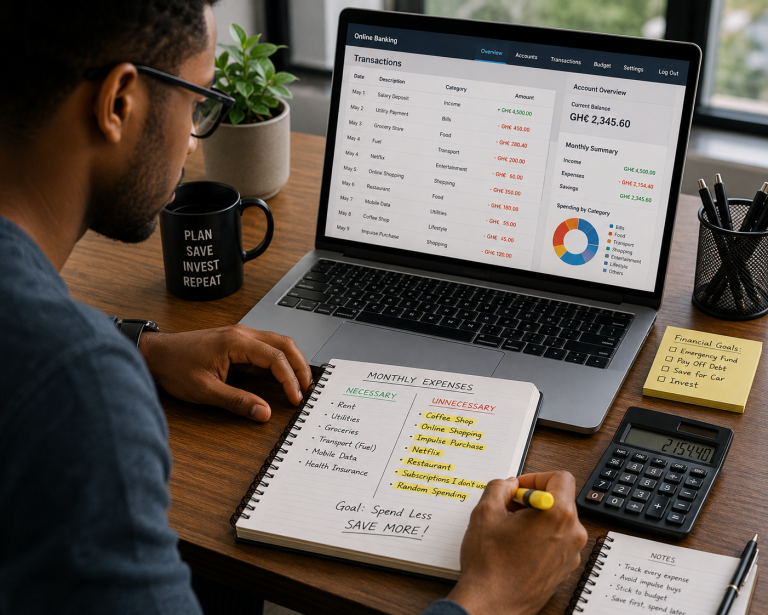
One of the biggest financial challenges many people face is trying to save money while earning a small salary. When most of your income goes toward rent, food, transportation, utilities, school fees, and family responsibilities, saving can feel impossible.
You may have heard financial advice that tells people to save a large percentage of their income every month. While that sounds good in theory, it can be difficult when your salary barely covers your basic needs.
The good news is that saving money is not only for high-income earners. Even if your salary is small, it is still possible to develop saving habits that improve your financial situation over time.
The secret is not necessarily how much you save at the beginning. The real secret is building consistency and making intentional decisions with your money.
Many people believe they will start saving when they earn more. However, those who learn to manage small amounts of money effectively often find it easier to handle larger incomes later.
If you are struggling to save while working with a limited income, this guide will help you understand practical ways to build savings and improve your financial habits.

Why Saving Money Matters
Saving money provides financial security.
Life is unpredictable. Emergencies, unexpected expenses, medical bills, repairs, family needs, or periods of unemployment can happen at any time. Without savings, these situations can create stress and financial hardship.
Savings can help you:
- Handle emergencies
- Reduce financial stress
- Avoid unnecessary debt
- Achieve personal goals
- Prepare for future opportunities
- Build financial confidence
Even small savings can make a difference when unexpected situations arise.
The goal is not to become rich overnight. The goal is to create financial stability one step at a time.
Accept Your Financial Reality
The first step toward saving money is understanding your current situation.
Many people avoid looking closely at their finances because they feel discouraged by how little they earn. However, financial improvement begins with honesty.
Ask yourself:
- How much do I earn each month?
- What are my essential expenses?
- Where does most of my money go?
- What spending habits are helping or hurting me?
- How much can I realistically save?
There is no shame in starting small.
Understanding your financial reality helps you create a plan that matches your actual circumstances instead of unrealistic expectations.
Create a Simple Budget
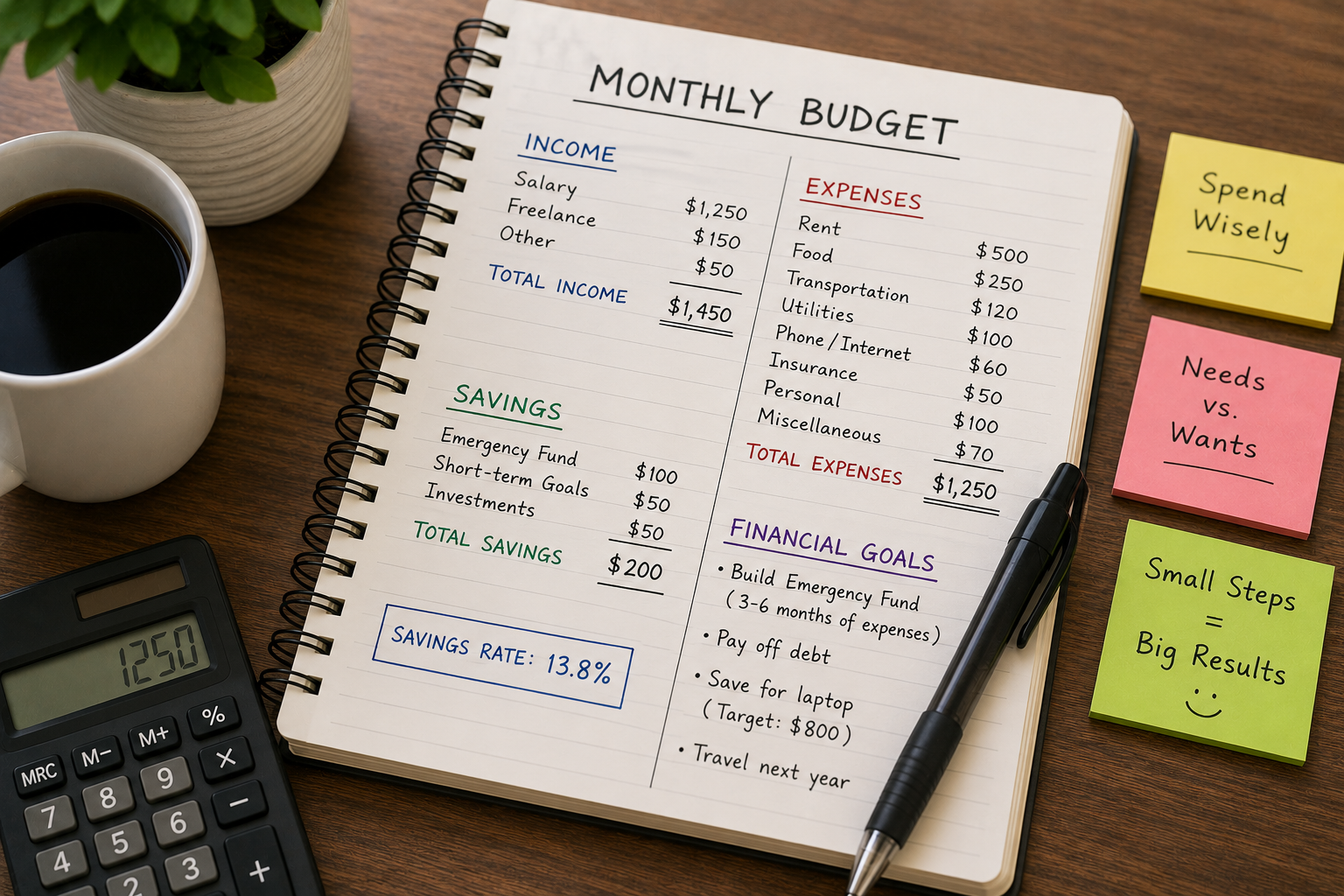
A budget is one of the most powerful tools for saving money.
A budget helps you decide where your money should go before you spend it.
Start by listing:
Income
- Salary
- Side hustle income
- Business income
- Other sources of income
Essential Expenses
- Rent
- Food
- Transportation
- Utilities
- School fees
- Debt payments
Savings
Set aside an amount specifically for savings.
Personal Spending
Include entertainment, personal care, and other non-essential expenses.
A budget gives you control over your money and helps prevent unnecessary spending.
Pay Yourself First
One common mistake is waiting until the end of the month to save whatever remains.
Unfortunately, for many people, nothing remains.
Instead, consider paying yourself first.
When you receive your salary, move a portion into savings before spending on non-essential items.
Even if you can only save a small amount, doing it immediately increases the likelihood that the money will remain untouched.
The habit matters more than the amount.
Start Small and Stay Consistent
Many people avoid saving because they feel the amount they can save is too small.
However, small amounts saved consistently can add up over time.
For example:
- Saving a small amount weekly
- Saving a fixed amount each payday
- Setting aside spare change
- Automatically transferring money to savings
The goal is to build the habit first.
Consistency often matters more than size when developing financial discipline.
Track Your Spending
You cannot improve what you do not monitor.
Tracking your spending helps you identify where your money is going.
For one month, record your expenses.
You may discover:
- Frequent impulse purchases
- Excessive eating out
- Unused subscriptions
- Unplanned spending
- Small purchases that add up quickly
Awareness often leads to better financial decisions.
Once you know your spending patterns, you can identify areas where savings are possible.
Reduce Unnecessary Expenses
Saving money often requires making intentional choices.
Review your spending habits and ask yourself:
- Do I really need this?
- Can I delay this purchase?
- Is there a cheaper alternative?
- Does this align with my financial goals?
Common areas where people can reduce expenses include:
- Eating out frequently
- Impulse shopping
- Entertainment spending
- Subscription services
- Unnecessary transportation costs
You do not need to eliminate every luxury. The goal is simply to spend more intentionally.
Avoid Lifestyle Inflation
Lifestyle inflation happens when spending increases every time income increases.
Many people receive salary increases but continue struggling financially because their expenses rise just as quickly.
When your income improves:
- Increase savings
- Pay off debt
- Build investments
- Strengthen your emergency fund
Avoid feeling pressured to upgrade your lifestyle immediately.
Financial growth often comes from managing income increases wisely.
Build an Emergency Fund
An emergency fund is money set aside for unexpected situations.
Examples include:
- Medical emergencies
- Job loss
- Home repairs
- Transportation problems
- Family emergencies
Without emergency savings, people often rely on loans or debt during difficult times.
Start with a small target and build gradually.
Even a modest emergency fund can provide peace of mind.
Look for Ways to Increase Your Income
Saving money becomes easier when income increases.
Consider opportunities such as:
- Freelancing
- Online work
- Tutoring
- Selling products
- Providing services
- Learning digital skills
- Starting a small side business
Improving your income does not happen overnight, but developing additional income streams can significantly improve your financial situation over time.
Avoid Comparing Yourself to Others
Comparison can lead to poor financial decisions.
Social media often creates pressure to spend money on things that appear impressive but may not be necessary.
Remember:
- Everyone’s financial situation is different.
- Some people are earning more.
- Some people are borrowing money.
- Some people are struggling privately.
Focus on your own goals and financial progress.
Your financial journey does not need to look like anyone else’s.
Save for Specific Goals
Saving becomes easier when you know what you are working toward.
Examples include:
- Emergency fund
- Education
- Business startup
- New equipment
- Travel
- Home improvements
- Professional certifications
Specific goals provide motivation and direction.
Instead of simply saying, “I want to save money,” identify exactly what you want your savings to achieve.

Make Saving Automatic
Automation removes the temptation to spend.
If possible:
- Set up automatic transfers
- Use dedicated savings accounts
- Separate savings from spending money
When saving becomes automatic, consistency becomes easier.
The less effort required, the more likely you are to maintain the habit.
Stay Patient
Building savings with a small salary takes time.
There may be months when progress feels slow. There may be unexpected expenses that temporarily affect your plans.
Do not become discouraged.
Financial success is usually the result of many small decisions repeated consistently over a long period.
The people who build financial stability are not always the highest earners. They are often the people who remain disciplined and patient.
Final Thoughts
Saving money with a small salary is not always easy, but it is possible.
The key is to focus on what you can control. Create a budget, track your spending, reduce unnecessary expenses, save consistently, and avoid comparing your progress to others.
Remember that financial improvement does not happen overnight. Small steps taken consistently can produce meaningful results over time.
You do not need a large salary to start building better financial habits. You simply need a clear plan and the commitment to follow it.
Every amount saved today is a step toward greater financial security tomorrow.