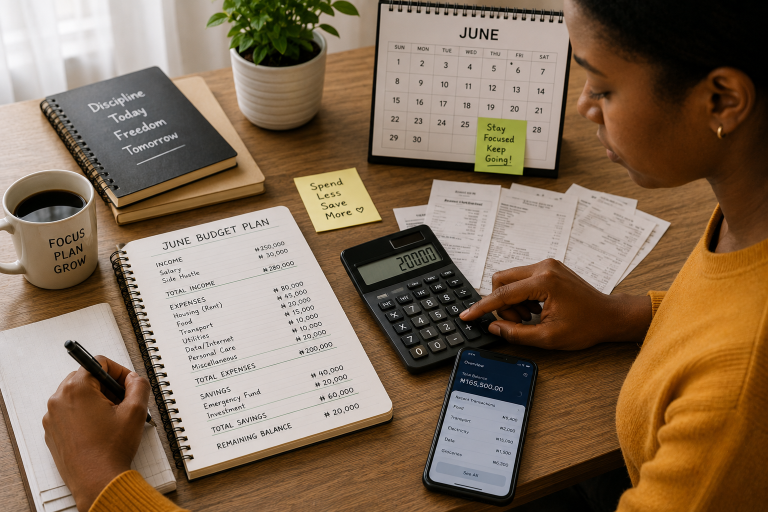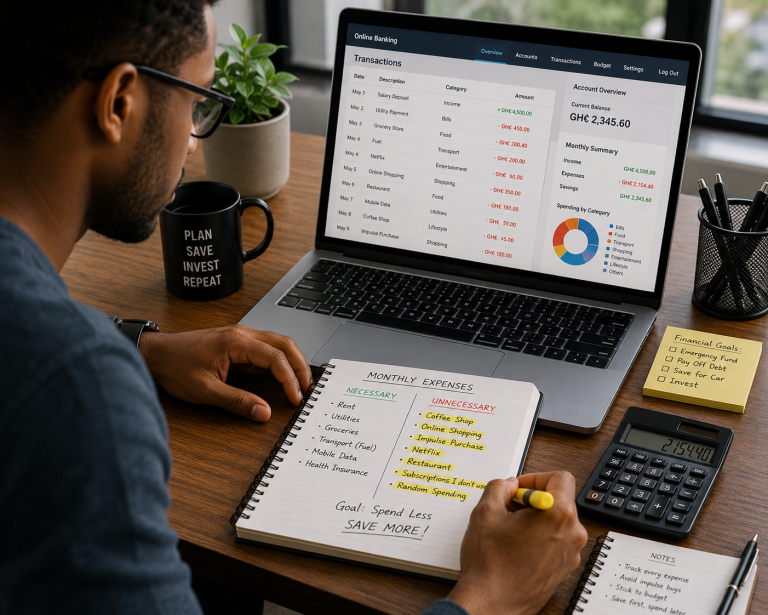

Many people believe investing is only for the wealthy. They imagine that you need thousands of dollars, a financial advisor, or years of market knowledge before you can even begin. That belief stops millions of people from ever getting started. The truth, however, is very different.
Today, it is entirely possible to start investing with $100. Technology, online investment platforms, and fractional shares have opened the door for beginners in ways that were impossible a few decades ago. You no longer need large amounts of money to participate in the financial markets. What matters far more is the decision to begin.
When someone decides to start investing with $100, they are doing something powerful. They are choosing to move from simply earning money to making money work for them. That mindset shift is often the first step toward building long-term financial stability.
In this article, we will have a practical and honest conversation about how to start investing with $100. We will keep things simple and relatable, explain how investing works, and explore beginner-friendly strategies that help your money grow over time.
Why Starting Small Still Matters
Many beginners feel discouraged because they think their starting amount is too small. But the reality is that even small investments can grow significantly over time.
The concept behind this growth is called compounding. Compounding happens when your money earns returns, and those returns begin to earn returns as well. Over time, this creates a snowball effect that can turn small amounts into larger sums.
Research from the U.S. Securities and Exchange Commission highlights how early and consistent investing can dramatically impact long-term financial outcomes. The key factor is not always the amount you start with but the amount of time your money stays invested.
When you start investing with $100, you are building a habit. That habit is often more valuable than the amount itself. People who begin with small investments tend to become more comfortable with financial decisions and gradually increase their contributions over time.
Starting small also reduces fear. Instead of risking large sums, beginners can learn the process while managing a smaller amount of money.
Understanding What Investing Really Means
Before deciding how to start investing with $100, it helps to understand what investing actually is.
Investing means putting money into assets that have the potential to grow in value over time. These assets can include stocks, bonds, funds, or other financial instruments.
Unlike saving, which focuses on protecting money, investing focuses on growing money. However, growth usually comes with some level of risk. Prices can rise or fall depending on economic conditions, company performance, and market sentiment.
Financial institutions such as Investopedia explain that the goal of investing is to generate returns over time while managing risk appropriately.
When you start investing with $100, you are essentially purchasing a small portion of assets that may grow in value in the future.
Understanding this idea makes investing less intimidating. Instead of seeing the stock market as a gamble, you begin to see it as a long-term growth tool.
Technology Has Made Investing Accessible
Years ago, investing required brokers, high fees, and significant starting capital. Today, technology has changed everything.
Online investment platforms now allow beginners to open accounts with minimal deposits. Many platforms also offer fractional shares, which means you can buy a portion of an expensive stock instead of the entire share.
For example, companies like Robinhood and Fidelity Investments have introduced tools that make it easier for beginners to start investing with $100.
These platforms provide educational resources, easy-to-use mobile apps, and low-cost investment options.
The accessibility of modern investing means that financial markets are no longer limited to large institutions or wealthy individuals. Almost anyone with internet access can participate.
The Importance of Building an Investment Habit
When people decide to start investing with $100, the most valuable outcome is often the habit they create.
Investing regularly builds discipline. It encourages people to think about long-term goals rather than short-term spending. Over time, this habit can transform financial behavior.
For example, someone who invests $100 every month will invest $1,200 in a year. Over ten years, that becomes $12,000 before considering any returns.
With consistent growth and compounding returns, that amount can increase significantly.
Research from Vanguard Group suggests that long-term investors who consistently contribute to their portfolios tend to achieve stronger financial outcomes compared to those who try to time the market.
When you start investing with $100, the real goal is not instant wealth. The goal is building a long-term financial habit.
Understanding Risk and Patience
Every investment involves risk. Prices move up and down depending on market conditions.
For beginners who start investing with $100, it is important to understand that short-term fluctuations are normal. Markets can experience periods of volatility where prices change rapidly.
However, historical data suggests that long-term investing tends to produce positive results over extended periods.
Financial research from institutions like Morningstar indicates that diversified investments held over many years have historically produced growth despite short-term market swings.
Patience is essential. Investing is not about quick profits but about steady progress over time.
Learning as You Invest
One of the most valuable aspects of choosing to start investing with $100 is the opportunity to learn.
Investing teaches practical financial skills. Beginners learn how markets work, how economic news affects prices, and how diversification reduces risk.
Many investors begin with small amounts while reading financial articles, watching educational content, and exploring investment tools.
Educational platforms from organizations such as Khan Academy provide accessible resources that explain investing concepts in simple language.
Learning while investing creates confidence. Over time, beginners become more comfortable making informed financial decisions.
Avoiding Common Beginner Mistakes
When people start investing with $100, they sometimes fall into common traps.
One common mistake is chasing trends. Social media and online forums often promote certain stocks or cryptocurrencies that appear to be rising quickly. Beginners may feel tempted to invest without understanding the risks.
Another mistake is expecting fast profits. Real investing focuses on long-term growth, not overnight success.
A more sustainable approach involves diversification and patience. Instead of focusing on a single asset, investors can spread their money across different investments to reduce risk.
Understanding these principles helps beginners build a healthier relationship with investing.
The Power of Consistency Over Time
Consistency plays a bigger role than timing.
Some investors spend years trying to predict the perfect moment to buy or sell assets. But research repeatedly shows that consistent investing tends to outperform attempts to time the market.
When someone chooses to start investing with $100 and continues contributing regularly, they benefit from a strategy known as dollar-cost averaging. This approach involves investing the same amount of money at regular intervals regardless of market conditions.
Over time, this method helps balance out price fluctuations and reduce emotional decision-making.
Consistency allows investors to stay focused on long-term growth rather than short-term market movements.
Building Financial Confidence
Starting with a small amount can help people overcome financial anxiety.
For many beginners, investing feels intimidating. There are charts, numbers, and unfamiliar terminology. But when someone chooses to start investing with $100, the experience becomes manageable.
Instead of feeling overwhelmed, beginners gain hands-on experience with how investing works.
Over time, confidence grows. As knowledge increases, many investors gradually increase their contributions and explore additional investment opportunities.
Confidence is a powerful financial tool. It allows people to make decisions calmly and strategically rather than emotionally.
The Bigger Picture of Wealth Building
Investing is not just about numbers on a screen. It is about creating opportunities for the future.
When you start investing with $100, you are participating in a system that supports economic growth. Investments help fund businesses, innovation, and new technologies.
Companies grow, economies expand, and investors share in that growth through their returns.
Financial markets are complex, but the basic principle is simple. When businesses succeed, investors can benefit as well.
This connection between investing and economic development is one reason why financial experts encourage people to begin investing as early as possible.
The Psychological Benefit of Taking Action
One of the biggest barriers to investing is hesitation. Many people spend years researching, waiting, and planning without ever taking the first step.
But once someone decides to start investing with $100, the mindset changes.
Instead of feeling like an observer of financial markets, they become participants. They begin paying attention to economic news, learning about companies, and thinking more strategically about their financial future.
Taking action often leads to motivation. The simple act of starting can inspire people to save more, learn more, and invest more consistently.
Long Term Thinking and Financial Growth
The most successful investors often share one trait: long-term thinking.
They understand that markets will rise and fall, but they remain focused on gradual growth over many years.
When beginners start investing with $100, they begin developing this long-term perspective. They learn that wealth rarely appears overnight. Instead, it grows steadily through discipline and patience.
Long-term investing aligns with broader financial goals such as retirement savings, education funding, or financial independence.
Over time, consistent investing can create meaningful financial security.
Conclusion
Starting your investment journey does not require a large amount of money. In fact, one of the most powerful financial decisions you can make is to start investing with $100.
That first step represents more than a small financial transaction. It represents a shift in mindset. It signals that you are ready to think about long-term growth rather than short-term spending.
Modern technology has made investing more accessible than ever before. Educational resources, user-friendly platforms, and fractional shares have removed many of the barriers that once prevented beginners from entering the market.
By choosing to start investing with $100, you are building a habit that can shape your financial future. With patience, consistency, and ongoing learning, small investments can grow into meaningful assets over time.