
Running a business in Ghana comes with excitement and challenges. One of the most common problems entrepreneurs face is that their business money seems to disappear too quickly. You invest, stock your store, pay suppliers, and cover expenses, but at the end of the month, funds are often gone faster than expected.
This situation can be stressful and make you question whether your business is sustainable. The truth is, running out of money is not always about low sales—it’s often about how you manage cash, plan spending, and structure your operations. Learning how to manage your business money effectively is one of the most important skills for any entrepreneur.
In this article, we’ll explore practical strategies to stop your business money from finishing fast, improve cash flow, and ensure your business thrives in the long run.
Understanding Cash Flow
Before you can fix the problem, you need to understand what’s happening. Business money is all about cash flow—the money that comes in and goes out of your business. Positive cash flow means more money is coming in than going out, which allows your business to grow. Negative cash flow happens when your expenses exceed income, which can lead to financial strain.
Many Ghanaian entrepreneurs focus on sales but ignore how money moves through their business. Understanding cash flow, including timing of payments to suppliers and when customers pay you, is critical to ensuring your business money lasts.
Separate Personal and Business Finances
One common reason business money disappears fast is mixing personal and business expenses. Using your business account to pay personal bills or withdrawing funds casually can create confusion and make it hard to track finances.
By separating personal and business finances, you know exactly how much money is available for operations, reinvestment, and emergencies. This simple step creates discipline and prevents unnecessary depletion of funds. Many successful Ghanaian small business owners credit this separation as a key factor in maintaining sustainable cash flow.
Budgeting is Key
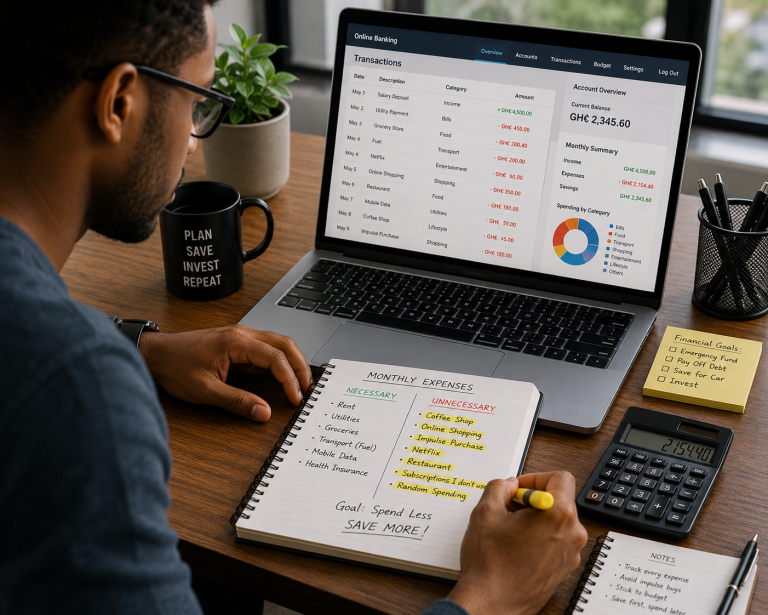
Budgeting is essential for controlling your business money. A realistic budget outlines your expected income, fixed costs like rent and salaries, and variable costs such as inventory or utilities. Without a budget, it’s easy to overspend on things that don’t contribute to growth.
A practical approach is to categorize expenses as necessary and optional. Prioritize spending that directly generates revenue or improves operations. In Ghana, where small businesses often operate with tight margins, budgeting ensures your money is allocated efficiently and avoids running out mid-month.
Track Every Expense
Keeping track of every expense is crucial. Many small businesses fail because they underestimate the cost of operations or forget minor expenses that add up quickly.
Maintaining records, whether in a notebook or a simple digital spreadsheet, allows you to see exactly where your business money is going. Regularly reviewing expenses helps identify unnecessary spending and areas where you can save. Awareness is the first step to controlling finances and extending the life of your cash.
Control Inventory Wisely
Inventory is often a major drain on business money. Overstocking ties up funds that could be used elsewhere, while understocking may result in missed sales.
Successful Ghanaian shop owners carefully track what sells fast and what doesn’t. They order products in manageable quantities and adjust stock based on demand. By controlling inventory, you prevent excess spending and make your business money work more efficiently.
Negotiate With Suppliers
Another way to stretch your business money is by negotiating with suppliers. Many entrepreneurs pay the full amount upfront without considering flexible payment options.
In Ghana, suppliers may allow installment payments, discounts for early payment, or bulk purchase deals. Negotiating terms that work for your cash flow helps maintain funds for other critical areas. When suppliers see that you are a reliable partner, they are often willing to offer better terms, benefiting your business in the long term.
Avoid Unnecessary Borrowing
While loans and credit can help businesses grow, borrowing unnecessarily can quickly drain your business money through interest and fees. Only take loans when they are essential for growth, and ensure you have a repayment plan that doesn’t strain cash flow.
Understanding the real cost of borrowing and evaluating whether it will generate profit before taking credit is a smart way to protect your business money.
Focus on High-Return Activities
To prevent your business money from finishing fast, prioritize spending on activities that yield the highest returns. Marketing, training staff, or investing in high-demand products can generate more revenue than splurging on low-impact items.
In Ghana, businesses that identify what drives sales and allocate resources wisely see their money last longer and generate better returns. Avoid spending on unnecessary luxuries that don’t contribute to growth.
Build an Emergency Fund
Every business should have a reserve of cash for unexpected expenses. Emergencies like equipment failure, sudden rent increases, or market fluctuations can quickly eat into business money.
Setting aside a portion of your income each month for emergencies creates a safety net. Even a small fund can prevent a cash shortage from spiraling into a bigger problem, ensuring your business continues running smoothly.
Monitor Sales and Adjust Strategy
If your business money runs out quickly, it may indicate that your revenue is not keeping pace with expenses. Monitoring sales trends and adjusting your strategy is essential.
Identify products or services that sell best and focus on promoting them. Conversely, reduce investment in low-performing areas. In Ghanaian markets, flexibility and responsiveness to customer preferences can make a significant difference in maintaining steady cash flow.
Reduce Waste and Improve Efficiency
Inefficiency is a silent killer of business money. Unnecessary waste, whether through poor inventory management, energy usage, or staff productivity, drains resources.
Implementing simple efficiency measures, such as reducing utility costs, optimizing delivery routes, or training staff to minimize mistakes, can significantly extend the life of your business money. Ghanaian entrepreneurs who pay attention to efficiency often find they can do more with the same resources.
Use Technology to Track Finances
Technology can help you manage business money effectively. Simple tools like mobile money tracking, accounting apps, or digital spreadsheets provide real-time insights into cash flow.
Many small businesses in Ghana have successfully adopted mobile money solutions, which simplify payments and record-keeping. This ensures accurate tracking of money coming in and going out, helping you make timely decisions and avoid financial surprises.
Review and Adjust Regularly
A common mistake is to create a plan for your business money and then forget it. Regularly reviewing financial data and adjusting your spending, pricing, or strategy is crucial to ensure money lasts.
Monthly reviews allow you to spot trends, identify inefficiencies, and make informed decisions. For Ghanaian businesses, this practice prevents surprises and helps sustain growth even in a changing market.
Teach Your Team About Money Management

If you have staff, involve them in managing resources wisely. Employees who understand the importance of cost control, careful inventory handling, and efficiency contribute to saving business money.
In Ghanaian retail and service businesses, a responsible team can make a big difference in reducing waste, preventing theft, and improving overall cash management. Shared responsibility helps your business money last longer and ensures sustainability.
Avoid Lifestyle Inflation
As your business grows, it’s tempting to spend more on luxuries, office decor, or unnecessary perks. This lifestyle inflation can quickly deplete business money.
Successful entrepreneurs focus on reinvesting profits into the business rather than personal indulgences. By maintaining discipline and separating personal desires from business finances, your money lasts longer and fuels growth.
Conclusion
Running out of business money too quickly is a common challenge, but it can be managed with practical strategies. Understanding cash flow, budgeting, controlling inventory, negotiating with suppliers, and prioritizing high-return activities are essential steps.
In Ghana, where resources can be limited and markets competitive, managing business money wisely is critical for long-term success. By tracking expenses, monitoring sales, creating emergency funds, and using technology, entrepreneurs can stretch their funds further and grow sustainably.
Discipline, planning, and focus on efficiency are key. When you manage your business money well, you prevent financial stress, create stability, and set your business on a path to growth. Every cedi counts, and smart management ensures that your business money works for you, not against you.