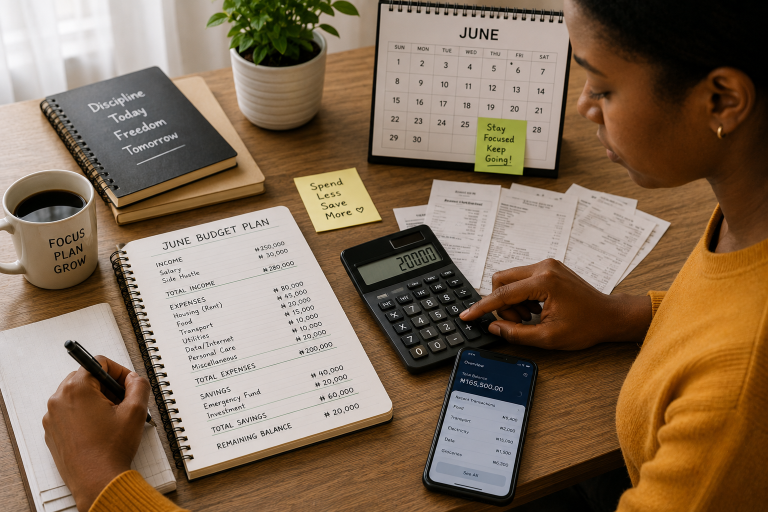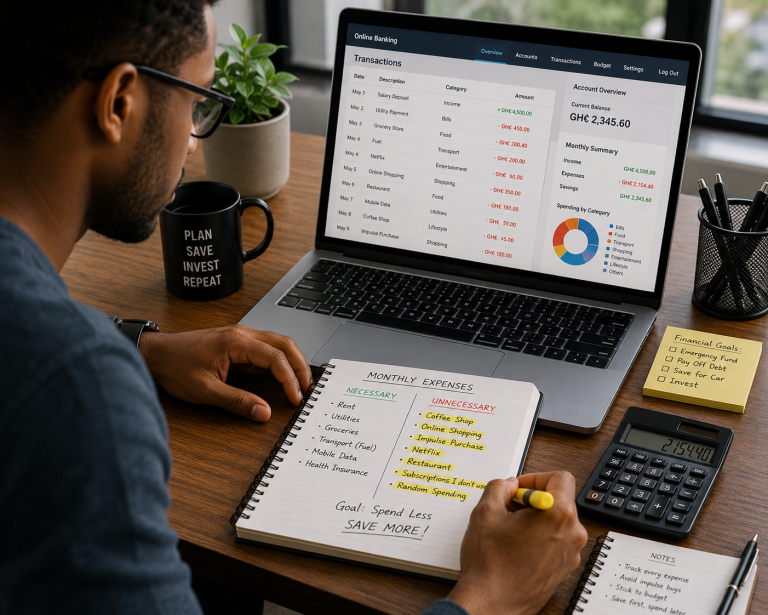

Tracking your progress is one of the best ways to grow. Whether it’s fitness, finances, or personal goals, knowing how far you’ve come keeps you motivated and focused. But sometimes, tracking can turn into a trap — one where you stress over numbers, compare yourself to others, or feel guilty when progress slows down.
The truth is, tracking your growth should help you, not control you. Progress is meant to guide your journey, not define your worth. So, how do you stay consistent without losing your peace of mind? Let’s talk about how to track your progress the healthy way.
1. Focus on Direction, Not Perfection
When people start tracking progress, they often fall into an all-or-nothing mindset. They think success means a straight line upward — but real growth never looks like that.
Some weeks you’ll feel unstoppable; other times you’ll move slowly or even backtrack. That’s normal. What matters isn’t whether you’re perfect, but whether you’re moving in the right direction.
If your savings grow a little each month, or your fitness improves gradually, that’s progress. Don’t downplay small wins — they’re what build big results over time.
So instead of obsessing over how fast you’re growing, ask yourself: Am I getting better than I was yesterday?
2. Use Data as a Tool, Not a Judgment
Numbers and data are useful — they help you see trends, make smarter decisions, and adjust your strategy. But they shouldn’t become a source of shame.
For example, if you’re tracking your workouts, your savings, or your productivity hours, treat those numbers as feedback, not failure.
If something didn’t go as planned, it doesn’t mean you’re not improving. It just means you have more information to work with. That’s progress in itself.
Healthy tracking is about curiosity, not criticism. You’re collecting clues, not evidence against yourself.
3. Choose the Right Metrics
Not everything that matters can be measured, and not everything measurable truly matters.
Instead of tracking everything, focus on the few key areas that actually drive your goals. For instance:
- If you’re saving money, track your monthly savings rate — not every tiny expense.
- If you’re building a new habit, track how consistent you are, not how perfect.
- If you’re growing your business, track engagement and feedback, not just likes or followers.
Choose metrics that reflect real progress, not surface-level vanity stats. This keeps you motivated by what truly matters, not what looks good on paper.
4. Set Milestones, Not Deadlines
A common reason people get obsessed with progress tracking is because they treat every goal like a race. But growth doesn’t have to be rushed.
Instead of saying, “I must achieve this by next month,” try saying, “I’m aiming to hit this milestone, and I’ll check in after.”
Milestones help you celebrate progress along the way, instead of fixating on the finish line.
Think of them like checkpoints that remind you you’re on track — even if you’re not there yet.
5. Journal, Don’t Judge
One of the healthiest ways to track progress is through reflection, not measurement.
Instead of relying only on charts or apps, try writing about your progress weekly. Ask yourself:
- What went well this week?
- What did I learn about myself?
- What do I want to improve next time?
When you reflect, you connect emotionally with your growth instead of just tracking numbers. You start seeing yourself as a person evolving — not a project to fix.
Journaling keeps you mindful of how far you’ve come, without turning progress into pressure.
6. Limit How Often You Check Progress
Checking your progress every single day can create unnecessary stress — especially when growth happens slowly.
Instead, schedule “progress check-ins.” Maybe once a week for small goals or once a month for bigger ones.
This gives you enough time to make real improvements between check-ins. Plus, it keeps your mind focused on doing the work instead of constantly measuring it.
Remember: growth doesn’t happen in the mirror every day — it happens quietly, over time.
7. Celebrate the Small Wins
We often skip over small victories because they don’t seem big enough. But those tiny wins are what keep momentum alive.
Every time you complete a workout, save a few extra dollars, or write one more page — that’s progress worth celebrating.
Reward yourself with something that feels good but aligns with your goals — a day off, a good meal, or simply acknowledging your effort out loud.
Celebrating small wins helps you stay motivated without becoming obsessed with perfection.
8. Stop Comparing Your Progress to Others
Nothing kills motivation faster than comparison.
Someone else’s journey isn’t yours. They might have different starting points, resources, or priorities. Comparing your progress to theirs is like comparing the sunrise in two different cities — they’ll never look the same.
Focus on your lane. Compete with your past self, not with other people. That’s the only comparison that leads to real growth.
9. Rest Is Part of Progress
You don’t have to be “on” all the time to move forward. Rest and reflection are part of the growth process.
When you rest, you recharge. You give your mind space to think clearly and your body time to recover. That way, when you return to your goals, you perform better and with more balance.
If you feel guilty for slowing down, remind yourself: growth isn’t just about doing — it’s also about becoming.
10. Focus on Who You’re Becoming
At the end of the day, progress isn’t just about what you’ve achieved — it’s about who you’re becoming through the process.
Tracking should help you see patterns, build discipline, and understand yourself better. The goal isn’t just to reach a number, but to grow into a person who’s patient, consistent, and confident.
So instead of saying, “I’ll be happy when I hit my goal,” start saying, “I’m proud of who I’m becoming while chasing it.”
That’s real progress — and it’s worth more than any chart or metric.
Conclusion
Tracking your progress can either lift you up or burn you out — it all depends on how you approach it.
When done with balance, it keeps you focused, motivated, and aware of your growth. But when done obsessively, it becomes a source of stress.
So track wisely. Focus on learning, not judging. Take pride in consistency, not perfection. Progress should make you feel empowered, not exhausted.
Remember: growth isn’t about racing to the finish line — it’s about becoming your best self along the way.
How often should I track my goals?
Once a week or once a month works best. It gives enough time to see real results without becoming obsessive.
How do I stay motivated when progres
Focus on your effort, not the outcome. Progress always feels invisible before it becomes undeniable.