
Let’s be honest for a moment.
Have you ever asked yourself, “Where did all my money go?”
You received money, maybe your salary, business income, or allowance. You had plans for it. But somehow, before the month ends, the money is gone, and you cannot clearly explain where it went.
If that sounds familiar, you are not alone.
Many people struggle with money not because they don’t earn enough, but because they don’t track spending.
Tracking your spending is one of the most powerful financial habits you can build. It gives you awareness. It gives you control. And most importantly, it helps you make better decisions with your money.
According to research from National Endowment for Financial Education, people who actively monitor their expenses are more likely to improve their financial health over time.
The good news is that learning how to track spending does not require complicated systems or expensive tools. It simply requires consistency and awareness.
In this article, we will walk through simple, practical, and relatable ways to track your spending efficiently and build better money habits.Why Tracking Your Spending Matters
Before you learn how to track spending, you need to understand why it matters.
Money flows in and out of your life every day. If you are not paying attention, it is easy to lose track of it.
Small expenses add up quickly. Buying snacks, paying for transport, subscriptions, and impulse purchases may seem small individually, but together they can take a large portion of your income.
Tracking your spending helps you see the full picture.
It shows you where your money is going, what you are spending too much on, and where you can improve.
Experts from Investopedia explain that financial awareness is the first step toward better money management.
When you start to track spending, you move from guessing to knowing.
And that knowledge changes everything.
Awareness Changes Behavior
One interesting thing about money is this.
The moment you start to track spending, your behavior begins to change.
You become more conscious of your choices.
Before buying something, you start to think, “Do I really need this?”
This simple awareness can reduce unnecessary spending without forcing yourself to follow strict rules.
Tracking creates accountability.
It is like holding up a mirror to your financial habits. And once you see your habits clearly, it becomes easier to improve them.
According to behavioral research from Harvard Business Review, awareness plays a key role in changing habits and improving decision-making.
This is why tracking is so powerful.
Start with Simple Methods
Many people avoid tracking their spending because they think it is complicated.
They imagine spreadsheets, complex systems, or accounting knowledge.
But the truth is, you can start with something very simple.
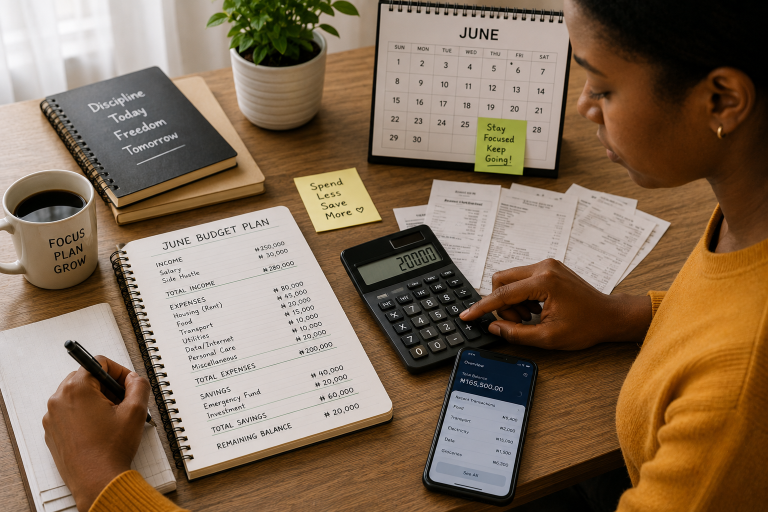
You can write down your expenses in a notebook. You can use your phone notes. Or you can use basic tools like Microsoft Excel.
The goal is not perfection. The goal is consistency.
Every time you spend money, record it.
At first, it may feel like extra work. But after a few days, it becomes easier.
And once it becomes a habit, it turns into one of the most valuable ways to track spending.
Categorize Your Expenses
Tracking alone is good, but organizing your expenses makes it even more effective.
When you track spending, try to group your expenses into categories.
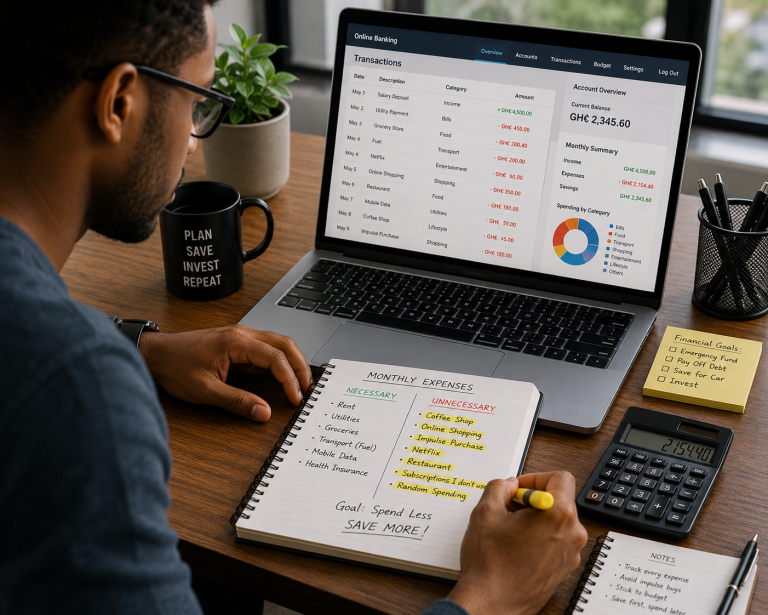
For example, you might have categories like food, transport, rent, entertainment, and savings.
This helps you see patterns.
You may discover that you are spending more on certain areas than you expected.
For example, you might think you spend a small amount on food, but when you track it, you realize it is much higher.
This insight helps you make better decisions.
Experts from World Bank highlight that categorizing expenses improves financial planning and resource management.
Use Digital Tools to Make It Easier
Technology has made it easier than ever to track spending.
There are many apps and tools designed to help you manage your finances.
Apps like Mint allow you to track expenses automatically, categorize spending, and view reports.
These tools save time and provide useful insights.
You can see charts, trends, and summaries of your spending.
However, tools are only helpful if you use them consistently.
Whether you choose a simple notebook or a digital app, the key is to keep tracking regularly.
Review Your Spending Regularly
Tracking your spending is not just about recording numbers.
It is also about reviewing them.
At the end of each week or month, take time to look at your records.
Ask yourself simple questions.
Where did most of my money go?
Did I spend on things that truly matter?
What can I improve next month?
This reflection is an important part of learning how to track spending effectively.
According to financial experts from Consumer Financial Protection Bureau, regular review helps individuals identify spending patterns and make better financial decisions.
Without review, tracking loses its purpose.
Set Spending Limits
Once you understand your spending patterns, you can start setting limits.
Limits help you control your expenses and stay within your budget.
For example, you can decide how much you want to spend on food, entertainment, or shopping each month.
When you track spending, these limits become easier to follow.
You can see when you are approaching your limit and adjust your behavior.
This prevents overspending and helps you stay in control.
Avoid Impulse Spending
Impulse spending is one of the biggest challenges people face.
It happens when you buy something without planning or thinking.
Tracking your spending helps reduce impulse purchases.
When you know you are recording every expense, you become more careful.
You pause before spending.
You think about whether the purchase is necessary.
This simple pause can save you a lot of money.
Developing this awareness is a key part of learning how to track spending effectively.
Build Consistency Over Time
Like any habit, tracking your spending requires consistency.
It is not something you do once and forget.
You need to make it part of your daily routine.
At first, you may forget to record some expenses. That is normal.
The goal is not to be perfect, but to keep improving.
Over time, tracking becomes natural.
And once it becomes a habit, it becomes one of the most powerful financial skills you can have.
The Long Term Benefits of Tracking Spending
When you consistently track spending, the benefits go beyond just knowing where your money goes.
You gain control over your finances.
You reduce unnecessary expenses.
You save more money.
You make better financial decisions.
Over time, this leads to financial stability and growth.
According to insights from International Monetary Fund, financial discipline plays a key role in long-term economic stability.
Tracking your spending is one of the simplest ways to build that discipline.
Tracking Spending Builds Financial Confidence
One of the most underrated benefits of tracking your spending is confidence.
When you understand your money, you feel more in control.
You are less stressed about finances because you know what is happening.
You can plan better. You can save better. You can invest better.
This confidence can improve other areas of your life as well.
Learning how to track spending is not just about money. It is about building a stronger mindset.
Conclusion
Money management does not have to be complicated.
Sometimes, the simplest habits create the biggest impact.
Tracking your spending is one of those habits.
It helps you understand your finances, control your expenses, and build better money habits.
You do not need expensive tools or advanced knowledge to start.
All you need is consistency and awareness.
Start small. Record your expenses. Review your spending. Make adjustments.
Over time, these small actions will help you build strong financial discipline.