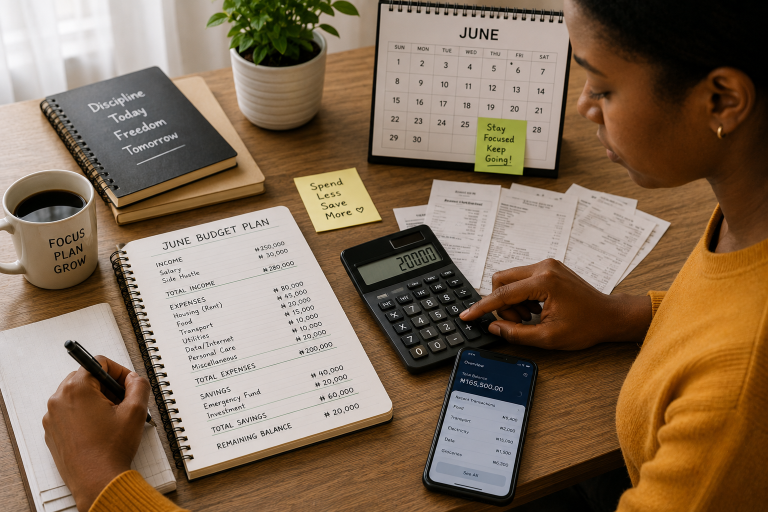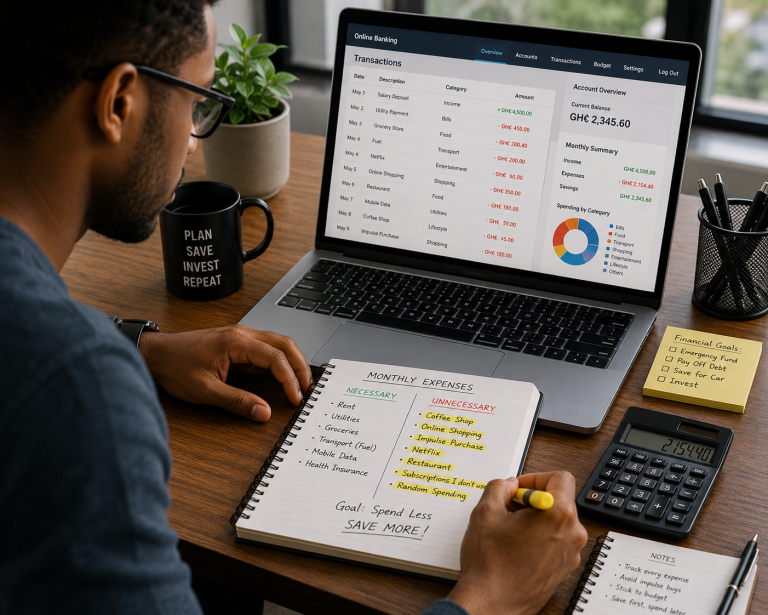

If there’s one thing most of us can agree on, it’s that managing money can be tricky. You promise yourself you’ll track your spending, then suddenly — your paycheck disappears, and you’re wondering where it all went. That’s where money tracking tools come in.
Whether you’re trying to save more, spend less, or just figure out where your cash keeps slipping away, having the right tools can make the process a whole lot easier — and way less stressful.
Tracking your money isn’t about restriction. It’s about awareness. The more you know where your money goes, the more control you have over it. And the good news? You don’t have to be a financial expert to get it right.
With the rise of digital finance apps and smart budgeting platforms, you can now manage your entire financial life from your phone. Let’s walk through the best money tracking tools that can help you stay on top of your budget, build better habits, and finally feel confident about your money.
Why You Need Money Tracking Tools in the First Place
Before we dive into the tools, let’s be honest — money tracking isn’t the most exciting task. But it’s one of the most important.
Without using money tracking tools, you’re basically driving blind. You might think you’re doing fine until an unexpected bill or an impulse buy throws your balance off track.
When you track your money, you start noticing patterns — how those small daily purchases add up, how subscriptions silently drain your account, and how much you’re actually saving versus spending.
Here’s why using the right money tracking tools matters:
- You see where your money goes in real time.
- You spot wasteful habits before they become problems.
- You plan better for bills, savings, and goals.
- You reduce financial stress because you always know your numbers.
It’s not about perfection. It’s about progress — and these tools are designed to make that progress easy.
1. Mint — The All-in-One Money Tracker
When people talk about money tracking tools, Mint is often the first name that pops up. It’s been around for years and continues to be one of the best for personal budgeting.
Mint connects directly to your bank accounts, credit cards, and even investment accounts. Once it’s synced, it automatically tracks every transaction for you — no manual input needed.
Here’s what makes Mint a game-changer:
- It categorizes your expenses automatically.
- It lets you set budgets for each spending category.
- You get real-time alerts when you’re close to overspending.
- It gives you a full snapshot of your net worth and credit score.
Mint is perfect for beginners who want a clean, easy-to-use interface and don’t want to spend hours managing spreadsheets. It’s free, powerful, and accessible on both mobile and desktop.
The best part? You start to see your financial life clearly. You can’t change what you don’t track — and Mint makes tracking effortless.
2. YNAB (You Need A Budget) — The Mindful Money Manager
If Mint is about awareness, YNAB is about intentionality. Among all money tracking tools, YNAB stands out because it teaches you to give every dollar a job.
Instead of just tracking where your money goes, YNAB helps you plan where it should go — before you even spend it.
Key benefits of YNAB:
- You assign every dollar to a specific purpose — bills, savings, fun, or emergencies.
- It encourages you to plan ahead instead of reacting to spending.
- It provides goal tracking and reports that show progress over time.
- It promotes financial awareness through education and habit-building.
It’s not just an app; it’s a philosophy. YNAB teaches you to break the paycheck-to-paycheck cycle and feel in control.
The downside? It’s not free — but the $14.99/month (or $99/year) fee is well worth it for people serious about improving their money mindset.
With YNAB, your money finally starts working for you, not against you.
3. PocketGuard — Simple, Smart, and Straightforward
If you’ve ever looked at your account balance and thought, “Can I actually afford this?” — PocketGuard is the money tracking tool you need.
This app shows you exactly how much “spendable” money you have after accounting for bills, savings, and goals. The feature is called In My Pocket — and it’s genius.
Here’s what makes PocketGuard special:
- It connects to your accounts and tracks your spending automatically.
- It calculates how much money is safe to spend daily or weekly.
- It helps you find savings opportunities by analyzing recurring payments.
- You can create goals for paying off debt or saving for something big.
PocketGuard takes the guesswork out of everyday money management. You don’t need to be a math whiz — just check your app and spend confidently.
If you often overspend without realizing it, this tool can help you take control in the most user-friendly way.
4. Goodbudget — For the Envelope Lovers
Remember the old-school envelope budgeting system, where you’d divide your cash into envelopes labeled “groceries,” “rent,” “entertainment,” etc.? Goodbudget is the digital version of that classic approach.
It’s one of the most intuitive money tracking tools if you prefer planning your spending ahead of time.
With Goodbudget, you allocate money into virtual envelopes. Each envelope represents a category, and once it’s empty — that’s it, no overspending.
Why people love it:
- It helps you visualize where your money goes before you spend.
- It’s great for couples or families who want to budget together.
- It works even if you don’t link your bank accounts.
- You can sync across multiple devices to keep everyone on track.
Goodbudget promotes mindful spending — every purchase becomes a decision, not an impulse.
If you’re trying to get better at sticking to limits, this tool keeps you accountable in a simple, old-fashioned way — but with a modern twist.
5. Personal Capital — The Wealth Tracker
If your financial picture includes investments, retirement accounts, or long-term goals, Personal Capital (now called Empower) is one of the most advanced money tracking tools out there.
It goes beyond basic budgeting. Yes, it tracks your expenses — but it also shows how your investments are performing, how close you are to retirement goals, and what your net worth looks like in real time.
Here’s why many financially savvy users love it:
- It tracks both spending and investing in one dashboard.
- It gives insightful financial reports that reveal trends.
- It offers retirement planning tools that forecast your future.
- It’s completely free to use for basic features.
If you’re serious about building wealth, not just tracking expenses, Personal Capital is your go-to. It’s a clear step up from simple budgeting apps — helping you think like an investor, not just a spender.
6. EveryDollar — Budgeting Made Easy
EveryDollar is one of the most beginner-friendly money tracking tools you’ll ever use. Created by Dave Ramsey’s team, it follows the zero-based budgeting method — where every dollar you earn gets assigned to a specific category.
It’s fast, easy to navigate, and ideal for people who want to track their budget without feeling overwhelmed.
Why people love EveryDollar:
- You can create a custom monthly budget in minutes.
- It keeps your spending organized by category.
- It helps you see where you can cut back or save.
- It offers goal tracking and debt payoff planning.
EveryDollar has both free and paid versions. The paid version connects to your bank accounts for automatic syncing, saving you time.
This app is perfect if you’re new to budgeting and want a straightforward tool that helps you stay focused and consistent.
7. Spendee — A Stylish Way to Track Money
If you want your money app to be as visually appealing as it is functional, Spendee is your match. It’s one of the most beautifully designed money tracking tools — simple, colorful, and easy to love.
With Spendee, you can connect your accounts or enter expenses manually. The colorful charts make it fun to see how your spending breaks down.
Top features include:
- Shared wallets for family or group budgeting.
- Expense tracking by category with visuals that make sense instantly.
- Automatic syncing with your bank.
- Cash tracking, if you still use physical money often.
What makes Spendee stand out is how enjoyable it makes budgeting feel. When your money tracker looks good, you’ll actually want to use it — and consistency is the real key to financial success.
8. Simplifi by Quicken — Smart and Modern
Simplifi is Quicken’s modern take on money management. It’s sleek, detailed, and designed for the digital generation who want their money tracking tools to be both smart and automatic.
Simplifi gives you a clear overview of your finances — what’s coming in, what’s going out, and what’s left to spend.
Here’s what users love:
- It automatically categorizes transactions.
- It predicts future balances based on spending patterns.
- It shows custom reports on cash flow, trends, and goals.
- You can track subscriptions and spot unwanted charges easily.
Simplifi isn’t free, but at around $3/month, it’s a great investment for the amount of insight it gives. It’s like having a financial assistant that quietly organizes everything for you.
9. Excel and Google Sheets — The Classic DIY Tools
Not into apps? No problem. Spreadsheets are still some of the most flexible money tracking tools ever made.
Using Excel or Google Sheets lets you fully customize how you track your finances — from simple expense lists to detailed budget dashboards.
Benefits of going old-school:
- Full control over every detail of your budget.
- No app subscriptions or data-sharing concerns.
- You can create your own formulas and charts to visualize spending.
- Templates are easy to find online, or you can design your own.
If you enjoy numbers and want total control, spreadsheets let you dig deep into your financial habits. And the best part? It’s completely free.
10. Wallet by BudgetBakers — A Global Favorite
Wallet by BudgetBakers is another powerful money tracking tool that combines automation with flexibility. It syncs with multiple accounts, tracks your spending, and even helps you manage different currencies — perfect if you travel or earn from multiple sources.
Why it’s worth trying:
- It links to banks in over 60 countries.
- It has detailed analytics for spending habits.
- It offers goal tracking and debt management features.
- You can share budgets with family or a partner.
Wallet’s biggest strength is its versatility. It works well for both individuals and families, offering clear insights into where your money is going and how to improve your financial health.
How to Choose the Right Money Tracking Tool for You
There’s no one-size-fits-all answer. The best money tracking tools depend on your personality and lifestyle.
Ask yourself:
- Do I want something simple or detailed?
- Do I prefer automation or manual control?
- Am I tracking spending, saving, or investing?
- Will I share my budget with someone else?
If you want automation, go with Mint, Simplifi, or PocketGuard.
If you prefer hands-on planning, try YNAB or Goodbudget.
If you want investment tracking, Personal Capital is unbeatable.
If you love custom control, spreadsheets never fail.
Whatever you choose, the goal is the same — to know your money better and manage it smarter.
Why Money Tracking Tools Actually Work
At first, it might feel tedious to check your spending or open another app. But within a few weeks, something amazing happens — you start seeing progress.
When you use money tracking tools consistently, you become more intentional with every decision. You think twice before buying. You notice how little changes add up. You feel in charge again.
And that feeling — confidence — is priceless.
Money tracking isn’t about controlling your life; it’s about designing your freedom.
Final Thoughts
Managing money doesn’t have to be complicated or stressful. With the right money tracking tools, you can finally take control of your finances without feeling overwhelmed.
These apps and systems are like having a personal money coach in your pocket — one that helps you make smarter choices, stay consistent, and reach your goals faster.
The key is to start. Pick one tool, set it up, and commit to using it for a month. Watch how your awareness — and your confidence — start to grow.
When you know where your money goes, you gain the power to decide where it should go next.
And that’s how you truly track money smarter.