
Let’s start with something simple. Every day, you are surrounded by data.
Your phone tracks steps. Social media shows analytics. Businesses track sales. Governments study trends. Even your streaming apps suggest movies based on data.
But here’s the question. Do you understand what that data really means?
That’s where data literacy comes in.
Data literacy is the ability to read, understand, analyze, and communicate data in a meaningful way. It’s not just about spreadsheets. It’s about making sense of information so you can make better decisions.
In the past, only analysts and scientists needed strong data literacy. Today, almost everyone does.
According to World Economic Forum, data skills are among the fastest growing skills needed for future jobs. That means data literacy is no longer optional. It’s becoming essential.
The future belongs to people who can understand information clearly.
Why Data Literacy Is No Longer Just for Tech Experts
There was a time when data literacy seemed like something only engineers or statisticians needed. That’s not true anymore.
Marketing teams rely on analytics dashboards. HR teams study hiring metrics. Teachers analyze student performance data. Healthcare professionals review patient statistics.
Organizations like OECD have highlighted that digital skills, including data literacy, are critical for modern economies.
Data is everywhere. And when something is everywhere, understanding it becomes powerful.
If you can interpret numbers correctly, you reduce guesswork. You make decisions based on evidence instead of emotion.
That shift changes outcomes.
Data Literacy and Career Growth
Let’s talk about your career.
Employers increasingly value candidates who demonstrate data literacy. You don’t have to be a data scientist. But you should be comfortable reading charts, spotting trends, and asking smart questions.
Reports from LinkedIn consistently rank data-related skills among the most in-demand competencies.
When you improve your data literacy, you stand out.
Imagine two employees. One gives opinions. The other supports ideas with data. Which one earns more trust?
Data literacy builds credibility. It shows that your decisions are thoughtful and informed.
In competitive job markets, that advantage matters.
Better Decision Making Through Data Literacy
We all make decisions daily. Some are small. Some are life-changing.
Data literacy improves decision making because it helps you evaluate information carefully. Instead of reacting to headlines or trends blindly, you look deeper.
For example, understanding percentages and context prevents misinterpretation. A 50 percent increase sounds huge. But if the base number was small, the impact might not be dramatic.
Research often shared by Harvard Business School emphasizes that data-driven decision making improves business performance.
Data literacy protects you from misinformation. It allows you to question sources. It helps you identify bias.
In a world full of information, that skill is priceless.
Data Literacy in Everyday Life
Data literacy is not just about corporate dashboards.
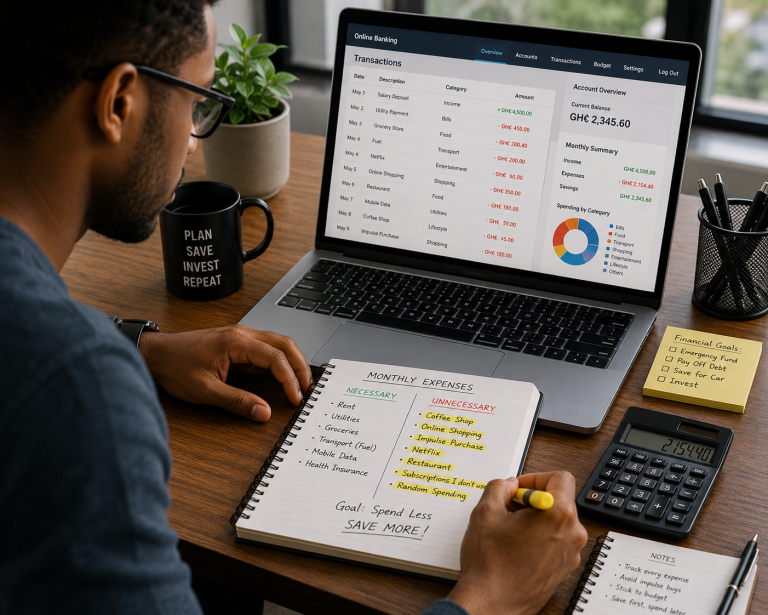
Think about personal finance. When you review bank statements or investment reports, you rely on data literacy to understand trends.
Think about health. Interpreting medical test results requires basic data understanding.
Even when you read news articles citing statistics, data literacy helps you determine accuracy.
Organizations like Pew Research Center often publish surveys filled with data. Without data literacy, readers might misunderstand conclusions.
Improving data literacy empowers you in daily life. It strengthens confidence.
When you understand numbers, you feel less overwhelmed.
The Role of Data Literacy in Business Success
Businesses that prioritize data literacy perform better.
Companies collect massive amounts of information. Customer behavior, website traffic, sales numbers, supply chain metrics.
But collecting data is useless without understanding it.
Firms like Google have built cultures around data-driven thinking. Decisions are tested. Hypotheses are measured.
Data literacy ensures employees across departments can interpret findings accurately.
When teams understand metrics clearly, they collaborate more effectively.
Data literacy reduces costly mistakes.
Data Literacy and Critical Thinking
Data literacy strengthens critical thinking.
Numbers can be manipulated. Graphs can mislead. Context can be hidden.
When you develop strong data literacy, you learn to ask deeper questions. Where did this data come from? What sample size was used? What assumptions are behind these conclusions?
Universities like Stanford University emphasize critical thinking skills alongside quantitative analysis.
Data literacy trains your brain to move beyond surface-level interpretation.
You stop accepting numbers at face value. You analyze patterns and logic.
That mindset benefits every area of life.
The Future Workplace and Data Literacy
Automation and artificial intelligence are changing industries rapidly.
Technologies developed by companies like Microsoft and IBM rely heavily on data.
As machines handle routine tasks, human workers will need stronger analytical skills. Data literacy will help employees collaborate with AI systems effectively.
Future roles will require interpreting dashboards, evaluating performance metrics, and translating insights into action.
Without data literacy, adapting to technological shifts becomes harder.
With data literacy, you stay relevant.
Education and Data Literacy
Schools are beginning to recognize the importance of data literacy.
Modern education frameworks increasingly include data interpretation in math and science curricula. Students are taught to analyze charts, graphs, and statistical claims.
Organizations like UNESCO advocate for digital skills development worldwide.
Teaching data literacy early prepares young people for a data-driven world.
But learning does not stop after school.
Adults can build data literacy through online courses, practice, and curiosity.
Common Barriers to Data Literacy
Many people believe data literacy is too complicated.
They think it requires advanced mathematics or coding skills.
That belief creates hesitation.
In reality, basic data literacy starts with understanding simple concepts like averages, percentages, and trends.
Another barrier is fear of numbers. Some people carry negative experiences from school math classes.
But data literacy is not about solving complex equations. It is about understanding information clearly.
When you approach it step by step, it becomes manageable.
How to Improve Your Data Literacy
Improving data literacy begins with awareness.
Start by reading reports carefully. Pay attention to how statistics are presented. Explore simple data visualization tools.
Platforms like Tableau make data interpretation accessible through visual dashboards.
Practice interpreting graphs in news articles. Compare multiple sources. Ask questions about context.
Over time, patterns become easier to recognize.
Data literacy grows with consistent exposure.
Data Literacy and Ethical Responsibility
With knowledge comes responsibility.
Data literacy includes understanding ethical considerations. Data can influence public opinion, shape policies, and impact lives.
Being data literate means recognizing when data is used responsibly and when it is manipulated.
Responsible use of data protects trust.
As more decisions rely on data, ethical awareness becomes part of data literacy.
Emotional Confidence Through Data Literacy
There is something empowering about understanding complex information.
When you improve your data literacy, you feel less intimidated by reports, dashboards, and analytics.
Confidence grows.
Instead of avoiding data conversations, you participate actively.
That confidence can open doors to leadership roles and new opportunities.
Why Data Literacy Will Shape the Future
The future will generate more data than ever before.
Smart cities, digital healthcare, remote work systems, online education platforms. All rely on data.
Individuals who build strong data literacy will navigate this future with clarity.
They will adapt faster. Decide smarter. Communicate better.
Data literacy is not just a technical skill. It is a life skill.
Final Thoughts
The world is not slowing down. Information will only increase.
Data literacy gives you the ability to filter noise, recognize patterns, and make thoughtful decisions.
It supports career growth. It strengthens critical thinking. It protects you from misinformation.
Most importantly, data literacy gives you control.