
When most people hear the term financial independence, the first thing that comes to mind is money—lots of it. They imagine a big bank account, a nice house, a luxury car, and maybe even early retirement somewhere tropical. But the truth is, financial independence goes much deeper than that. It’s not just about having money—it’s about having control. It’s about freedom, security, and the ability to live your life on your own terms without constant financial stress hanging over your head.
Financial independence isn’t about being rich; it’s about being free. Free from debt, free from paycheck-to-paycheck anxiety, free from the pressure of working a job you hate just to survive. It’s about creating a life where money becomes a tool—not a trap. And that’s something almost everyone can work toward, no matter their income level or background.
In this article, we’ll unpack what financial independence really means, why it’s more than just accumulating money, and how you can start moving toward it even if you’re still early in your financial journey. We’ll keep things simple, relatable, and practical—because financial independence is possible for real people with real challenges, not just for millionaires.
Understanding What Financial Independence Really Means
At its core, financial independence means you have enough income or assets to cover your living expenses without relying on a paycheck. But in reality, it’s much more than a numbers game—it’s a mindset shift. It’s the moment you realize money isn’t the goal; freedom is.
When you’re financially independent, you get to make decisions based on what you truly want, not what you can barely afford. You have the power to walk away from toxic work environments, say yes to travel, spend more time with family, or start a business you love. It’s not about escaping work entirely—it’s about choosing the kind of work that aligns with your values and passions.
You see, money itself isn’t freedom. Money is only useful when it gives you options. True financial independence means being in control of your time, emotions, and life choices. It means you’re not enslaved by debt or financial fear. And that’s something that requires more than just income—it requires intention, discipline, and understanding your relationship with money.
Why Financial Independence Is About Freedom, Not Fortune
Let’s clear up one major misconception: financial independence isn’t just for the rich. You don’t need millions in your account to be financially free—you need clarity, consistency, and control. You can earn an average salary and still build financial independence if you manage your money wisely and avoid lifestyle traps.
When you think about it, what most people really want isn’t wealth—it’s freedom. The freedom to choose where to live, when to work, and what kind of life to lead. The freedom to spend time with loved ones, travel, rest, or pursue creative passions.
Imagine waking up knowing that your bills are covered, your savings are growing, and you don’t have to panic about unexpected expenses. That peace of mind—that sense of stability—is the essence of financial independence.
Of course, money plays a role. But it’s the purpose behind the money that makes the difference. When you stop chasing money for status and start building it for freedom, your entire financial journey feels lighter and more meaningful.
The Emotional Side of Financial Independence
Many people talk about the numbers—income, savings rate, investments—but not enough talk about the feelings behind financial independence. Because the truth is, money is deeply emotional. It’s tied to fear, security, self-worth, and even identity.
Financial stress is one of the biggest causes of anxiety in the world. It affects sleep, relationships, and even physical health. When you’re constantly worrying about how to pay the next bill or deal with debt, it’s hard to feel at peace.
That’s why achieving financial independence is not just about finances—it’s about mental health. It’s about reclaiming your emotional balance and reducing money-related stress. It’s about being able to breathe easier because you know you’re not one emergency away from crisis.
True financial independence gives you emotional freedom. You stop making decisions out of fear or scarcity. You start focusing on what actually matters—your health, happiness, and personal growth. You realize that money isn’t the end goal—it’s just the fuel that powers your purpose.
Building Financial Independence Step by Step
Let’s make this clear: financial independence doesn’t happen overnight. It’s a gradual process that starts with small, consistent choices. And those choices compound over time to create something powerful.
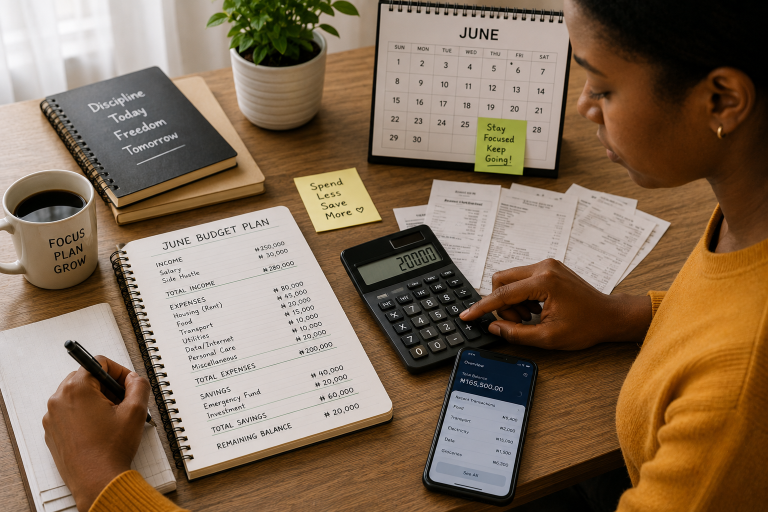
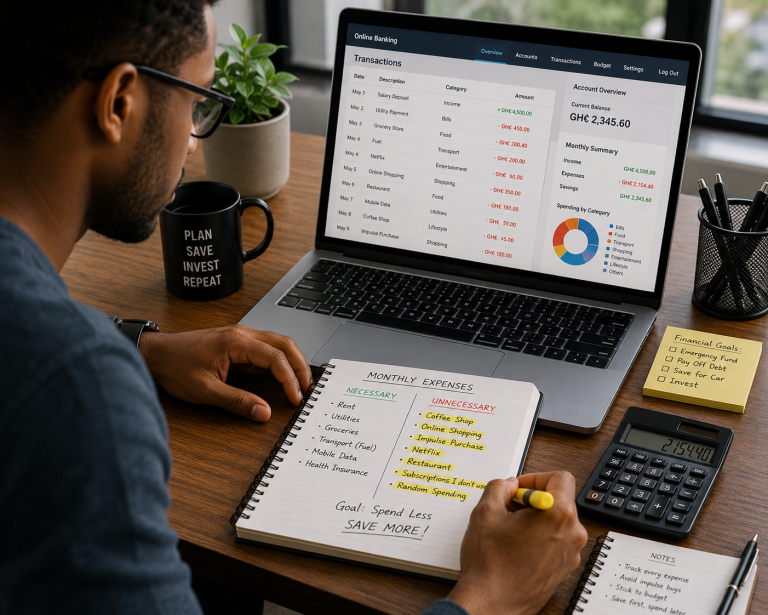
It begins with awareness. You need to understand where your money is going. Most people don’t actually know what they spend monthly—they just react to bills as they come. But awareness is the foundation of control. Track your spending, set goals, and understand your financial habits.
Next comes discipline. Learn to live below your means—not because you’re depriving yourself, but because you’re prioritizing your future freedom. Saving and investing aren’t punishments; they’re acts of empowerment. Each dollar you save is one step closer to independence.
Debt management is another key piece. Debt can be one of the biggest obstacles to financial freedom because it locks you into obligations that limit your options. Focus on paying off high-interest debts first and avoid taking on new ones unless they’re truly necessary.
Then, make your money work for you. This is where investing comes in. Whether it’s through mutual funds, real estate, or retirement accounts, the goal is to create passive income streams that can eventually cover your living expenses. That’s when financial independence becomes real—you’re no longer trading time for money.
But even as you build wealth, remember that independence is about balance. You can save aggressively and still enjoy life along the way. The key is to spend intentionally—on experiences, growth, and people who matter, not on fleeting status symbols.
The Mindset Shift Behind Financial Independence
To truly achieve financial independence, you need to change the way you think about money. Most people are trapped in what’s called the “earn-spend-repeat” cycle. They work hard, get paid, spend everything (or more), and start over again every month. It’s a hamster wheel that never stops turning.
Financial independence requires breaking that cycle. It’s about delayed gratification—choosing short-term discipline for long-term peace. But it’s also about redefining what “enough” means to you. Because no matter how much you earn, if you constantly feel like it’s not enough, you’ll never feel free.
Start asking yourself: how much is enough to live comfortably, happily, and purposefully? When you define that, you can set clearer goals and stop chasing endless accumulation. That’s when financial independence starts to feel attainable instead of abstract.
Also, understand that independence isn’t isolation. It’s not about cutting yourself off from work, people, or purpose. It’s about gaining the power to choose how you want to engage with them.
When you stop seeing money as a measure of success and start seeing it as a tool for freedom, you change your entire life approach. You become less reactive, more intentional, and much more confident in your choices.
Financial Independence and Purpose
Here’s the part that often gets overlooked: financial independence isn’t the end goal—it’s a means to something greater. Once you have financial freedom, what will you do with it?
Many people think that once they’re financially independent, they’ll finally be happy. But happiness doesn’t automatically come from money—it comes from purpose. When you no longer have to work for survival, you get to work for meaning. You can pursue passions, volunteer, mentor others, or build something that creates impact.
That’s why it’s important to think beyond the money. What kind of life are you trying to create? What kind of person do you want to be? Financial independence simply gives you the time and mental space to explore those questions.
In other words, financial independence is freedom to be yourself fully. You’re not just surviving—you’re living intentionally.
Why Many People Struggle to Reach Financial Independence
Even though the idea of financial independence is simple, the journey isn’t always easy. Society makes it hard. We live in a culture of comparison and instant gratification. We see other people’s lifestyles on social media and feel pressure to keep up, even when it means going into debt.
Many people end up spending money they don’t have to impress people they don’t even know. That’s not freedom—that’s financial slavery.
The other reason people struggle is lack of financial education. Schools rarely teach personal finance, budgeting, or investing. As a result, many adults enter the real world with good degrees but poor money habits. They know how to earn, but not how to grow or protect their income.
That’s why educating yourself about money management is crucial. Read, listen to podcasts, follow credible finance experts. Knowledge is the first step toward power.
And remember, financial independence isn’t a race. It’s okay if your progress feels slow. What matters is consistency. Even small habits—like saving a little each month, avoiding debt, or investing early—can compound into major results over time.
The Emotional Rewards of Financial Independence
When you reach financial independence, the rewards aren’t just financial—they’re emotional, psychological, and even spiritual. You gain confidence knowing you can handle whatever comes your way. You stop making decisions from fear. You stop staying in situations—jobs, relationships, environments—just because you “can’t afford to leave.”
You also become more generous. When your own financial needs are met, you’re in a better position to help others. You can support family, contribute to causes, or invest in your community without worrying about your own survival.
And perhaps the biggest gift is time. Time to rest. Time to explore. Time to live. Financial independence gives you back your most valuable resource.
The Bottom Line
Financial independence isn’t just about money—it’s about meaning. It’s about building a life that reflects your values, not your financial fears. It’s about using money as a bridge to freedom, not as a cage.
When you’re financially independent, you don’t need to prove anything to anyone. You’re not chasing wealth—you’re creating stability and choice. You’re in charge of your time, your energy, and your future.
So, if you’re still in the early stages of your financial journey, don’t get discouraged. Every budget tweak, every dollar saved, every debt paid off brings you closer. The journey itself teaches you discipline, awareness, and gratitude.
Because at the end of the day, financial independence isn’t measured by how much you have—it’s measured by how free you feel. And freedom, in all its forms, will always be the real wealth.