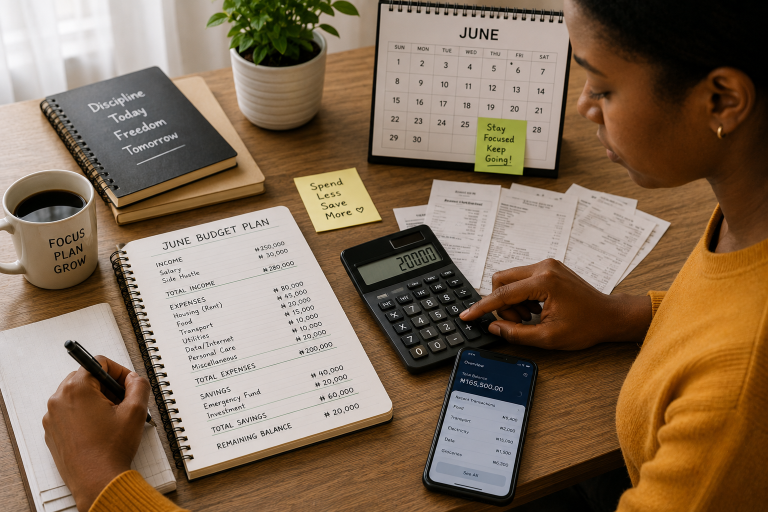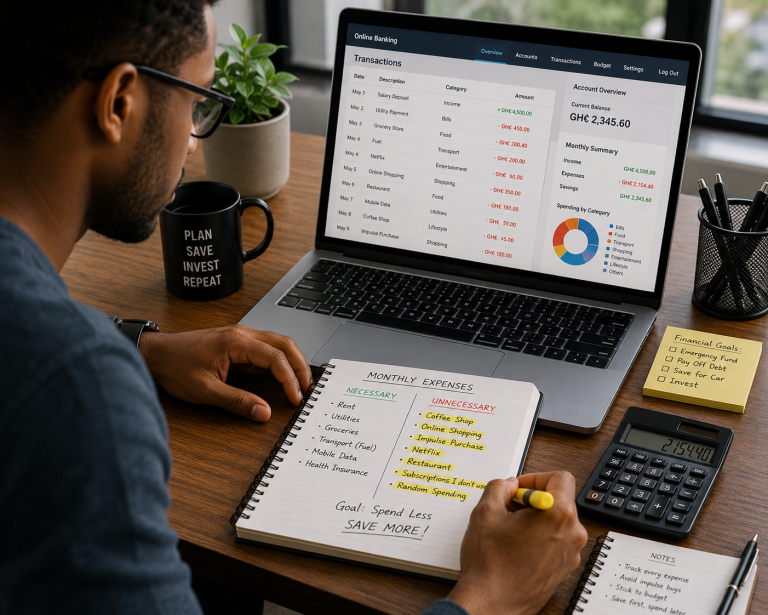

The moment you start making more money feels exciting. It might come from a new job, a promotion, a growing business, freelancing success, or even side income that suddenly takes off. At first, everything feels lighter. Bills don’t scare you as much. Small wants become easy purchases. Life feels like it’s finally opening up.
But here’s the truth many people don’t talk about. Making more money does not automatically mean you are good at handling money. In fact, many people struggle more financially after their income increases than when they were earning less.
This article is about real life. It’s about what actually happens when money increases and how to handle money in a way that brings peace instead of pressure. We’ll talk about habits, emotions, lifestyle changes, mistakes people quietly make, and how to avoid them without feeling restricted. Everything here is simple, honest, and practical.
Why Handling Money Becomes Harder When Income Grows
It sounds strange, but handling money often becomes harder when you earn more. When income is low, choices are limited. You know exactly what you can and cannot afford. But when money increases, options multiply.
Suddenly, you can afford more comfort, more fun, more upgrades, and more responsibilities. Each choice seems reasonable on its own. The problem is that many small upgrades can quietly swallow big income increases.
Research from the National Bureau of Economic Research shows that lifestyle inflation is one of the main reasons people remain financially stressed even as their income grows. This confirms that handling money is more about behavior than income level.
The Emotional Shift That Comes With More Money
When you start making more money, your emotions around money change. You may feel proud, relieved, or even powerful. These feelings are normal. But they can also lead to careless decisions if not managed well.
Many people subconsciously feel they “deserve” more once income increases. Better clothes, better food, better experiences all feel justified. While there is nothing wrong with enjoying your money, problems start when enjoyment replaces intention.
Handling money well requires emotional awareness. If you don’t understand why you’re spending, money will start controlling you instead of supporting you.
Why Income Growth Does Not Equal Financial Growth
Financial growth is not just about earning more. It’s about keeping more, managing better, and planning wisely. Without these, higher income only creates higher expenses.
According to a study by the Federal Reserve, a large percentage of people earning above average income still live paycheck to paycheck. This shows that handling money poorly can cancel out even strong earnings.
True financial growth happens when increased income improves your future, not just your present comfort.
The First Mistake People Make When They Earn More
One common mistake people make is adjusting their lifestyle too quickly. The moment income increases, spending increases to match it. This leaves no room for savings or security.
This habit creates financial fragility. If income drops or expenses rise suddenly, stress returns immediately. Handling money well means slowing down lifestyle changes until your finances are stable.
It’s okay to upgrade, but upgrades should follow structure, not excitement.
Understanding Lifestyle Inflation Without Fear
Lifestyle inflation sounds negative, but it doesn’t have to be. The problem isn’t improving your life. The problem is doing it without limits.
Handling money wisely means choosing upgrades intentionally. It means asking whether a new expense adds lasting value or temporary pleasure.
Psychologists explain that repeated spending on status or comfort provides short-term happiness but quickly becomes normal. This means uncontrolled upgrades stop feeling special over time, while their financial impact remains.
Why Saving Feels Harder When You Earn More
Many people think saving should be easier with higher income, but often it feels harder. This happens because expectations grow along with income.
Your brain quickly adapts to the new normal. What once felt luxurious now feels basic. This mental shift makes saving feel like sacrifice again.
Handling money requires creating systems that save automatically. When savings happen first, spending naturally adjusts.
According to Investopedia, people who automate savings are more likely to build wealth regardless of income level.
The Role of Identity in Handling Money
When income increases, identity often changes. You may start seeing yourself as someone who “has money.” This identity shift can influence spending choices.
You might feel pressure to look successful or generous. You may take on responsibilities that stretch your finances. These choices often come from identity rather than logic.
Handling money well means separating who you are from how much you earn. Money is a tool, not a definition.
How Social Pressure Increases With Income
As income rises, social pressure often increases. Friends, family, and peers may expect more from you. You may feel obligated to contribute more, spend more, or show up differently.
This pressure is subtle but powerful. It pushes people to overspend silently to meet expectations.
Learning how to handle money includes learning how to say no without guilt. Financial boundaries protect both your money and your peace.
Why Budgeting Feels Different at Higher Income
Budgeting when income is low is about survival. Budgeting when income is higher is about direction.
Many people stop budgeting once they earn more because they feel they no longer need it. This is a mistake. Without direction, money leaks.
Handling money at a higher income level means knowing where your money is going even when you don’t feel the pressure. Awareness prevents regret.
The Importance of Delayed Gratification
When you can afford something, waiting feels unnecessary. But delayed gratification is still powerful, even at higher income levels.
Waiting creates clarity. It separates true desire from impulse. Many purchases lose their appeal after time passes.
Studies from Stanford University on delayed gratification show that people who practice it tend to achieve better long-term outcomes, including financial stability.
How To Enjoy Your Money Without Losing Control
Handling money does not mean living joylessly. It means enjoying your money consciously.
Enjoyment works best when it is planned, not spontaneous. Planned enjoyment removes guilt and stress. It allows you to fully experience pleasure without fear.
People who enjoy their money intentionally often feel more satisfied than those who spend impulsively.
The Power of Aligning Spending With Values
One of the most effective ways of handling money is aligning spending with personal values. When money supports what matters to you, satisfaction increases.
If freedom matters, you save. If growth matters, you invest in learning. If family matters, you plan for security.
Research from the University of British Columbia shows that value-based spending leads to higher happiness than status-based spending.
Why Emergency Funds Matter More When You Earn More
Higher income often comes with higher obligations. Rent, loans, dependents, and expectations grow.
This makes emergency funds more important, not less. Without a safety net, one unexpected event can undo years of progress.
Handling money responsibly means preparing for uncertainty, even when things are going well.
How Debt Behaves Differently at Higher Income
Higher income makes debt easier to access. Credit limits increase. Loan approvals become easier.
This creates temptation. Debt feels manageable until it quietly grows.
Handling money requires understanding that debt reduces future freedom. Even affordable debt carries opportunity cost.
The Consumer Financial Protection Bureau notes that rising income often leads to increased consumer debt rather than financial security if not managed carefully.
Why Long-Term Thinking Separates Stability From Stress
When income rises, it’s easy to focus on now. Comfort, enjoyment, and convenience become priorities.
But handling money well requires long-term thinking. Future you depends on present decisions.
People who think long-term experience less anxiety and more control. They build options instead of obligations.
The Role of Patience in Wealth Building
Wealth is rarely built quickly. It grows quietly through consistent habits.
Handling money is not about big wins. It’s about small, repeated choices made over time.
Patience protects you from regret. It allows your income growth to compound into stability.
Why Comparison Becomes More Dangerous With More Money
When income increases, comparison often increases too. You begin comparing lifestyles, not just earnings.
Comparison distorts reality. It makes progress feel small and pressure feel big.
Handling money requires focusing on your path, not someone else’s highlight reel.
Psychological research confirms that comparison reduces satisfaction regardless of income level.
Building Confidence Instead of Financial Anxiety
Financial confidence comes from clarity, not wealth. When you know where your money is going and why, anxiety reduces.
Handling money builds confidence over time. Each wise decision reinforces trust in yourself.
This confidence is more valuable than any luxury purchase.
Teaching Yourself to Pause Before Spending
Pausing is a powerful habit. It interrupts impulse and invites intention.
Before spending, pause and ask if the purchase supports your future or just your mood.
This small habit transforms how you handle money without restricting joy.
Why Flexibility Matters as Income Grows
Handling money is not about rigid rules. Life changes, and finances must adapt.
Flexibility allows you to adjust without guilt. It keeps your system realistic and sustainable.
Rigid plans often break under pressure. Flexible systems survive.
Redefining Success Beyond Income
Income is one measure of success, but not the only one. Peace, freedom, and stability matter just as much.
Handling money well means redefining success in a way that supports your well-being.
When success feels internal, spending pressure reduces.
The Quiet Power of Contentment
Contentment protects your finances. It allows you to enjoy what you have without constant upgrades.
This doesn’t mean settling. It means appreciating progress.
People who practice contentment often save more and stress less.
Conclusion
Making more money is a blessing, but it also brings responsibility. Without intention, increased income can create new problems instead of solving old ones.
Handling money well is about awareness, patience, and alignment. It’s about building a life that feels secure, not just impressive. When you learn how to handle money as your income grows, you gain something more valuable than wealth. You gain control, peace, and freedom.
Money should support your life, not run it. When you handle money wisely, success becomes sustainable and satisfying.